
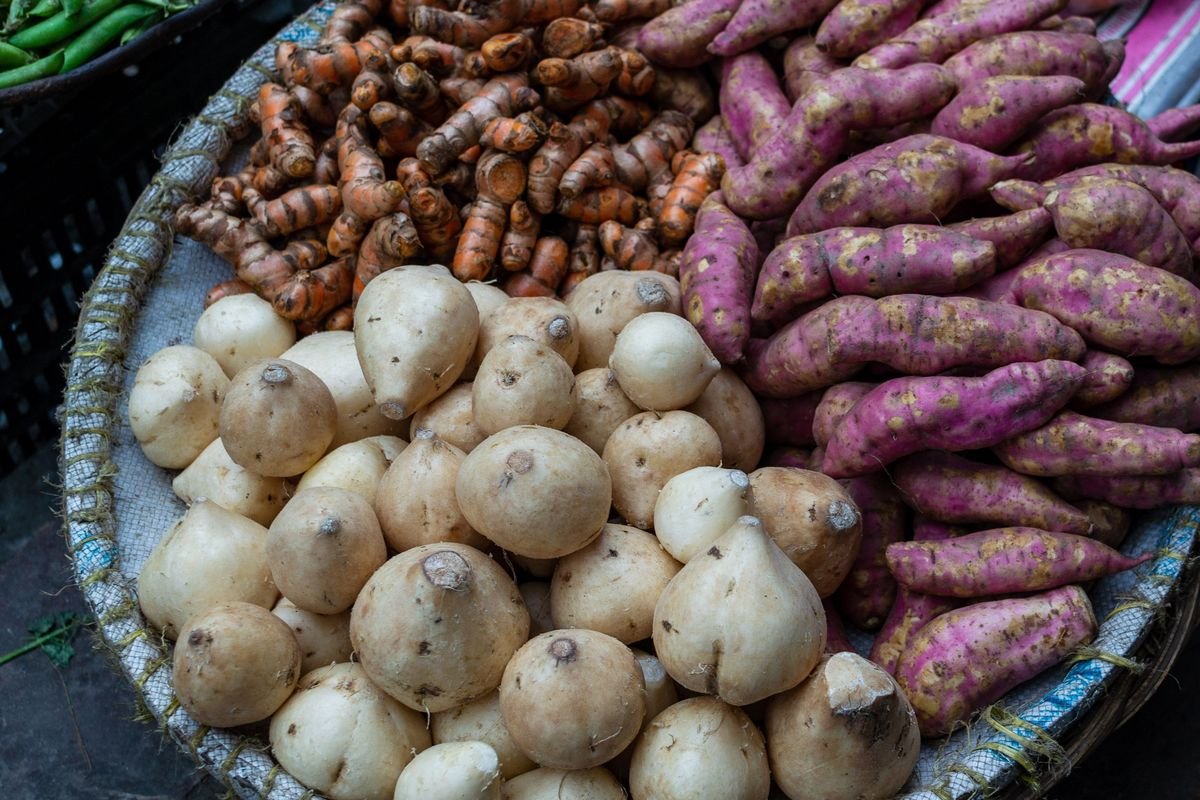
Jicama is a root vegetable that is popular in many cuisines for its crisp texture and mild sweetness. As a dog owner, you might wonder if this crunchy snack is safe to share with your furry friend. The short answer is yes, dogs can eat jicama, but only the flesh of the vegetable. The skin, leaves, and seeds are toxic and must be avoided entirely.
This article will guide you through the safety considerations, health benefits, and proper preparation of jicama for dogs. We will also cover portion sizes, potential risks, and some alternative crunchy treats. By the end, you will know exactly how to incorporate jicama into your dog’s diet safe.
What Is Jicama?
Jicama (pronounced HEE-kah-mah) is a tuberous root vegetable native to Mexico and Central America. It is also known as yam bean or Mexican turnip. The vegetable has a brown, papery skin and a white, crunchy interior that resembles a potato or water chestnut in texture. Jicama is low in calories and high in fiber, vitamin C, and antioxidants. It is often eaten raw with chili and lime or added to salads and stir-fries.
For dogs, jicama offers a satisfying crunch that can help clean teeth and freshen breath. However, only the white flesh is safe for canine consumption. The plant’s stems, leaves, seeds, and skin contain rotenone, a natural insecticide that is toxic to both humans and pets if ingested in large amounts.
Is Jicama Safe for Dogs?
Jicama is safe for dogs when only the peeled white flesh is offered. The toxic parts of the plant must be completely removed. The flesh itself is non-toxic and can be a healthy low-calorie treat.
Many dog owners successfully feed jicama as a crunchy alternative to commercial biscuits. It is particularly popular for dogs who need to lose weight or have food sensitivities. As with any new food, introduce jicama slowly and watch for any adverse reactions.
The Crunchy Flesh Is Safe and Healthy
The interior of the jicama root is packed with nutrients that can benefit your dog. It is about 90 percent water, making it hydrating and low in calories. The high fiber content supports digestive health, and the vitamin C acts as an antioxidant to boost the immune system. In small amounts, jicama is a safe and nutritious addition to your dog’s diet.
The Skin, Leaves, and Seeds Are Toxic
Rotenone is a naturally occurring compound in the jicama plant’s non-edible parts. It is used as an insecticide and piscicide. Ingesting large amounts can cause symptoms like vomiting, drooling, tremors, and even respiratory failure in severe cases. Fortunately, the concentration in the skin is low, but it is best to peel the jicama thoroughly. The seeds and leaves are more dangerous and should never be given to dogs. Always discard the skin and any green parts.
Health Benefits of Jicama for Dogs
Jicama offers several health benefits when fed in moderation:
– Digestive Health: The dietary fiber in jicama promotes regular bowel movements and helps prevent constipation. It also feeds beneficial gut bacteria.
– Weight Management: With only about 38 calories per 100 grams, jicama is a low-energy-dense treat that can satisfy your dog’s need to crunch without adding excess calories.
– Hydration: Its high water content helps keep your dog hydrated, especially on hot days or after exercise.
– Immune Support: Vitamin C is an antioxidant that helps reduce inflammation and supports the immune system. Dogs produce their own vitamin C, but extra from food can be beneficial.
– Dental Benefits: Chewing on crunchy vegetables like jicama can help scrape away plaque and tartar, promoting better oral hygiene.
Potential Risks and Precautions
While jicama is safe for most dogs, there are some risks to consider:
– Choking Hazard: Jicama is firm and can be a choking risk, especially for small dogs or those that gulp food. Always cut jicama into small, manageable pieces.
– Digestive Upset: Introducing too much fiber too quickly can cause gas, bloating, or diarrhea. Start with a small piece and see how your dog handles it.
– Allergic Reactions: Although rare, some dogs may be allergic to jicama. Symptoms include itching, hives, or gastrointestinal distress. Stop feeding if you notice any issues.
– Rotenone Poisoning: If your dog eats the skin, leaves, or seeds, contact your veterinarian immediately. Symptoms usually appear within a few hours and require prompt treatment.
How to Prepare Jicama for Your Dog
Follow these steps to safely prepare jicama for your dog:
1. Choose a fresh jicama that is firm and free of blemishes. Wash the outside thoroughly to remove dirt.
2. Using a vegetable peeler or knife, remove all of the brown skin. Be careful to remove any greenish areas.
3. Slice the white flesh into sticks or small cubes. For small dogs, cut pieces no larger than a pea. For medium to large dogs, bite-size chunks are fine.
4. Serve raw for maximum crunch. You can also lightly steam or boil jicama to soften it, but avoid adding salt, oil, or seasonings.
5. Store any unused peeled jicama in an airtight container in the refrigerator for up to three days.
How Much Jicama Can Dogs Eat?
As a general rule, treats should make up no more than 10 percent of your dog’s daily calorie intake. For a small dog (10 pounds or less), one or two small sticks per day is plenty. For a medium dog (20-50 pounds), a few cubes are fine. For large breeds, up to a handful of chunks can be offered.
Always start with a small piece to test tolerance. If your dog handles it well, you can gradually increase the amount. Remember that jicama is a treat, not a meal replacement. Too much can lead to loose stools.
Alternatives to Jicama
If jicama is not available or your dog does not like it, other crunchy vegetables are also safe:
– Carrots: Low-calorie, rich in beta-carotene, and great for teeth.
– Cucumbers: Very hydrating and low in calories. Remove the skin if waxed.
– Green Beans: Plain, fresh, or frozen green beans are a healthy snack.
– Celery: Provides crunch and fiber, but cut into small pieces to avoid choking.
– Apple Slices: Remove seeds and core. Apples are sweet and crunchy.
– Pumpkin (raw in small amounts): Good for digestion, but should be cooked or pureed for easier eating.
Always introduce any new food slowly and consult your veterinarian if you have concerns about your dog’s diet.
Frequently Asked Questions
Q: Can dogs eat jicama skin? No, the skin contains rotenone and should be removed before feeding.
Q: Is jicama good for diabetic dogs? Jicama has a low glycemic index and is high in fiber, which helps regulate blood sugar. However, consult your vet before adding any new food to a diabetic dog’s diet.
Q: Can puppies eat jicama? Yes, but in very small pieces to prevent choking. Always supervise your puppy when offering new treats.
Q: Does jicama help with dog breath? The crunchy texture can help mechanically clean teeth, which may reduce bad breath. However, it is not a substitute for regular dental care.
Q: Can dogs eat cooked jicama? Yes, plain cooked jicama is safe, but avoid boiling it in seasoned water or adding any spices.