
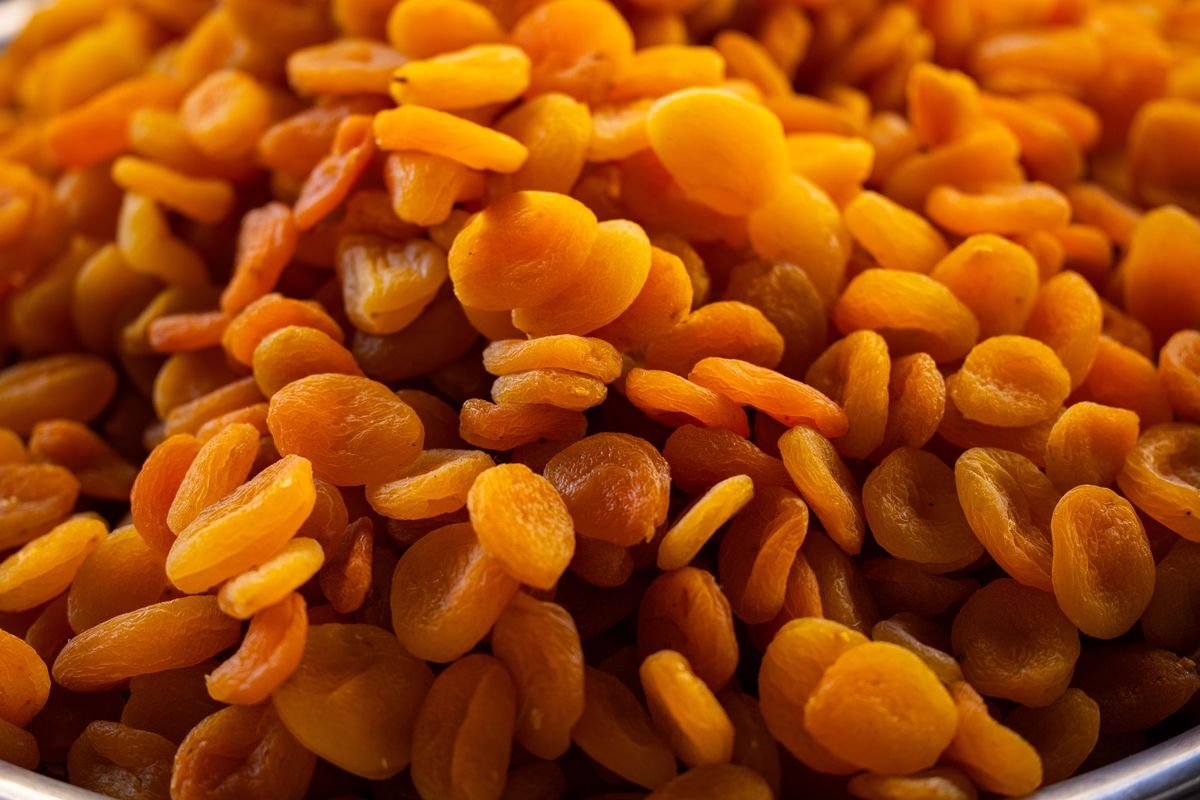
Dried apricots are a popular, sweet snack for humans, but can dogs have dried apricots safely? The short answer is yes, in very small amounts and with careful preparation. However, there are important precautions to consider, including pit removal, sugar content, and potential toxicity. This article covers everything you need to know about feeding dried apricots to your dog, from possible health benefits to risks and safe serving guidelines.
Are Dried Apricots Safe for Dogs?
Plain, unsweetened dried apricots without pits are generally safe for dogs in tiny quantities. However, they are not a natural part of a dog’s diet and should only be offered as an occasional treat. The main concerns are the pit, added sugars, and the concentrated sugar and fiber content. If you choose to share, always remove the pit first and opt for unsulfured, no-sugar-added varieties.
Nutritional Profile of Dried Apricots
Dried apricots are rich in vitamins A and C, potassium, iron, and dietary fiber. Vitamin A supports vision and immune function, while potassium helps maintain proper nerve and muscle function. In moderation, these nutrients can complement a balanced diet. But because drying concentrates the natural sugars and calories, even a small piece of dried apricot has more sugar than its fresh counterpart.
Potential Risks of Dried Apricots
The biggest risk is the apricot pit, which contains amygdalin, a compound that can release cyanide when chewed or broken down. Pits also pose a choking hazard and can cause intestinal blockages. Commercially dried apricots may contain added sugar, preservatives like sulfur dioxide (which can cause allergic reactions in sensitive dogs), or other additives. Too much dried apricot can lead to digestive upset, diarrhea, or even pancreatitis due to high sugar and fat content if combined with other foods.
Health Benefits of Dried Apricots for Dogs
When fed sparingly, dried apricots can offer some health benefits. The fiber aids digestion and can help with mild constipation. Vitamin C acts as an antioxidant, reducing inflammation and supporting immune health. Potassium helps regulate fluid balance and heart function. However, these benefits are minimal compared to a complete, balanced dog food. Think of dried apricots as a small, nutritious bonus rather than a health supplement.
How to Feed Dried Apricots Safely
Safety starts with selecting the right product. Choose dried apricots that are unsweetened, unsulfured, and free of added preservatives. Always remove the pit completely before offering any portion to your dog. Cut the dried fruit into small, bite-sized pieces to prevent choking. Start with a tiny piece (like half a dried apricot for a medium-sized dog) and monitor your dog for any adverse reactions.
Serving Size: How Much Is Too Much?
Dried apricots should be no more than 10% of your dog’s daily caloric intake, and ideally much less. For a small dog (under 20 lbs), a single small piece once or twice a week is sufficient. Medium dogs (20-50 lbs) can have one full dried apricot (without pit) per week. Large dogs (over 50 lbs) might tolerate up to two dried apricots per week, but less is always better. Overfeeding can cause digestive issues or weight gain.
Preparation Tips
Rinse store-bought dried apricots to remove any surface sulfur or sugar. Slice the fruit into small cubes or strips. You can mix it with your dog’s regular food as a taste topper or use it as a training reward. Never feed dried apricots that have been cooked with xylitol (a sweetener toxic to dogs) or other artificial sweeteners. Also avoid any apricot products like jams or preserves that contain added sugar.
Signs of Apricot Poisoning in Dogs
If your dog eats an apricot pit or a large amount of dried apricots, watch for signs of cyanide poisoning: dilated pupils, difficulty breathing, red gums, vomiting, diarrhea, lethargy, or seizures. Digestive upset from excess sugar or fiber may cause loose stools, gas, or stomach discomfort. If you notice any of these symptoms, contact your veterinarian or an emergency pet poison hotline immediately.
Healthy Alternatives to Dried Apricots
If you are unsure about dried apricots, many other fruits are safer and lower in sugar. Fresh apricots (pitted and skinless) are a better option because they contain less concentrated sugar. Blueberries, apple slices (no seeds), bananas, and watermelon (seedless) are excellent treats that dogs often enjoy. Always introduce new foods gradually and in moderation.
Conclusion
So, can dogs have dried apricots? Yes, but with caution. Plain, pitted, unsweetened dried apricots can be a rare treat for healthy dogs. They provide some vitamins and fiber, but the risks of pits, high sugar, and additives mean they should not be a regular part of your dog’s diet. When in doubt, stick to dog-safe fruits like fresh berries or apple slices. Always consult your veterinarian before introducing any new human food, especially if your dog has health conditions like diabetes or obesity.