
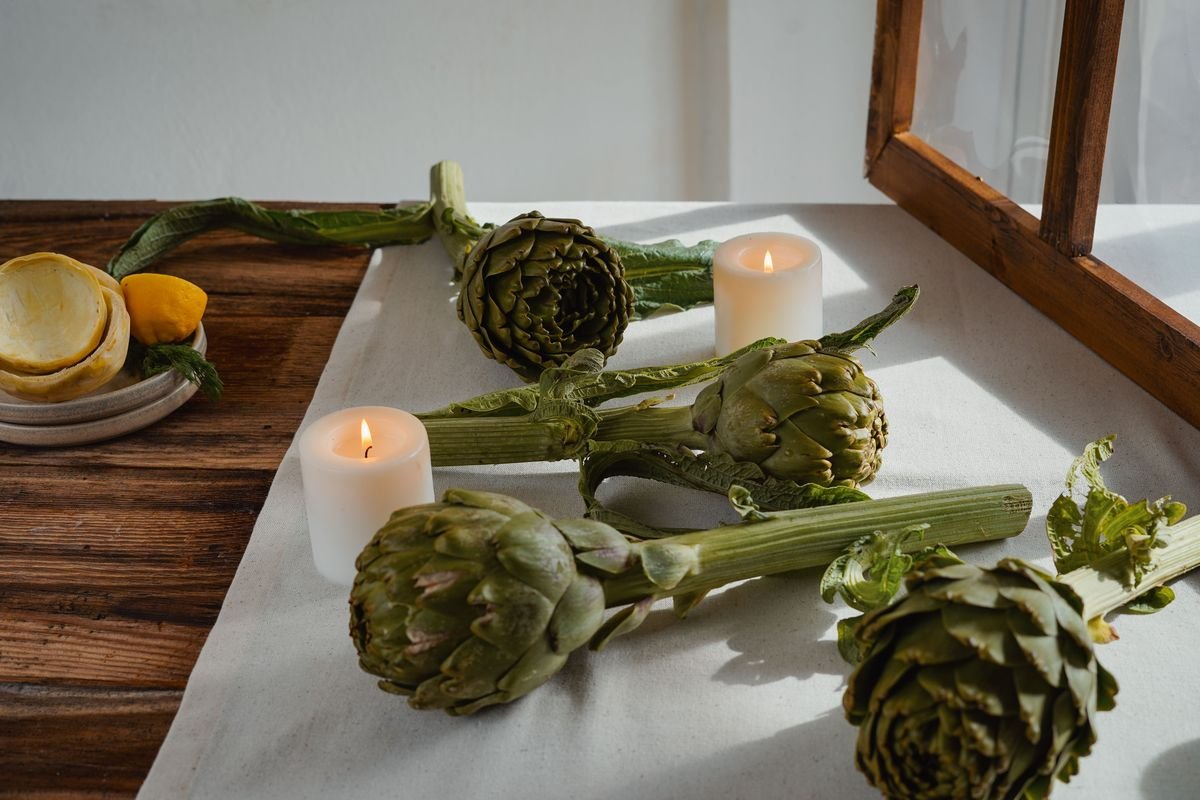
Many dog owners love sharing healthy human foods with their pets. Artichokes are packed with nutrients, but are they safe for dogs? The short answer is yes, dogs can have artichoke in moderation, but there are important precautions to take. This article covers everything you need to know about feeding artichoke to your furry friend, from potential benefits to preparation tips.
Is Artichoke Safe for Dogs?
Plain, cooked artichoke hearts are safe for dogs when given in small amounts. The leaves, stem, and hairy choke (the fuzzy center) can be choking hazards or cause digestive issues. Always remove these parts before offering artichoke to your dog. Artichokes are not toxic to dogs, but they can cause problems if not prepared properly.
Health Benefits of Artichoke for Dogs
Artichokes are nutrient-dense vegetables that can offer some health benefits for dogs when fed as an occasional treat. They contain fiber, vitamins C and K, folate, magnesium, and antioxidants. These nutrients support digestion, immune health, and cellular function. However, dogs get most of their nutrition from a balanced commercial diet, so artichokes should only be a supplement, not a staple.
Fiber for Digestive Health
Artichokes are a good source of dietary fiber, which can help regulate your dog’s bowel movements. Fiber supports healthy digestion and can be beneficial for dogs with mild constipation or diarrhea. Too much fiber, however, can cause upset stomach or gas. Introduce artichoke slowly and in small portions.
Antioxidants and Vitamins
Artichokes contain antioxidants like quercetin and rutin, which help reduce inflammation and protect cells from damage. Vitamin C supports the immune system, while vitamin K is important for blood clotting. These nutrients contribute to overall health, but the amounts in a small serving are minor compared to a dog’s complete diet.
Risks and Precautions
While artichokes are not toxic, there are several risks to consider. The most immediate dangers come from the inedible parts: the tough outer leaves, the stem, and the fuzzy choke. These can cause choking or intestinal blockages if swallowed. Always prepare artichoke hearts by removing all greenery and the choke. Additionally, seasoned or marinated artichokes (e.g., in oil, garlic, or salt) are unsafe for dogs. Plain, steamed, or boiled artichoke hearts without any additives are the only safe option.
Choking and Blockage Hazards
The fibrous outer leaves and the choke are difficult for dogs to digest and can become lodged in the throat or create blockages in the digestive tract. This is a medical emergency. Only offer the soft, fleshy heart of the artichoke, cut into small, manageable pieces.
Additives and Seasonings
Artichokes often come canned, jarred, or prepared with oil, salt, garlic, onion, or spices. Garlic and onion are toxic to dogs, and high sodium or fat content can cause pancreatitis or other health issues. Always choose fresh artichokes and cook them plain. If using canned, check for no added salt or preservatives and rinse thoroughly.
How to Safely Feed Artichoke to Your Dog
Follow these steps to prepare artichoke safely for your dog:
– Start with a fresh, whole artichoke.
– Remove all outer leaves, the stem, and the hairy choke until only the heart remains.
– Steam or boil the heart until tender. Do not add salt, oil, or seasonings.
– Let it cool, then cut into small, bite-sized pieces.
– Offer a small piece (about a teaspoon for small dogs, a tablespoon for large dogs) as a treat.
– Monitor your dog for any adverse reactions, such as vomiting, diarrhea, or signs of discomfort.
How Much Artichoke Can Dogs Eat?
Artichoke should only be an occasional treat. For most dogs, one or two small pieces of artichoke heart a few times per week is sufficient. As a general rule, treats should make up no more than 10% of your dog’s daily caloric intake. Because artichokes are low in calories but high in fiber, large amounts can cause digestive upset. Start with a tiny amount (like a quarter of a teaspoon for small dogs) to see how your dog reacts.
Alternatives to Artichoke for Dogs
If you’re looking for other healthy vegetables to share with your dog, consider these options that are also safe and nutritious: carrots, green beans, cucumber, zucchini, and pumpkin (plain, cooked). These vegetables are lower in fiber and generally easier to digest. Always introduce any new food gradually and in small quantities.
Final Verdict
Yes, dogs can have artichoke hearts as an occasional treat, provided they are plain, cooked, and free from inedible parts. The health benefits are modest, and the risks of choking or digestive issues require careful preparation. Always consult your veterinarian before adding new foods to your dog’s diet, especially if your dog has existing health conditions or a sensitive stomach.