
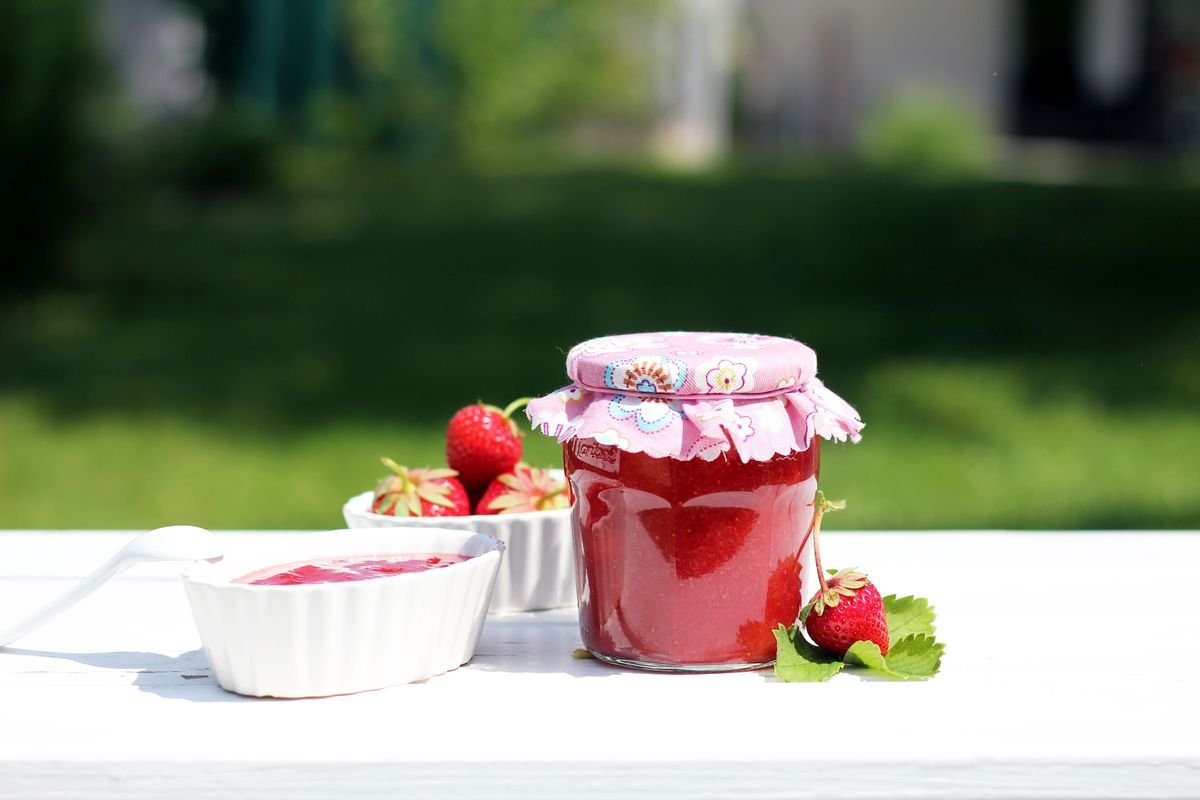
Strawberry jam is a sweet treat many of us enjoy on toast, scones, or as a topping. But if your dog gives you those pleading eyes while you spread it on your breakfast, you might wonder: can dogs eat strawberry jam?
The short answer is no. While strawberries themselves are safe for dogs in moderation, strawberry jam is packed with sugar and often contains additives that can harm your pet. Let’s break down why strawberry jam is not a good choice for your furry friend and explore safe alternatives.
Understanding the Ingredients in Strawberry Jam
To understand why strawberry jam is problematic for dogs, we need to look at its ingredients. Most commercial jams contain strawberries, sugar, pectin, lemon juice, and sometimes preservatives or artificial flavors. Each component poses different risks.
Strawberries: The Good and the Bad
Plain fresh strawberries are safe for dogs. They are low in calories, high in vitamin C, fiber, and antioxidants. However, even strawberries should be given in moderation due to their natural sugar content. The problem is that jam concentrates both the fruit and added sugars.
Sugar Content and Its Dangers
Strawberry jam is mostly sugar. A single tablespoon can contain 10 to 15 grams of sugar. Dogs do not need added sugar in their diet. High sugar intake can lead to obesity, dental decay, and metabolic issues. Over time, it may even contribute to diabetes.
Moreover, sugar can cause a rapid spike in blood glucose followed by a crash, which can make your dog feel lethargic or irritable. For dogs with underlying health conditions like pancreatitis or diabetes, sugar is especially dangerous.
Other Common Additives: Pectin, Lemon Juice, and Preservatives
Pectin is a gelling agent derived from fruit. It is generally safe but can cause mild digestive upset if consumed in large amounts. Lemon juice adds acidity and flavor. While a small amount is not toxic, it can irritate the stomach.
Some jams contain preservatives like potassium sorbate or sodium benzoate. These are mostly safe in tiny quantities but offer no benefit. The biggest concern is sugar-free jam, which may contain xylitol, a deadly toxin for dogs.
Potential Health Risks of Feeding Strawberry Jam to Your Dog
Even a small lick of strawberry jam might not cause immediate harm, but regular or large amounts can lead to serious health issues. Here are the main risks.
Weight Gain and Obesity
Obesity is a growing problem in dogs, and sugary treats like jam contribute empty calories. Just one tablespoon of jam can add up to 60 calories. For a small dog, that could be a significant portion of their daily caloric needs. Over time, this leads to weight gain and associated health problems like joint issues and heart disease.
Dental Problems
Sugar feeds harmful bacteria in the mouth, leading to plaque buildup, bad breath, and tooth decay. Dogs are prone to dental disease, and adding sugary jam to their diet only worsens the problem. Sticky jam can cling to teeth, prolonging sugar exposure.
Gastrointestinal Upset
Dogs have sensitive digestive systems. The high sugar concentration in jam can draw water into the intestine, causing diarrhea or vomiting. If your dog eats a large amount, they may experience bloating, gas, or discomfort. Some dogs may also have an allergic reaction to strawberries, though this is rare.
Risk of Pancreatitis
Fatty and sugary foods can trigger pancreatitis, an inflammation of the pancreas. This is especially dangerous for dogs prone to the condition, such as Miniature Schnauzers. Symptoms include vomiting, abdominal pain, and loss of appetite. Severe cases require veterinary hospitalization.
What About Sugar-Free or Homemade Jam?
If you think sugar-free jam is a better option, think again. It often contains artificial sweeteners that are toxic to dogs. Homemade jam might seem safer, but it still has high sugar content.
Sugar-Free Jam and Xylitol Toxicity
Xylitol is a common sugar substitute in sugar-free products. Even a small amount can cause a rapid insulin release in dogs, leading to dangerously low blood sugar (hypoglycemia). Symptoms include weakness, vomiting, seizures, and even liver failure. Always check labels: if a jam contains xylitol, it is a firm no. If the sweetener is erythritol or stevia, the risk is lower but still not ideal.
Homemade Jam: A Safer Option?
Homemade jam often uses the same sugar or sugar substitutes as commercial versions. You can make a dog-safe version by cooking down fresh strawberries with no added sugar or sweeteners. However, even unsweetened fruit puree should be given sparingly. The concentrated fiber and natural sugars can still upset the stomach.
Safe Alternatives to Strawberry Jam
Instead of jam, offer your dog treats that are nutritious and tasty. Here are some dog-friendly options.
Fresh Strawberries: A Healthy Treat
Fresh strawberries are a great alternative. Wash them, remove the green top, and slice them into small pieces to prevent choking. Limit to one or two strawberries for a medium dog, depending on size. They provide vitamins and antioxidants without the added sugar.
Plain Unsweetened Applesauce
Applesauce (without added sugar) can be a tasty lickable treat. Make sure it contains no spices or sweeteners. You can freeze it in ice cube trays for a refreshing summer snack.
Dog-Safe Fruit Purees
You can puree blueberries, bananas, or watermelon (seedless) for a jam-like texture without the dangers. Use these as a topping on your dog’s meal or as a kong filler. Always introduce new foods slowly.
What to Do If Your Dog Eats Strawberry Jam
If your dog accidentally licks a small amount of strawberry jam, they will likely be fine. Monitor for signs of digestive upset. If they ate a large quantity (like an entire jar), contact your veterinarian, especially if the jam contains xylitol or if your dog has preexisting health conditions.
Signs to watch for include vomiting, diarrhea, lethargy, or excessive thirst. For xylitol ingestion, symptoms can occur within 30 minutes. Call your vet or a pet poison helpline immediately.
Conclusion
Strawberry jam is not a safe treat for dogs. The high sugar content, potential for xylitol, and risk of obesity and pancreatitis make it a food to avoid. Stick to fresh strawberries or other dog-friendly fruits in moderation. Your dog will thank you with a healthy wagging tail.
Remember, a balanced diet and appropriate treats keep your furry friend happy and healthy. When in doubt, always consult your veterinarian before introducing new human foods to your dog’s diet.