
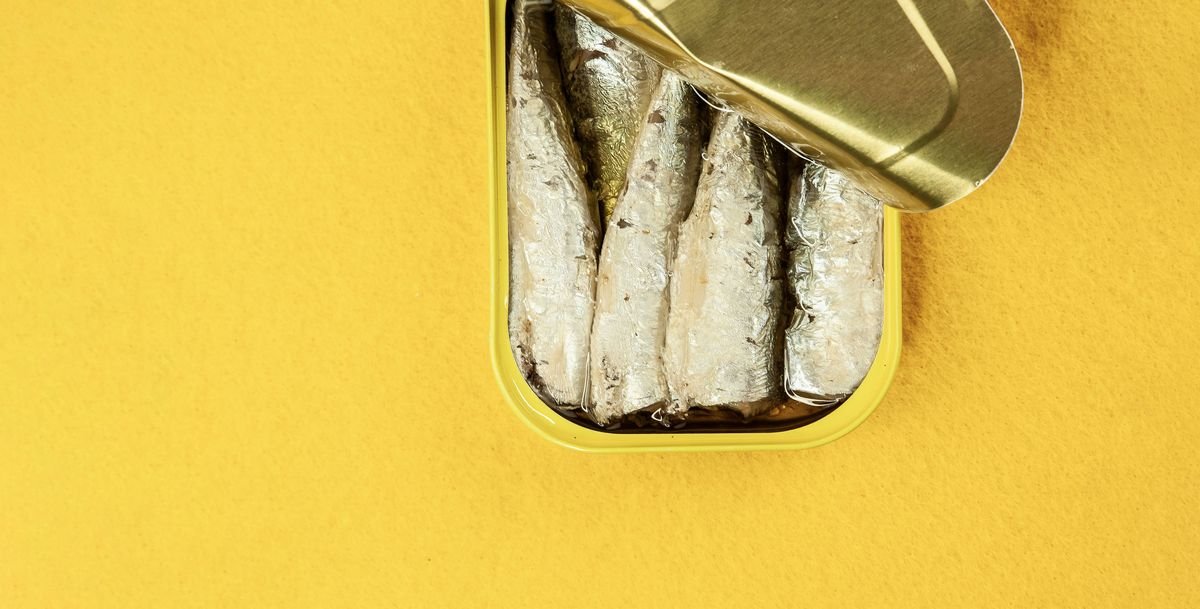
Many dog owners ask, ‘can dogs eat sardines in water?’ The short answer is yes, but with some important caveats. Sardines packed in water are a healthy, protein-rich treat for most dogs when served plain and in moderation. They offer a natural source of omega-3 fatty acids, vitamins, and minerals that can support your dog’s coat, joints, and immune system.
Before you open a can, though, it’s crucial to understand the differences between sardine varieties and how to prepare them safely. This article covers everything you need to know about feeding sardines in water to your dog, including benefits, risks, portion sizes, and frequently asked questions.
Health Benefits of Sardines for Dogs
Sardines are packed with nutrients that can complement a balanced canine diet. Here are the key benefits:
Rich in Omega-3 Fatty Acids
Omega-3s, particularly EPA and DHA, are anti-inflammatory fats that support skin health, reduce itching, promote a shiny coat, and aid joint function. Dogs with arthritis or allergies may benefit from a regular source of omega-3s. Sardines in water provide these fatty acids without added oils or salt.
High Quality Protein
Protein is essential for muscle maintenance, repair, and overall energy. Sardines are a complete protein source, meaning they contain all the essential amino acids dogs need. This makes them an excellent occasional addition to meals or a training treat.
Essential Vitamins and Minerals
Sardines are rich in vitamin D, vitamin B12, calcium, phosphorus, and selenium. Vitamin D helps regulate calcium and phosphorus for strong bones. B12 supports nerve function and red blood cell formation. Selenium is an antioxidant that protects cells from damage. These nutrients can fill gaps in a homemade or processed dog food diet.
Are Sardines in Water Better Than Those in Oil or Sauce?
For dogs, sardines packed in water are the best choice. Sardines in oil (like olive or soybean oil) add unnecessary calories and fat, which can lead to weight gain or pancreatitis in sensitive dogs. Oil-packed sardines often also contain added salt. Sardines in tomato sauce, mustard, or other sauces usually contain onions, garlic, or spices that are toxic to dogs in large amounts. Water-packed sardines avoid these additives. Always choose sardines labeled ‘in water’ and check the ingredient list for no added salt or preservatives.
Potential Risks of Feeding Sardines to Dogs
While sardines are safe for most dogs, there are a few risks to keep in mind.
Mercury Content and Fish Size
Sardines are small, short-lived fish, so they have much lower mercury levels than larger species like tuna or swordfish. However, feeding sardines every day could still accumulate mercury over time. Stick to occasional treats to keep the risk negligible.
Bones and Choking Hazard
Canned sardines have soft, edible bones that pose minimal choking risk for most dogs. However, for very small dogs or those who gulp food, the bones could be a concern. Crush or chop the sardines before serving to prevent any issues. Also, watch for sharp bones that might remain in some brands; hand-checking is wise.
Sodium Content in Water-Packed Sardines
Even water-packed sardines can contain added salt for preservation. Too much sodium can lead to excessive thirst, urination, or even sodium ion poisoning in extreme cases. Look for ‘no salt added’ or ‘unsalted’ sardines. If only salted ones are available, rinse them thoroughly under cold water before feeding.
How to Safely Feed Sardines to Your Dog
Follow these simple steps to make sardines a safe and enjoyable treat.
Choosing the Right Sardines
Purchase sardines packed in water with no salt added. Check the label for any other ingredients like natural flavors, spices, or preservatives. The simpler the ingredient list the better. Wild-caught sardines are generally preferred over farmed for nutritional quality.
Serving Size Guidelines
Portion size depends on your dog’s weight. As a general rule: Small dogs (under 10 lbs) can have about 1/2 to 1 sardine per week. Medium dogs (10-30 lbs) can have 1-2 sardines per week. Large dogs (30-60 lbs) can have 2-3 sardines per week. Extra-large dogs (over 60 lbs) can have up to 4 sardines per week. Start with a small amount to see how your dog tolerates it.
Preparation Tips
Open the can and drain the water completely. If the sardines contain salt, rinse them under cold water. Break the sardines into small pieces, especially for small dogs. You can mix them into your dog’s regular food, use as a meal topper, or offer as a separate treat. Refrigerate any unused portions and use within a day or two.
How Often Can Dogs Eat Sardines?
Sardines should be an occasional treat, not a dietary staple. For most dogs, 1-2 servings per week is safe. This frequency provides the health benefits without risk of heavy metal buildup or nutritional imbalance. If your dog has a medical condition like kidney disease or pancreatitis, consult your veterinarian before adding sardines to their diet.
Frequently Asked Questions
Here are answers to common concerns about feeding sardines to dogs.
Can dogs eat sardines packed in spring water?
Yes, spring water is the same as plain water for canning purposes. As long as no salt or other additives are present, spring water sardines are a great choice.
Can dogs eat sardines packed in olive oil?
In small amounts, plain olive oil is not toxic, but sardines in oil are higher in fat and calories. They can cause digestive upset or pancreatitis in sensitive dogs. It’s safer to stick with water-packed. If you use oil-packed, drain and rinse off the oil.
Can dogs eat sardines packed in tomato sauce?
Not recommended. Tomato sauce often contains added sugar, salt, onions, or garlic. Onions and garlic are toxic to dogs. Even plain tomato sauce is acidic and may cause stomach upset. Always choose water-packed.