
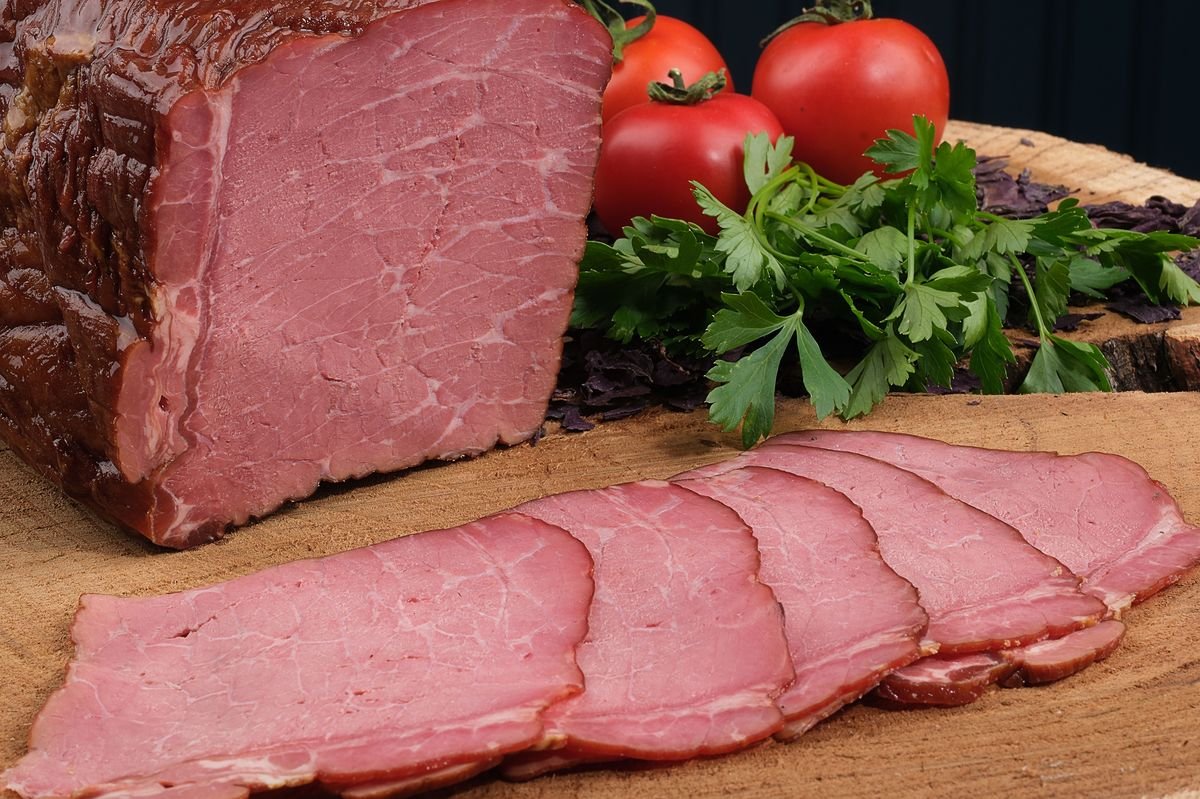
Yes, dogs can eat roast beef, but only if it is plain and served in moderation. Roast beef is a lean source of protein that can be a healthy treat for your dog when prepared correctly. However, many roast beef preparations include seasonings, fats, and additives that can be harmful to your pet. This article explains how to safely share roast beef with your dog and what precautions to take.
Is Roast Beef Safe for Dogs?
The short answer is yes, plain roast beef is safe for dogs. But safety depends entirely on how the meat is prepared and how much you feed. Commercially prepared roast beef, such as deli meat or seasoned roasts, often contains ingredients that are dangerous for dogs.
Always check the ingredients. If the roast beef contains garlic, onion, excessive salt, or other spices, it is not safe. Plain, unseasoned roast beef that you cook at home is the best choice.
Plain Roast Beef vs. Seasoned Roast Beef
Plain roast beef is simply cooked beef with no added ingredients. This is safe for dogs in small amounts. Seasoned roast beef may include garlic and onion powder, both of which are toxic to dogs. Salt content is also a concern, as too much sodium can lead to dehydration or sodium ion poisoning.
Deli roast beef is often high in preservatives and sodium, making it a poor choice. Always opt for fresh, homemade roast beef with no seasoning.
Nutritional Benefits of Roast Beef for Dogs
Roast beef offers several nutritional benefits when fed appropriately. It is rich in protein, which supports muscle growth and repair. It also provides essential vitamins and minerals that contribute to overall health.
High-Quality Protein
Beef is a complete protein source, meaning it contains all the essential amino acids dogs need. Protein helps maintain healthy skin, coat, and immune function. For active dogs, a small amount of roast beef can be a great energy boost.
Essential Vitamins and Minerals
Roast beef is a good source of vitamin B12, which supports nerve function and red blood cell formation. It also provides iron for healthy blood, zinc for immune health, and selenium, an antioxidant that protects cells from damage.
Risks of Feeding Roast Beef to Dogs
Despite the benefits, there are several risks associated with feeding roast beef to dogs. Understanding these risks will help you make an informed decision.
High Fat Content
Roast beef can be high in fat, especially if it includes marbled meat or drippings. Too much fat can cause pancreatitis, a painful inflammation of the pancreas. Even a single fatty meal can trigger an episode in susceptible dogs.
To reduce risk, trim visible fat before serving. Also avoid giving your dog any pan drippings or gravy.
Seasonings and Additives
Many seasonings used in roast beef are harmful to dogs. Garlic and onions, whether fresh or powdered, can damage red blood cells and cause anemia. Excess salt can lead to increased thirst, urination, and even sodium poisoning.
Always feed only unseasoned roast beef. If the meat has been marinated or brined, it is not safe for your dog.
Cooked Bones
Roast beef may sometimes be served with bones. Cooked bones are brittle and can splinter, causing choking, intestinal blockages, or tears in the digestive tract. Never give your dog cooked bones from roast beef or any other meat.
If you want to offer a bone, choose a raw, appropriately sized bone and supervise your dog at all times.
How to Safely Feed Roast Beef to Your Dog
If you decide to give your dog roast beef, follow these guidelines to ensure safety and enjoyment.
Portion Size
Roast beef should be an occasional treat, not a meal replacement. A good rule is to keep treats to no more than 10% of your dog’s daily caloric intake. For a medium-sized dog, that might be a few small cubes of roast beef.
Start with a tiny piece to see how your dog reacts, especially if they have a sensitive stomach. If they tolerate it well, you can occasionally offer a larger portion.
Preparation Tips
Cook the roast beef thoroughly to kill any harmful bacteria. Do not add salt, spices, oil, or butter. Let it cool, then cut into bite-sized pieces to prevent choking.
Remove any visible fat and bones before serving. Store leftover roast beef in the refrigerator and use within a few days. Do not leave it out at room temperature for more than two hours.
Healthier Alternatives to Roast Beef
While roast beef is safe in moderation, there are other protein options that may be even healthier for your dog. Plain cooked chicken breast or turkey breast are leaner choices with less fat. Lean cuts of beef, such as sirloin or round, are also good options.
Fish like salmon (cooked, boneless) provides omega-3 fatty acids. Eggs are another excellent source of protein. Always introduce new foods gradually and consult your veterinarian if you have questions about your dog’s diet.
Final Verdict: Can Dogs Eat Roast Beef?
Yes, dogs can eat plain, unseasoned roast beef in moderation. It offers protein and nutrients, but risks like high fat, seasonings, and bones must be managed. Always serve it as an occasional treat, not a staple. If your dog has underlying health conditions, such as pancreatitis or obesity, consult your vet before adding any new food.
Remember: the key to a healthy dog is a balanced diet. Treats like roast beef can be part of that, but they should never replace complete and balanced dog food.