
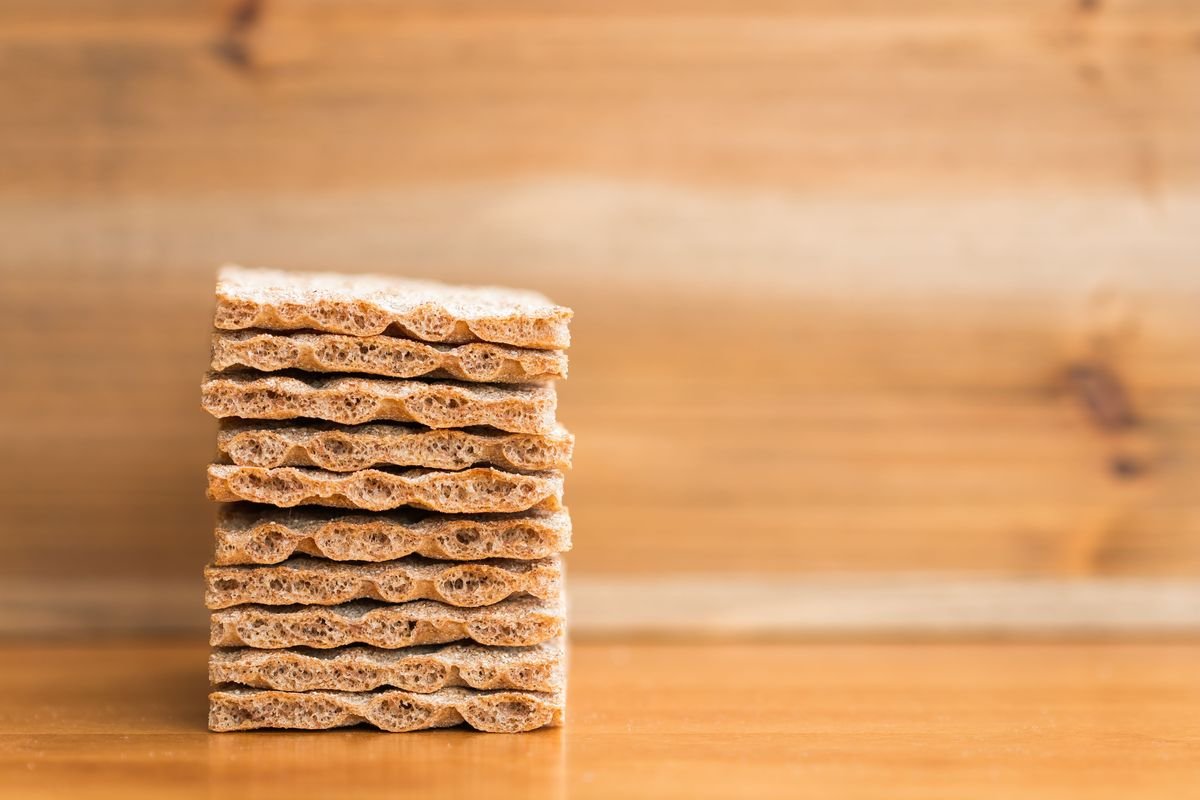
Many dog owners wonder if it is safe to share a few Ritz crackers with their furry friend. After all, these crackers are a common pantry staple and often find their way into our snacks. The short answer is that while a plain Ritz cracker is not toxic to dogs, it is not a healthy treat either. To fully understand the implications, we need to look at the ingredients, potential health risks, and better alternatives for your canine companion.
Understanding the Ingredients in Ritz Crackers
Ritz crackers are made from a blend of refined flour, oil, sugar, salt, and various preservatives. Many varieties also include artificial flavors and leavening agents. None of these ingredients are beneficial for dogs. The primary concerns are the high levels of sodium and fat, as well as additives that can cause digestive upset or even toxicity in large amounts.
Salt Content
One of the biggest issues with Ritz crackers is their high sodium content. A single serving (about 5 crackers) contains around 135 milligrams of sodium. Dogs require very little sodium in their diet, and excessive salt intake can lead to dehydration, increased thirst, and even sodium ion poisoning. Symptoms include vomiting, diarrhea, tremors, and in severe cases, seizures or coma. While a few crackers are unlikely to cause poisoning, regular consumption can strain your dog’s kidneys and cardiovascular system.
Fat and Calories
Ritz crackers are also relatively high in fat and calories. Each cracker contains about 16 calories and 1 gram of fat. For a small dog, even a few crackers can contribute significantly to their daily calorie intake, potentially leading to weight gain and obesity. High-fat foods can also trigger pancreatitis, a painful and potentially serious inflammation of the pancreas. Dogs with sensitive stomachs or a history of pancreatitis should avoid fatty treats like Ritz crackers.
Preservatives and Additives
Ritz crackers contain preservatives such as TBHQ (tertiary butylhydroquinone) and BHT (butylated hydroxytoluene). While these are approved for human consumption in small amounts, their long-term effects on dogs are not well studied. Some dogs may be sensitive to these additives and develop allergic reactions or digestive issues. Additionally, many flavored varieties of Ritz crackers contain onion powder or garlic powder, both of which are toxic to dogs and can cause damage to red blood cells.
Potential Health Risks for Dogs
Feeding your dog Ritz crackers, especially in larger quantities or on a regular basis, can pose several health risks. Below are the most common concerns.
Digestive Upset
Dogs have different digestive systems than humans. Processed foods like Ritz crackers can cause gastrointestinal upset, including gas, bloating, vomiting, or diarrhea. The high carbohydrate content can also disrupt the balance of gut bacteria. If your dog eats a few crackers, watch for signs of discomfort. Most mild cases resolve on their own with plenty of water.
Pancreatitis Risk
High-fat treats are a common trigger for pancreatitis in dogs. This condition involves inflammation of the pancreas and can cause severe abdominal pain, vomiting, loss of appetite, and lethargy. Breeds prone to pancreatitis include Miniature Schnauzers, Yorkshire Terriers, and Cocker Spaniels, but any dog can be affected. Even a small amount of fatty food can set off an episode in susceptible dogs.
Sodium Ion Poisoning
Although rare from a few crackers, sodium ion poisoning is a serious risk if a dog consumes a large amount of salty foods. Symptoms include excessive thirst, urination, vomiting, diarrhea, tremors, seizures, and even coma. Dogs with underlying health conditions like kidney disease or heart disease are at higher risk. If you suspect your dog has eaten a large quantity of Ritz crackers, contact your veterinarian immediately.
Can a Small Amount Ever Be Safe?
If your dog snatches a single Ritz cracker that has fallen on the floor, they will likely be fine. The occasional cracker is not toxic and is unlikely to cause serious harm. However, it is important to consider the size of your dog. A whole cracker is a much bigger treat for a Chihuahua than for a Labrador Retriever. Always break the cracker into small pieces if you decide to offer a taste. Even then, it is best to reserve such treats for very rare occasions and choose healthier options whenever possible.
What to Do If Your Dog Eats Ritz Crackers
First, stay calm. Assess how many crackers your dog ate and whether they are flavored varieties containing onion or garlic powder. If your dog ate only a few plain Ritz crackers, monitor them for any signs of digestive upset. Provide plenty of fresh water to help flush out excess sodium. If you notice vomiting, diarrhea, excessive thirst, or behavioral changes, contact your veterinarian.
In the case of flavored crackers or a large quantity (e.g., half a sleeve or more), call your vet or a pet poison helpline for advice. Be ready to provide the number of crackers consumed, your dog’s weight, and any symptoms observed. Prompt action can prevent serious complications.
Healthier Alternatives to Ritz Crackers
Instead of sharing processed crackers, offer your dog treats that are both safe and nutritious. Here are some excellent alternatives:
– Plain, unsalted rice cakes: Low in calories and sodium.
– Baby carrots or apple slices: Crunchy and rich in vitamins (remove seeds from apples).
– Plain cooked chicken or turkey: High-protein and low-fat.
– Commercial dog treats: Look for those with minimal ingredients and no added salt.
– Dehydrated sweet potato chews: Natural and gentle on the stomach.
Always introduce new foods gradually and in moderation. Remember that treats should makeup no more than 10% of your dog’s daily calorie intake. The best diet for your dog is a complete, balanced commercial dog food or a properly formulated homemade diet under veterinary guidance.