
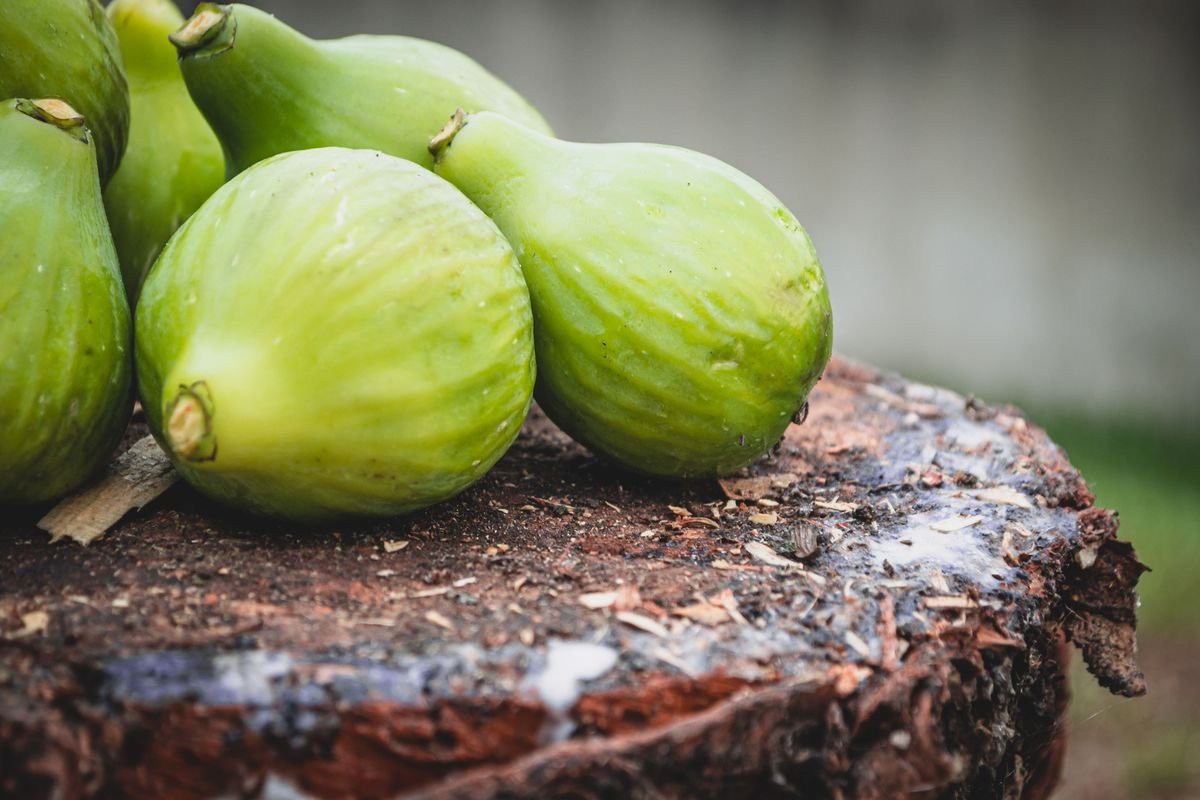
Fig bars are a popular snack for people, but can dogs eat them safely? The short answer is that it depends on the ingredients. While plain figs are generally safe for dogs in small quantities, fig bars often contain added sugars, preservatives, and other potentially harmful ingredients like raisins or chocolate. Before sharing this sweet treat with your canine companion, it’s important to understand the risks.
This article breaks down the safety of fig bars for dogs, what to watch out for in popular brands, and what to do if your dog sneaks a bite. We also offer healthier alternatives that satisfy your pup’s cravings without the danger.
Are Fig Bars Safe for Dogs?
The safety of fig bars for dogs depends entirely on the specific ingredients used. Plain figs are non-toxic to dogs and can be a source of fiber, vitamins, and minerals. However, fig bars are processed snacks that often contain extra components that are not dog-friendly.
Many commercial fig bars are high in sugar, which can lead to obesity, dental problems, and even diabetes in dogs. The sugar content alone makes them an unhealthy choice. Additionally, some fig bars include raisins or chocolate chips, both of which are toxic to dogs. Even if the fig bar appears plain, always check the ingredient list for hidden dangers.
Potential Risks of Feeding Fig Bars to Dogs
Fig bars pose several risks to dogs, ranging from digestive upset to serious toxicity. Below are the main concerns associated with feeding fig bars to your pet.
High Sugar Content
Most fig bars contain added sugar, which offers no nutritional benefit for dogs. Too much sugar can cause gastrointestinal distress such as diarrhea or vomiting. Over time, a high-sugar diet contributes to weight gain, pancreatitis, and metabolic issues. Even a single fig bar can exceed the daily recommended sugar intake for a small dog.
Artificial Additives and Preservatives
Processed snacks like fig bars often include preservatives, artificial flavors, and colors. These additives can trigger allergic reactions or digestive sensitivities in some dogs. While not always toxic, they are unnecessary and may cause long-term health problems if consumed regularly.
Raisins and Chocolate: Toxic Ingredients
Raisins are a common ingredient in some fig bars and are highly toxic to dogs. Even a small amount can cause acute kidney failure. Similarly, chocolate chips are dangerous because they contain theobromine and caffeine, which can lead to vomiting, seizures, and even death. Always scrutinize the ingredient label to ensure the fig bar does not contain these harmful additions. If in doubt, do not feed it to your dog.
Fig Bars and Special Ingredients
Not all fig bars are created equal. Some are made with whole wheat flour, honey, or natural sweeteners, which might seem healthier but still pose risks. Honey, for example, is safe in small amounts but can cause blood sugar spikes. Whole wheat is generally safe unless your dog has a gluten allergy. However, the high calorie and sugar content remain problematic.
On the other hand, many fig bars are made with high-fructose corn syrup, refined oils, and artificial sweeteners like xylitol. Xylitol is extremely toxic to dogs, causing rapid insulin release and hypoglycemia. Always check for xylitol in the ingredients, as it is sometimes used in low-sugar or sugar-free products.
What to Do If Your Dog Eats Fig Bars
If your dog eats a fig bar, do not panic. First, identify the brand and check the ingredients for raisins, chocolate, or xylitol. If any of these are present, contact your veterinarian or a pet poison hotline immediately. They can advise you on the next steps, which may include inducing vomiting or monitoring for symptoms.
If the fig bar contains only harmless ingredients like figs, flour, and sugar, the most likely outcome is a mild stomach upset. Offer plenty of fresh water and watch for signs of discomfort such as diarrhea or bloating. In most cases, the symptoms resolve on their own within 24 hours. However, if your dog begins vomiting repeatedly, seems lethargic, or shows signs of distress, seek veterinary care.
Healthy Alternatives to Fig Bars for Dogs
Instead of sharing fig bars, consider offering your dog safer, more nutritious treats. Fresh figs (without the skin or stem, and only one or two small pieces) make a good occasional snack. You can also try plain fruits like blueberries, apple slices (no seeds), or banana. For a crunch, raw carrots or green beans are excellent options.
Commercial dog treats designed for canine consumption are a better choice than human snacks. Look for options made with simple, whole ingredients and no added sugars or artificial additives. You can even make your own dog-friendly fig treats at home using blended figs, oat flour, and a touch of unsweetened applesauce. Baked into small bites, these offer a similar taste without the risks.
Final Verdict: Can Dogs Eat Fig Bars?
In short, it is best to avoid feeding fig bars to your dog. The potential for harmful ingredients like raisins, chocolate, or xylitol, combined with high sugar and additives, makes them an unnecessary risk. Plain figs in moderation are safe, but not the processed bar form. If you want to give your dog a special treat, stick to dog-safe fruits or commercial treats formulated for their health. Always consult your veterinarian before introducing new foods into your dog’s diet.