
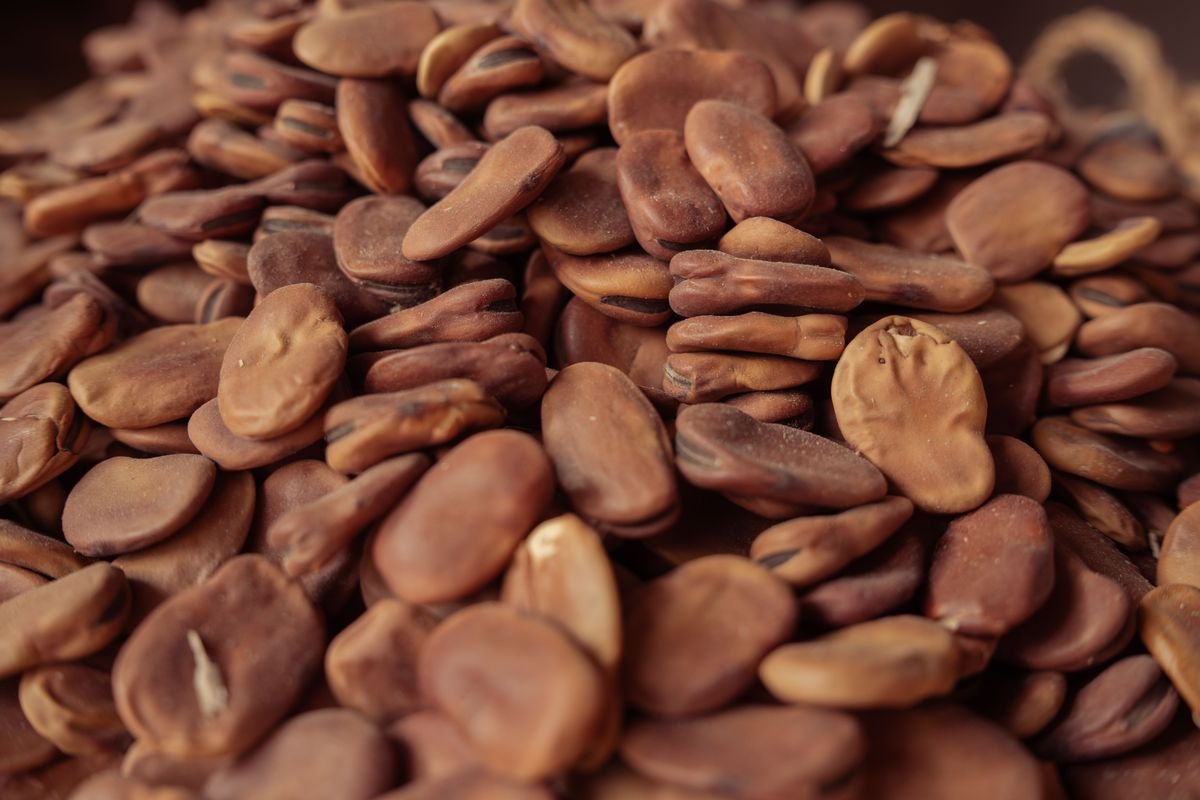
If you are a dog owner who enjoys fava beans, you might wonder whether you can share this nutritious legume with your furry friend. The short answer is no, fava beans are not safe for dogs. While they are a healthy source of protein and fiber for humans, these beans can cause a range of health issues in dogs, from mild digestive upset to more serious toxicity.
Understanding the specific risks associated with fava beans is essential for keeping your dog safe. This guide explores why fava beans are not recommended for canine consumption, what symptoms to watch for if your dog ingests them, and what healthier alternatives you can offer instead.
Are Fava Beans Safe for Dogs?
Fava beans (also known as broad beans) contain compounds called vicine and convicine. In humans with a genetic condition called glucose-6-phosphate dehydrogenase (G6PD) deficiency, these compounds can trigger hemolytic anemia. While dogs are not known to have the same G6PD enzyme, they can still experience adverse reactions.
The primary concern is that fava beans are hard for dogs to digest. Canine digestive systems are not designed to break down the complex carbohydrates and proteins found in legumes like fava beans. This can lead to gas, bloating, and abdominal discomfort. In some cases, more serious issues like vomiting or diarrhea may occur.
Additionally, fava beans contain a significant amount of protein and fiber. While these nutrients are beneficial in moderation for dogs, an excess from beans can upset their balanced diet and lead to long-term health problems if fed regularly.
Nutritional Value of Fava Beans for Dogs
Fava beans are rich in protein, fiber, folate, iron, and manganese. However, the nutritional benefits for humans do not translate well to dogs. Dogs require animal-based proteins for optimal health, and plant proteins like those in fava beans lack certain essential amino acids.
Moreover, the high fiber content can be problematic. A dog’s digestive system is short and designed for meat, not fibrous plant material. Too much fiber can interfere with nutrient absorption and cause gastrointestinal distress.
If you are looking to supplement your dog’s diet with extra nutrients, there are safer, more digestible alternatives that provide similar benefits without the risks.
Risks and Side Effects of Fava Beans for Dogs
Feeding fava beans to your dog can lead to several negative outcomes. The most common issues include:
– **Digestive Upset:** Vomiting, diarrhea, flatulence, and stomach pain are typical after a dog eats beans. These symptoms usually appear within a few hours and may last for a day or two.
– **Blockage Risk:** Whole fava beans, especially when dried or raw, can pose a choking hazard or cause an intestinal blockage, particularly in small breeds. Always avoid giving whole beans to dogs.
– **Hemolytic Anemia:** Although rare in dogs, some scientists believe that fava beans could theoretically trigger oxidative damage to red blood cells, similar to what happens in humans with G6PD deficiency. Symptoms include pale gums, weakness, dark urine, and lethargy. This is an emergency.
– **Allergic Reactions:** Some dogs may be allergic to legumes, including fava beans. Signs include itching, hives, swelling of the face or paws, and difficulty breathing.
What to Do If Your Dog Eats Fava Beans
If your dog accidentally ingests a small amount of fava beans, monitor them closely for any signs of distress. For a minor amount, your dog might only experience mild gas or a slightly upset stomach. However, if they eat a large quantity or show symptoms like vomiting, diarrhea more than once, lethargy, or weakness, contact your veterinarian immediately.
In cases of suspected toxicity or allergic reaction, do not induce vomiting unless instructed by a vet. Bring a sample of the beans (if possible) to help the vet identify the cause. Treatment may include supportive care such as fluids, anti-nausea medication, or a special diet to settle the stomach.
Prevention is best: keep fava beans and other legumes out of your dog’s reach, and educate all family members about the dangers.
Healthy Alternatives to Fava Beans for Dogs
Instead of fava beans, consider these dog-safe treats that provide similar nutritional benefits:
– **Green Beans:** Plain, steamed, or raw green beans are low in calories and rich in fiber and vitamins. They make excellent crunchy snacks.
– **Carrots:** Crunchy, sweet, and loaded with beta-carotene, carrots are great for dental health and provide a satisfying chew.
– **Pumpkin (plain, cooked):** Pure pumpkin is high in fiber and can aid digestion. It is often recommended for dogs with diarrhea or constipation.
– **Sweet Potatoes:** Cooked and unseasoned, sweet potatoes are a good source of vitamins A, C, and B6, plus fiber.
– **Peas:** Fresh or frozen peas (no added salt or seasonings) are small and easy to digest, providing protein and vitamins.
Always introduce new foods slowly and in small amounts to see how your dog reacts. And remember: treats should make up no more than 10% of your dog’s daily caloric intake.
Final Verdict: Can Dogs Eat Fava Beans?
No, dogs should not eat fava beans. The potential risks, including digestive upset, choking hazard, and possible toxicity, far outweigh any nominal nutritional benefits. Stick to safe vegetables and fruits as treats, and always consult your veterinarian before adding any new human food to your dog’s diet.
If you suspect your dog has eaten fava beans and is showing concerning symptoms, do not hesitate to seek professional veterinary care. Your dog’s health and safety are always the top priority.