
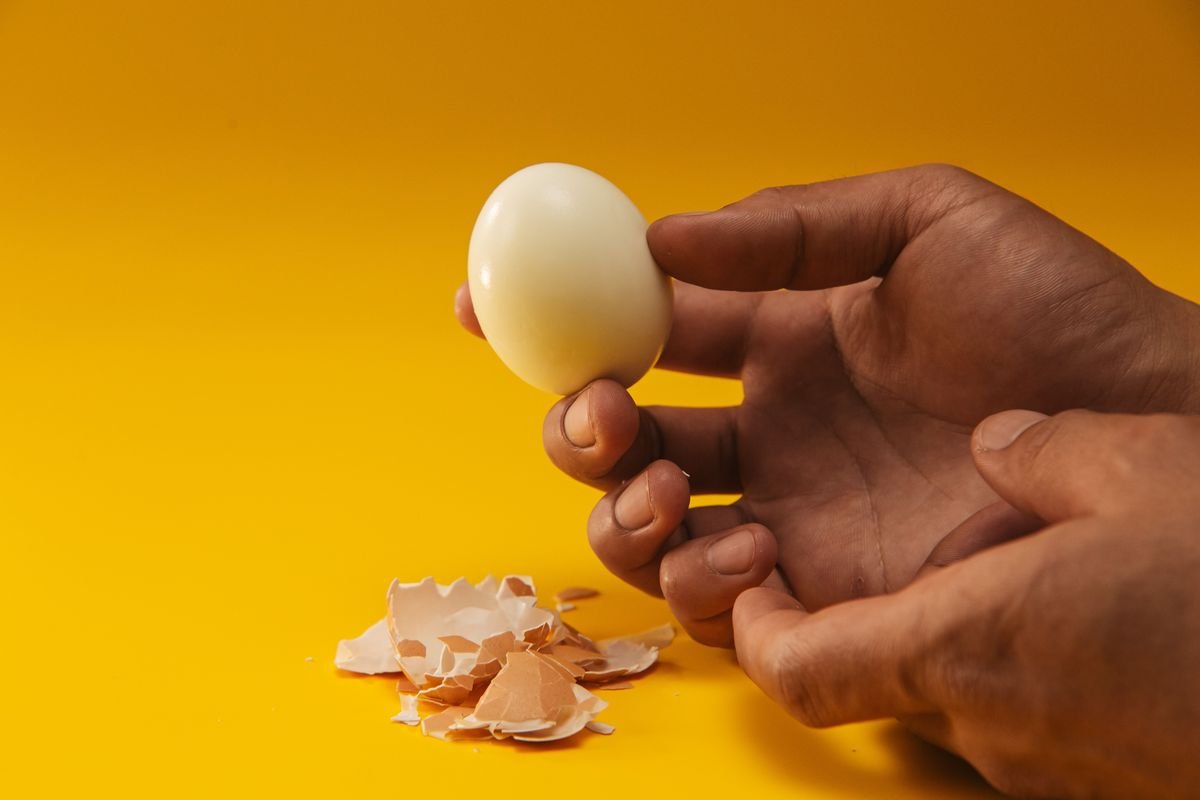
Many dog owners look for natural ways to boost their pet’s nutrition, and eggshells sometimes come up as a calcium supplement. But can dogs eat eggshells safely? The short answer is yes, but only when prepared correctly. Eggshells are rich in calcium and other minerals, but they also pose choking hazards and risks of bacterial contamination if not handled properly.
This guide covers everything you need to know about feeding eggshells to your dog, from nutritional benefits to safe preparation and serving sizes. Always consult your veterinarian before adding new supplements to your dog’s diet.
Nutritional Benefits of Eggshells for Dogs
Eggshells are composed primarily of calcium carbonate, which is the same form of calcium found in many commercial supplements. Calcium is essential for strong bones and teeth, proper muscle function, nerve transmission, and blood clotting. A single eggshell contains about two grams of calcium, roughly double the daily requirement for an adult dog of average size.
In addition to calcium, eggshells contain trace minerals like phosphorus, magnesium, and strontium, which support bone health and metabolic processes. The protein matrix in the shell membrane also provides collagen and glucosamine, compounds that may benefit joint health.
Feeding eggshells can be especially useful for dogs on homemade or raw diets that lack adequate calcium from other sources. However, eggshells should not replace a balanced diet but serve as a supplement to fill specific nutritional gaps.
Potential Risks of Feeding Eggshells to Dogs
While eggshells offer benefits, there are several risks to consider. First and foremost, raw eggshells can carry Salmonella or other bacteria, which can cause food poisoning in both dogs and humans. Dogs with compromised immune systems, puppies, and senior dogs are particularly vulnerable.
Sharp edges on broken eggshells can also injure a dog’s mouth, throat, or digestive tract if not ground into a fine powder. Whole or large pieces of shell pose a choking hazard and may cause gastrointestinal obstruction.
Another concern is over-supplementation. Too much calcium can lead to skeletal problems, especially in large-breed puppies, or cause kidney issues in dogs with pre-existing conditions. An imbalance of calcium and phosphorus can also interfere with bone development. Always follow dosing guidelines and consult your vet.
How to Safely Prepare Eggshells for Dogs
Proper preparation is key to making eggshells safe and digestible for dogs. Follow these steps:
1. Clean and Cook the Eggshells
Rinse the shells thoroughly after removing the egg contents to remove any raw egg residue. Then boil the shells for 10 minutes or bake them at 200°F (93°C) for 15 minutes to kill surface bacteria. Allow them to cool completely.
2. Grind Into a Fine Powder
Use a blender, coffee grinder, or mortar and pestle to grind the dried shells into a powder as fine as possible. This prevents sharp pieces and improves digestibility. Store the powder in an airtight container in a cool, dry place.
3. Incorporate Into Food
Sprinkle the recommended amount over your dog’s regular meal. Mix it thoroughly to ensure even consumption. Do not feed whole eggshells or large fragments.
How Much Eggshell to Give Your Dog
The appropriate dosage depends on your dog’s size, age, and overall diet. As a general guideline, one teaspoon of eggshell powder contains approximately 800–1000 mg of calcium. For most adult dogs, the daily calcium requirement is about 100 mg per kilogram of body weight.
A typical serving is 1/4 teaspoon for small dogs (under 20 lbs), 1/2 teaspoon for medium dogs (20–50 lbs), and 1 teaspoon for large dogs (over 50 lbs) per day. Always start with a smaller amount and monitor your dog for any digestive upset.
If your dog already eats a complete and balanced commercial diet, additional calcium is rarely needed. Over-supplementation can be harmful. It is best to consult your veterinarian or a canine nutritionist to determine the precise amount for your dog’s specific needs.
Alternatives to Eggshells for Calcium Supplementation
If you are concerned about the risks of eggshells, there are other ways to boost your dog’s calcium intake:
Commercial Calcium Supplements
Veterinary-formulated calcium powders or tablets provide a consistent and precisely dosed option. Look for products made specifically for dogs.
Bone Meal
Ground bone meal is a natural source of calcium and phosphorus. Ensure it comes from a reputable source to avoid heavy metal contamination.
Dairy Products
Plain yogurt, cottage cheese, and kefir offer calcium along with probiotics. However, some dogs are lactose intolerant, so introduce dairy gradually.
Leafy Greens and Vegetables
Broccoli, kale, and spinach contain calcium but in lower amounts. They should not be relied upon as the primary calcium source.
Each option has pros and cons. Discuss with your vet to choose the best approach for your dog’s diet and health status.
Frequently Asked Questions About Dogs and Eggshells
Q: Can puppies eat eggshells?
A: Puppies have different calcium needs than adult dogs. Too much calcium can cause skeletal growth abnormalities. It is safer to use a balanced puppy food or a veterinarian-recommended supplement.
Q: Can I feed raw eggshells?
A: It is not recommended due to the risk of bacterial infection. Always cook or bake the shells first.
Q: Can eggshells be fed to dogs with kidney disease?
A: Dogs with kidney issues should avoid extra calcium unless prescribed by a vet. High calcium can worsen kidney function.
Q: What if my dog eats a whole eggshell?
A: Monitor for choking or signs of obstruction like vomiting, loss of appetite, or abdominal pain. If any symptoms appear, contact your vet immediately. For small pieces, the shell may pass safely, but large fragments require attention.
Final Thoughts
Eggshells can be a safe and natural calcium supplement for dogs when properly cleaned, cooked, and ground into a fine powder. They offer valuable nutrients that support bone health and joint function. However, they are not suitable for every dog, and incorrect preparation or overuse can lead to health problems.
Always consult your veterinarian before adding eggshells or any supplement to your dog’s diet. With the right approach, eggshells can be a simple way to enhance your pet’s nutrition naturally.