
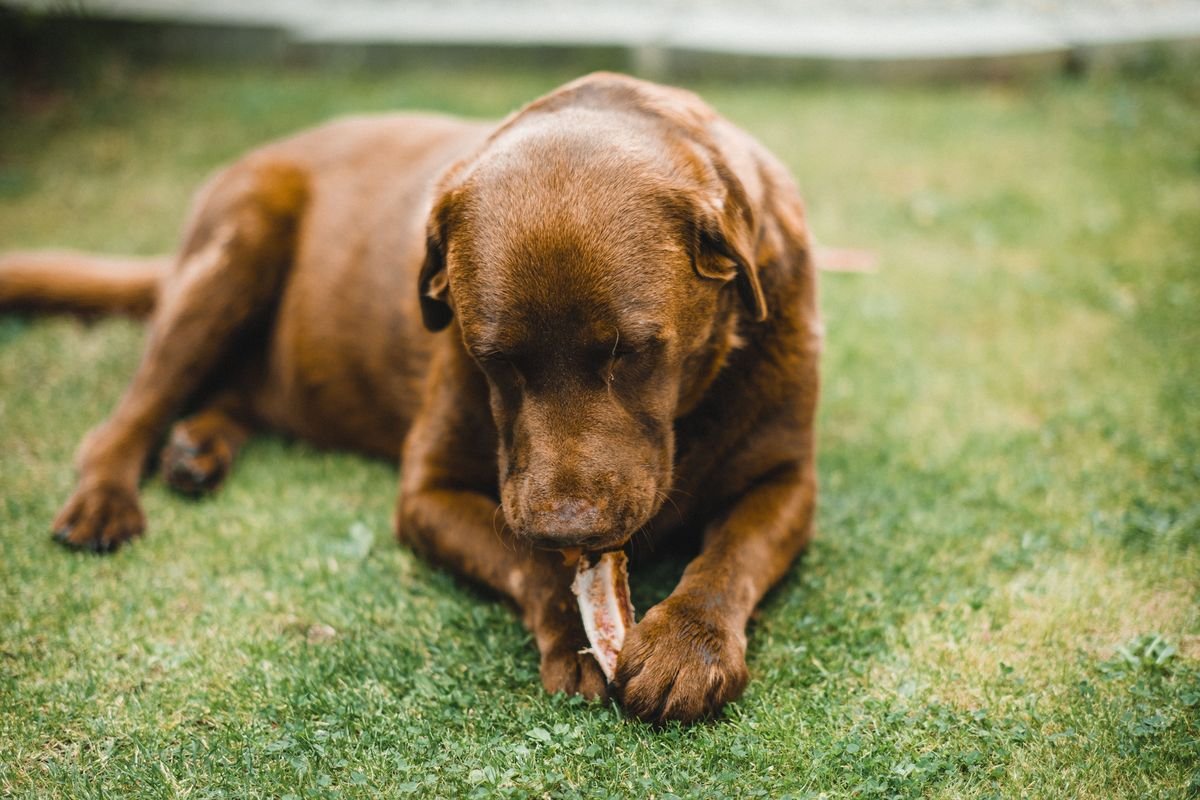
Many dog owners love to share table scraps with their furry friends, and lamb bones might seem like a natural treat. But can dogs eat cooked lamb bones safely? The short answer is no. Cooked lamb bones pose serious health risks and should never be given to dogs.
Cooking changes the structure of bones, making them brittle and prone to splintering. Unlike raw bones, which are more flexible and digestible, cooked bones can easily break into sharp fragments. These fragments can cause injuries in your dog’s mouth, throat, stomach, or intestines. Understanding the dangers will help you keep your pet safe and happy.
Why Cooked Lamb Bones Are Dangerous
Cooked lamb bones are hazardous for several reasons. The cooking process removes moisture and alters the bone’s collagen structure, turning it into a hard, brittle material. When a dog chews a cooked bone, it can shatter into sharp, needle-like pieces. These shards can cause immediate injury or become lodged in the digestive tract.
Here are the primary risks associated with cooked lamb bones:
Splintering and Internal Injuries
The most common danger is splintering. Cooked lamb bones can break into small, sharp fragments that may pierce the mouth, tongue, or gums. If swallowed, these splinters can scratch or perforate the esophagus, stomach, or intestines. Perforations are life threatening and require emergency surgery. Even if the fragments pass without perforation, they can cause severe discomfort and gastrointestinal irritation.
Choking Hazard
Bones, especially small or irregularly shaped ones, can become lodged in a dog’s throat. Cooked lamb bones are often the right size to block the airway completely. Choking is a medical emergency that can lead to death within minutes if not promptly addressed. Signs include gagging, pawing at the mouth, difficulty breathing, and blue gums.
Intestinal Blockages
If a dog swallows a large piece of cooked bone, it can cause an intestinal blockage. Symptoms include vomiting, loss of appetite, lethargy, abdominal pain, and constipation or inability to pass stool. Intestinal obstructions often require surgical removal and can be fatal if not treated quickly.
Dental Fractures
Hard cooked bones are much denser than a dog’s teeth. Chewing on them can crack or fracture teeth, especially the large carnassial molars. Dental fractures are painful and may lead to infections. Treatment often involves extraction or root canal procedures, which are costly and stressful for the dog.
What to Do If Your Dog Eats a Cooked Lamb Bone
If your dog has already eaten a cooked lamb bone, do not panic. Your response should depend on the size of the bone and your dog’s condition. Here are the steps to take:
Assess the Situation
Determine how much bone was consumed and whether it was a large or small piece. If your dog is small and the bone was large, the risk increases. Watch for any immediate signs of distress such as choking, coughing, or retching. If your dog seems fine, they might still be at risk for delayed complications.
Monitor for Symptoms
Over the next 24 to 48 hours, watch for signs like vomiting, diarrhea (especially with blood), loss of appetite, lethargy, abdominal bloating, or straining to defecate. If any of these occur, contact your veterinarian immediately. Do not induce vomiting unless specifically instructed by a vet, as sharp bone fragments could cause more damage coming up.
When to Call the Vet
Call your veterinarian or an emergency animal clinic right away if your dog is choking, showing signs of a blockage, has vomited blood, or appears to be in pain. Also seek help if your dog is a small breed or a puppy, as they are more vulnerable. The vet may recommend X-rays or other imaging to locate the bone and decide on treatment.
Safe Alternatives to Cooked Lamb Bones
Instead of cooked bones, offer your dog safer chews that satisfy the urge to gnaw without the risks. Here are some vet-recommended options:
Raw Bones (With Caution)
Raw bones are softer and less likely to splinter than cooked ones. Large raw beef or lamb bones can be given under supervision. Choose bones that are appropriately sized (larger than your dog’s mouth) to prevent swallowing. Always supervise raw bone chewing and discard any bone that becomes too small. Note that raw bones still carry a risk of bacterial contamination like Salmonella, so handle them carefully.
Bully Sticks and Other Natural Chews
Bully sticks (made from dried bull pizzle) are fully digestible and long-lasting. They provide a similar chewing experience to bones without the hardness. Other options include tendon chews, beef trachea, and collagen sticks. Always check ingredient lists and avoid products with artificial preservatives or flavors.
Dental Chews and Toys
Specially designed dental chews like Greenies or toothbrushing chews can help clean teeth while satisfying the need to chew. Rubber toys like KONGs can be stuffed with peanut butter or soft treats for a safe, engaging activity. Nylon bones or antlers are harder and should be given with caution; they are not suitable for aggressive chewers who might break teeth.
Final Verdict: Can Dogs Eat Cooked Lamb Bones?
The clear answer is no. Cooked lamb bones are dangerous and offer no nutritional benefit that outweighs the risks. The potential for splintering, choking, blockages, and dental damage makes them an unsafe treat for dogs of any size or breed. If you want to give your dog a bone, stick with raw options under supervision, or choose safer commercially prepared chews. Your dog’s health and safety should always come first.