
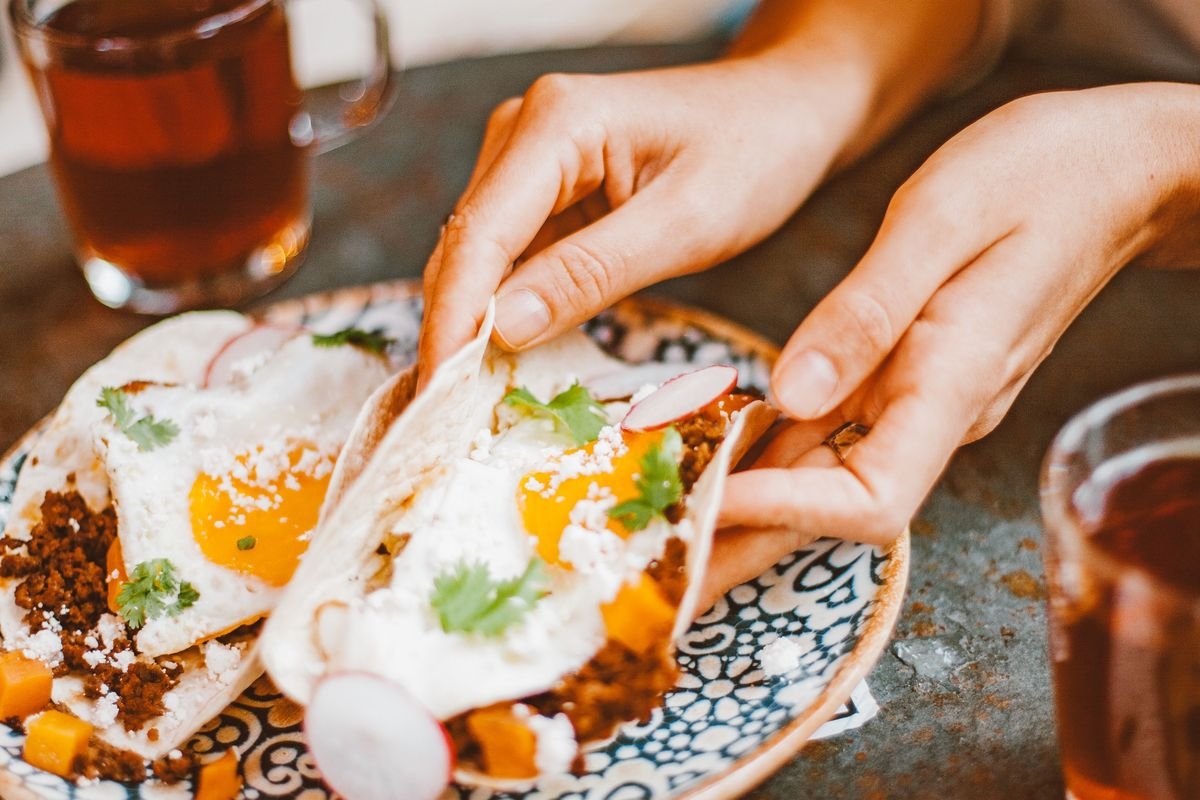
Many dog owners love sharing table scraps with their furry friends, but not all human foods are safe. If you are preparing a breakfast of chorizo and eggs, you might wonder: can dogs eat chorizo and eggs? The short answer is that while plain cooked eggs can be a healthy treat for dogs, chorizo poses several risks due to its high fat, salt, and spice content. This article breaks down the potential dangers and benefits, so you can make an informed decision for your pup.
Understanding the Risks of Chorizo for Dogs
Chorizo is a highly seasoned pork sausage that is popular in many cuisines. However, its ingredients can be harmful to dogs.
High Fat Content: Chorizo is very high in fat, which can lead to pancreatitis in dogs, especially in breeds prone to the condition. Pancreatitis is a painful inflammation of the pancreas that requires veterinary treatment. Even a small amount of chorizo can trigger an episode in sensitive dogs.
Excessive Salt and Spices: Chorizo is loaded with salt, garlic, and onion powder. Garlic and onions are toxic to dogs and can damage red blood cells, leading to anemia. The high salt content can cause sodium ion poisoning, with symptoms like vomiting, diarrhea, and in severe cases, seizures.
Preservatives and Additives: Many commercial chorizos contain preservatives like nitrates and nitrites, which are linked to cancer in both humans and pets. Spices such as paprika and chili powder can irritate a dog’s digestive system.
Are Eggs Safe for Dogs?
Plain cooked eggs are generally safe and nutritious for dogs. They are an excellent source of protein, vitamins, and healthy fats.
Benefits of Eggs for Dogs: Eggs contain essential amino acids that support muscle development, as well as vitamins A, B12, and riboflavin. The yolks are rich in biotin, which promotes healthy skin and coat. Eggs also provide fatty acids that benefit a dog’s immune system.
How to Safely Feed Eggs to Dogs: Eggs should be fully cooked (boiled, scrambled, or poached) without any added salt, butter, oil, or seasonings. Raw eggs pose a risk of salmonella and biotin deficiency due to avidin in egg whites. Always serve eggs plain and in moderation, as too many can contribute to weight gain.
Can Dogs Eat Eggshells? Eggshells are a source of calcium but must be ground into a fine powder to prevent choking or digestive issues. Consult your vet before adding eggshells to your dog’s diet.
Can Dogs Eat Chorizo and Eggs Together?
Although eggs alone are safe, mixing them with chorizo creates a risky combination. The chorizo introduces harmful ingredients that can negate any health benefits from the eggs.
If you cook chorizo and eggs together, the eggs absorb the fat, salt, and spices from the chorizo. Feeding this mixture to your dog means they ingest all the toxins and irritants present in the chorizo. Even if you pick out the chorizo pieces, the eggs are still contaminated.
Therefore, it is not recommended to feed your dog chorizo and eggs as a meal or treat. The potential for pancreatitis, gastrointestinal upset, and toxicity outweighs any benefit.
Safe Alternatives and Feeding Guidelines
Instead of chorizo and eggs, consider healthier options that still provide protein and variety.
Plain Cooked Eggs: Offer your dog a small portion of scrambled or boiled eggs without any seasoning. This is a safe and nutritious treat. Start with a teaspoon-sized amount for small dogs and a tablespoon for larger breeds.
Lean Meats: Cooked, unseasoned chicken, turkey, or lean beef are excellent alternatives. Remove skin and bones before serving. These meats provide protein without the excess fat and spices.
Veggies and Fruits: Many dogs enjoy vegetables like green beans, carrots, or pumpkin (cooked plain) and fruits like apple slices (without seeds) or blueberries. These add fiber and vitamins to their diet.
Commercial Dog Treats: If you want a special treat, purchase high-quality dog treats that are formulated for canine health. They avoid the risks associated with human foods.
Always Consult Your Vet: Before introducing any new food into your dog’s diet, especially if your dog has health conditions like pancreatitis, allergies, or obesity, discuss it with your veterinarian. They can provide personalized advice based on your dog’s specific needs.
What to Do If Your Dog Eats Chorizo
If your dog accidentally consumes chorizo, monitor them closely for signs of distress.
Symptoms to Watch For: Gastrointestinal upset such as vomiting, diarrhea, or bloating. More serious signs include lethargy, loss of appetite, abdominal pain, excessive thirst, or signs of pancreatitis like a hunched back or fever.
Immediate Steps: Remove any remaining chorizo from their reach. Offer fresh water to help flush out excess salt. Do not induce vomiting unless instructed by a vet.
When to Call the Vet: If your dog shows any concerning symptoms, especially if they are small, old, or have a history of health issues. Contact your veterinarian or an emergency animal poison control hotline for guidance. Keep the packaging of the chorizo handy to provide ingredient information.
Preventing Accidental Ingestion
The best way to protect your dog is to keep chorizo and other seasoned meats out of reach. Store food in sealed containers and never leave plates unattended. Train family members and guests not to feed table scraps to your dog without your approval. If you want to share breakfast with your dog, prepare a separate batch of plain eggs just for them.