
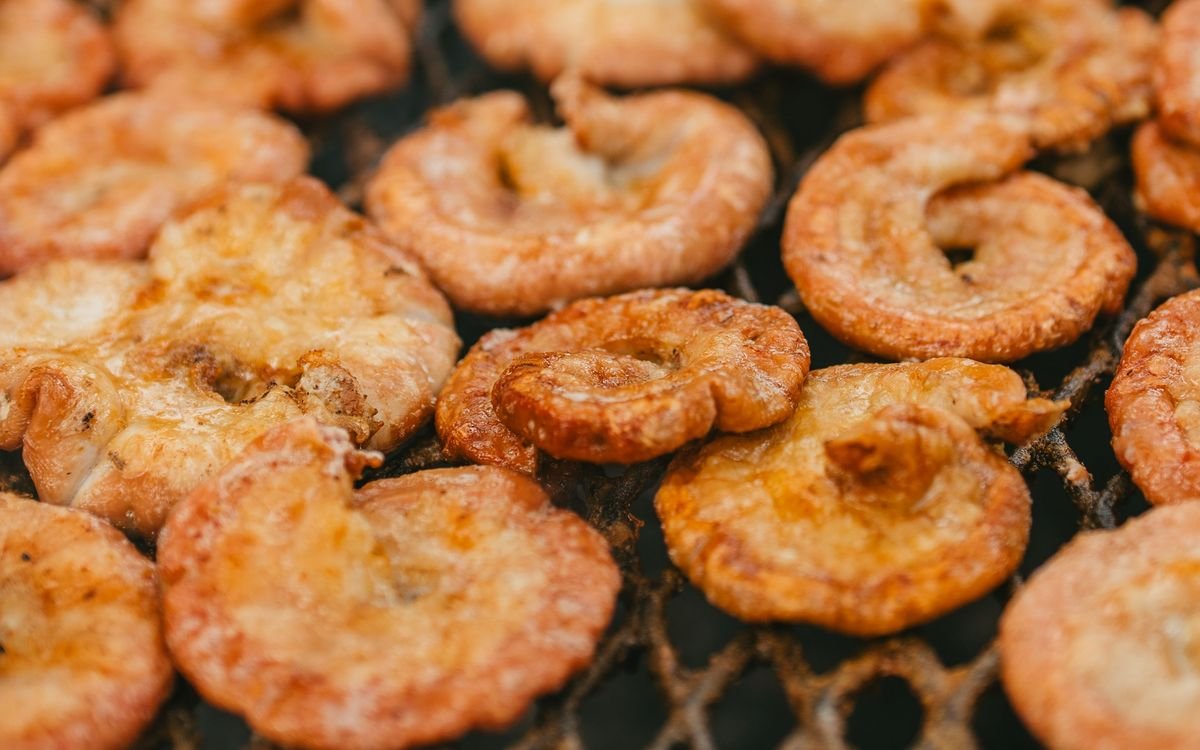
Chicharron is a popular snack made from fried pork skin. It is crunchy, flavorful, and often eaten by humans as a treat or side dish. But if you are a dog owner, you may wonder whether your furry friend can safely enjoy this crispy snack. The short answer is that chicharron is not recommended for dogs. While a small piece of plain chicharron may not cause immediate harm, there are several health risks to consider. This article explores the nutritional profile of chicharron, the potential dangers it poses to dogs, and healthier alternatives you can offer instead.
What Is Chicharron?
Chicharron is a dish made from fried pork skin, sometimes with a layer of fat attached. It is popular in many Latin American cuisines and has variations across countries. In some regions, chicharron refers to fried pork belly or even chicken skin. However, in the United States, chicharron is most commonly associated with pork rinds, which are fried or roasted pig skin. The cooking process results in a light, airy, and crispy texture. Commercial chicharron may be seasoned with salt, spices, or artificial flavors to enhance taste.
Because chicharron is derived from animal skin, it is a source of protein but also contains high amounts of fat and sodium. Understanding what chicharron is made of helps clarify why it poses risks for dogs.
Nutritional Profile of Chicharron
A one-ounce serving of plain pork rinds (a common form of chicharron) typically contains around 150 calories, 9 grams of fat, and 500-600 milligrams of sodium. It also provides about 9 grams of protein. While the protein content might seem beneficial, the high fat and sodium levels are concerning for dogs. Dogs have different nutritional needs compared to humans, and their bodies are not adapted to handle high amounts of salt and saturated fat. Regular consumption of chicharron can lead to obesity, pancreatitis, and heart issues in dogs.
Moreover, most commercial chicharron products are highly processed and may contain preservatives or additives that are not dog-friendly. Even if the chicharron is homemade, the frying process adds significant fat, making it an unhealthy choice for your pet.
Potential Risks of Feeding Chicharron to Dogs
Feeding chicharron to your dog, even in small amounts, can lead to several health problems. Below are the main concerns broken down into specific categories.
High Fat Content
Dogs that consume foods high in fat, like chicharron, are at risk of developing pancreatitis, a painful inflammation of the pancreas. Symptoms include vomiting, diarrhea, lethargy, and abdominal pain. Pancreatitis can become severe and require veterinary treatment. Even a single fatty meal can trigger an episode in predisposed dogs. Additionally, a high-fat diet contributes to obesity, which is linked to joint problems, diabetes, and reduced lifespan.
High Sodium Content
Chicharron is typically heavily salted. Dogs that eat too much salt can suffer from sodium ion poisoning. Signs include excessive thirst, urination, vomiting, diarrhea, tremors, seizures, and in severe cases, coma or death. While a small piece might not reach toxic levels, consistent feeding can lead to chronic hypertension and kidney strain. Dogs with existing heart or kidney conditions are especially vulnerable.
Seasonings and Spices
Many chicharron varieties are flavored with spices like garlic powder, onion powder, chili, or artificial seasonings. Garlic and onion, in any form, are toxic to dogs and can damage red blood cells, leading to anemia. Other spices may cause gastrointestinal upset or allergic reactions. Even if the chicharron looks plain, cross-contamination with seasonings during manufacturing is possible.
Choking and Digestive Issues
Chicharron is crispy and can break into sharp pieces that pose a choking hazard, especially for small dogs or those that gulp food without chewing. The hard texture can also cause dental fractures or irritate the mouth and throat. Once swallowed, chicharron may be difficult to digest due to its high fat content, potentially causing stomach upset, vomiting, or diarrhea.
Can Dogs Eat Chicharron in Any Form?
While no form of chicharron is recommended for dogs, some variations are riskier than others. Understanding the differences can help you make an informed choice if you ever consider giving a tiny piece.
Plain vs Flavored Chicharron
Plain chicharron (without added seasonings) is less dangerous than flavored versions. However, it still contains high fat and salt. The occasional tiny piece of plain, unseasoned pork rind might pass without issue, but it offers no nutritional benefit and is not worth the risk. Flavored chicharron should be avoided entirely due to toxic ingredients like onion and garlic powder.
Pork Rinds vs Traditional Chicharron
In some cultures, chicharron includes not only the skin but also a layer of fat or meat. These versions are even fattier and may contain bones or cartilage that can splinter. Pork rinds (the skin-only version) are slightly lower in calories but still problematic. Neither is safe for regular feeding.
Safe Alternatives to Chicharron
If your dog enjoys crunchy treats, there are many healthier options that satisfy that craving without the risks of chicharron. Consider offering:
– Dehydrated or freeze-dried meat treats (like chicken, beef, or liver) that are low in fat and free of additives.
– Carrot sticks or apple slices (without seeds) for a crunchy, low-calorie snack.
– Commercially available dog dental chews that help clean teeth and are formulated for canine nutrition.
– Plain, air-popped popcorn (unsalted, unbuttered) in moderation.
– Homemade baked sweet potato slices for a chewy yet crunchy alternative.
Always introduce new treats gradually and in small amounts to monitor your dog’s reaction.
What to Do If Your Dog Eats Chicharron
If your dog accidentally eats a small piece of plain chicharron, do not panic. Observe your dog for any signs of distress, such as vomiting, diarrhea, excessive thirst, or lethargy. Offer fresh water to help flush out excess salt. If your dog consumes a large amount or shows concerning symptoms, contact your veterinarian immediately.
For dogs that have eaten flavored chicharron containing garlic or onion, or if the chicharron was heavily salted, veterinary advice is recommended even if symptoms are not yet visible. Your vet may induce vomiting or provide supportive care to prevent complications.
Prevention is key: store chicharron out of reach and educate family members not to share table scraps with the dog.
Final Thoughts
Chicharron is not a suitable treat for dogs. The combination of high fat, high sodium, and potential seasonings poses multiple health risks that outweigh any possible enjoyment. While an accidental small bite of plain chicharron may not cause harm, it is best to avoid feeding it intentionally. Instead, choose safe, dog-approved crunchy treats that support your pet’s well-being. Always consult your veterinarian before introducing new foods into your dog’s diet.