
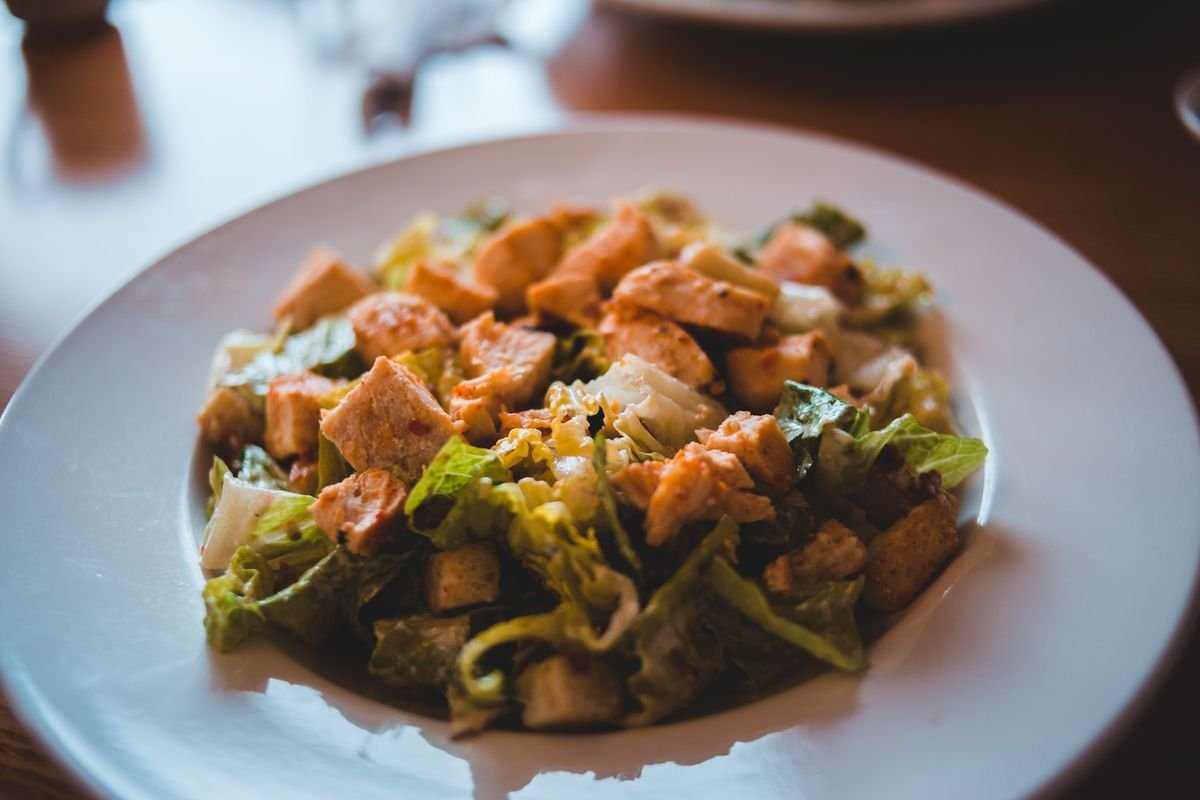
Caesar salad is a popular dish enjoyed by many, but if you’re a dog owner, you might wonder whether sharing a bite is safe. The short answer is no, dogs should not eat Caesar salad. While some components like plain lettuce or cooked chicken are safe in small amounts, other ingredients such as garlic, onion, and certain dressings can be toxic or cause digestive upset.
In this article, we’ll break down each ingredient in a typical Caesar salad, explain the risks, and offer healthier alternatives for your furry friend.
What Is in Caesar Salad?
A classic Caesar salad typically includes romaine lettuce, Caesar dressing (made with garlic, anchovies, parmesan cheese, lemon juice, olive oil, egg yolks, and sometimes Worcestershire sauce), croutons, and shaved parmesan cheese. Many variations also add grilled chicken, bacon, or other toppings.
Each of these ingredients poses potential risks to dogs, some more serious than others. Understanding what goes into the salad is the first step in recognizing why it’s not dog-friendly.
Can Dogs Eat Caesar Salad?
Strictly speaking, no, dogs should not eat Caesar salad. The combination of ingredients makes it unsafe, even in small amounts. However, a few individual components could be safe if served separately and in moderation. Let’s examine each part.
Romaine Lettuce
Plain romaine lettuce is not toxic to dogs. It contains water, fiber, and some vitamins. In small, chopped pieces, it can be a low-calorie treat. However, large amounts may cause diarrhea, especially if your dog is not used to vegetables.
Grilled Chicken
Plain, boneless, skinless grilled chicken is a common ingredient in dog food and treats. If the chicken in the salad is unseasoned and cooked without garlic or onion, it is safe for dogs. But Caesar salad chicken is often seasoned with garlic and salt, which is problematic.
Caesar Dressing
Caesar dressing is the most dangerous part. It almost always contains garlic, which is toxic to dogs. Garlic can cause oxidative damage to red blood cells, leading to anemia. Onion is sometimes included and is also toxic. Additionally, the high fat content from oil and egg yolks can cause pancreatitis or upset stomach.
Croutons
Croutons are small pieces of bread that are toasted and often seasoned with garlic or onion powder. While plain bread is not toxic, seasoned croutons carry the same risks as dressing. Even without seasoning, croutons are high in carbs and offer no nutritional value for dogs.
Parmesan Cheese
Parmesan cheese is generally safe for dogs in tiny amounts. It is low in lactose, so most dogs tolerate it well. However, it is high in sodium and fat, so it should only be an occasional treat. In Caesar salad, the cheese is often mixed with dressing, making it unsafe.
Risks of Feeding Caesar Salad to Dogs
Feeding your dog Caesar salad can lead to several health issues, ranging from mild digestive upset to serious toxicity. The primary risks come from garlic and onion, high fat content, and high sodium.
Garlic and Onion Toxicity
Garlic and onion belong to the Allium family, which is toxic to dogs. They contain compounds that damage red blood cells, potentially causing hemolytic anemia. Symptoms include lethargy, pale gums, vomiting, diarrhea, and weakness. Even small amounts of garlic powder in dressing can be harmful, especially for smaller dogs.
Pancreatitis from High Fat
Caesar dressing and bacon (if included) are high in fat. A sudden high-fat meal can trigger pancreatitis, a painful inflammation of the pancreas. Symptoms include vomiting, abdominal pain, loss of appetite, and fever. Dogs with a history of pancreatitis or those prone to it should avoid all fatty human foods.
Digestive Upset from Dairy and Fiber
While parmesan is low in lactose, some dogs are still sensitive. Large amounts of cheese can cause gas, bloating, or diarrhea. Additionally, the fiber in lettuce, if eaten in large quantities, can cause loose stools.
Salt and Seasonings
Caesar dressing and croutons often contain added salt. High sodium intake can lead to excessive thirst, urination, and even sodium ion poisoning in extreme cases. Other seasonings like black pepper may also irritate a dog’s digestive system.
What to Do If Your Dog Eats Caesar Salad
If your dog has eaten a small amount of Caesar salad, monitor them closely. For a few bites, the most likely outcome is mild stomach upset. However, if the salad contained significant garlic or onion, or if your dog is very small, contact your veterinarian or a pet poison helpline immediately.
Signs of garlic or onion poisoning can take a few days to appear. Watch for vomiting, diarrhea, lethargy, pale gums, or rapid breathing. If you notice any of these, seek veterinary care. Your vet may induce vomiting or administer activated charcoal if the ingestion was recent.
Healthy Alternatives to Caesar Salad for Dogs
Instead of Caesar salad, consider offering your dog dog-safe vegetables or lean proteins. Some safe options include:
– Plain, cooked chicken or turkey (unseasoned)
– Steamed green beans
– Baby carrots (raw or steamed)
– Slices of cucumber
– Plain, unsalted rice cakes (in small pieces)
You can also make a homemade dog-safe salad using romaine lettuce, a few pieces of plain chicken, and a tiny sprinkle of shredded carrot. Skip the dressing entirely. Always introduce new foods gradually and in moderation.