
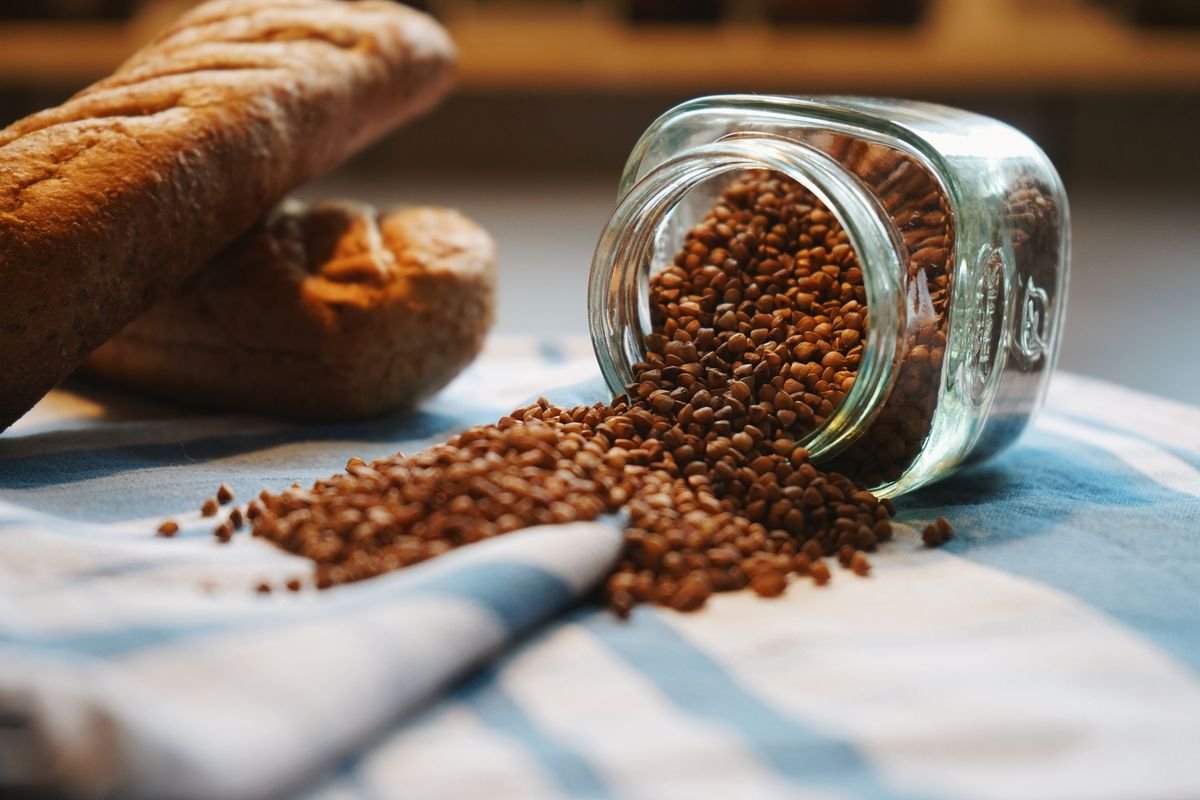
Buckwheat is a nutritious pseudo-cereal often found in human diets, but can dogs eat it too? The short answer is yes, buckwheat is safe for dogs when prepared properly. It offers several health benefits, including fiber, protein, and essential minerals, and is naturally gluten-free. However, like any new food, it should be introduced gradually and served in moderation to avoid digestive upset. In this article, we will explore the scientific evidence, potential risks, and best practices for incorporating buckwheat into your dog’s diet.
Whether you are considering buckwheat groats, flour, or noodles, understanding the correct preparation and portion sizes is key to keeping your canine companion healthy and happy.
Nutritional Benefits of Buckwheat for Dogs
Buckwheat is packed with nutrients that can support your dog’s overall health. It is not a true cereal grain but a seed, which makes it a great alternative for dogs with grain sensitivities or allergies. Below are some of the key nutritional advantages.
Rich in Fiber and Protein
Buckwheat provides a good amount of dietary fiber, which aids in digestion and helps maintain regular bowel movements. The fiber content can also promote a feeling of fullness, which may help with weight management in dogs. Additionally, buckwheat is one of the few plant-based sources of complete protein, containing all nine essential amino acids. This is particularly beneficial for dogs on vegetarian diets or those with protein allergies.
Loaded with Essential Minerals
This pseudo-cereal is rich in minerals like magnesium, manganese, copper, and iron. Magnesium supports muscle and nerve function, while iron is crucial for healthy red blood cells. Manganese contributes to bone health and metabolism. These minerals, when included as part of a balanced diet, can help fill nutritional gaps.
Gluten-Free Grain Alternative
Buckwheat is naturally gluten-free, making it a safe carbohydrate option for dogs with celiac disease or gluten intolerance. It can be used as a substitute for wheat, barley, or rye in homemade dog food recipes. Many commercial gluten-free dog foods also include buckwheat as a primary ingredient.
Potential Risks and Concerns
While buckwheat is generally safe, there are a few considerations every dog owner should keep in mind. Feeding too much or preparing it incorrectly can lead to problems.
Digestive Upset When Overfed
Introducing any new food in large amounts can cause gastrointestinal upset, including diarrhea, gas, or bloating. Start with a small portion (e.g., a teaspoon for small dogs) and gradually increase if your dog tolerates it well. Buckwheat is high in fiber, so too much at once may lead to digestive discomfort.
Allergic Reactions (Rare)
True allergies to buckwheat are uncommon in dogs, but they can occur. Symptoms may include itching, skin rashes, ear infections, or gastrointestinal issues. If you notice any adverse reactions after feeding buckwheat, discontinue use and consult your veterinarian.
Preparation Matters: Raw vs Cooked
Raw buckwheat groats are hard and difficult for dogs to digest. Always cook buckwheat thoroughly before serving. Uncooked buckwheat may also contain compounds that can irritate the digestive tract. Soaking and cooking neutralizes these compounds and makes the nutrients more bioavailable.
How to Safely Feed Buckwheat to Your Dog
Follow these guidelines to ensure your dog enjoys buckwheat safely and maximizes its nutritional benefits.
Choose the Right Type of Buckwheat
Whole buckwheat groats or buckwheat flour are the best options for dogs. Avoid buckwheat products that contain added salt, sugar, spices, or other seasonings. Also steer clear of buckwheat honey, as raw honey can pose a risk of botulism in dogs, and processed honey may contain added sugars.
Cook Buckwheat Thoroughly and Avoid Seasonings
Rinse the groats, then cook them in water or unsalted broth according to package instructions (usually a 2:1 liquid-to-groat ratio). Do not add butter, oil, salt, or any other human seasonings. Plain cooked buckwheat is the safest option. Let it cool before serving.
Serve Appropriate Portions
Buckwheat should be an occasional treat or supplement, not a staple. A general rule is to keep treats under 10% of your dog’s daily caloric intake. For a small dog, 1-2 tablespoons of cooked buckwheat is enough. For larger breeds, up to 1/4 cup is reasonable. Adjust based on your dog’s size, activity level, and dietary needs.
Simple Serving Ideas
Mix cooked buckwheat into your dog’s regular food (wet or dry) for added fiber and texture. You can also make a simple dog-friendly buckwheat porridge by mixing it with plain yogurt or pumpkin puree. Some owners use buckwheat flour to make homemade dog biscuits or treats.
Frequently Asked Questions About Dogs and Buckwheat
Here are answers to common queries about feeding buckwheat to dogs.
Can dogs eat buckwheat pancakes?
Plain buckwheat pancakes made without butter, syrup, or toppings can be okay in very small amounts. However, most pancake recipes include milk, eggs, and possibly sugar or additives that may not be ideal for dogs. It is safer to serve plain cooked buckwheat groats instead.
Is buckwheat honey safe for dogs?
Buckwheat honey is not recommended for dogs. Raw honey can contain Clostridium botulinum spores, which are dangerous for puppies and dogs with compromised immune systems. Additionally, honey is high in sugar and can contribute to obesity and dental problems.
Buckwheat vs rice for dogs: which is better?
Both can be part of a healthy diet, but buckwheat offers more protein and fiber than white rice. Brown rice is a good source of fiber as well. Buckwheat is gluten-free, while rice is not. For dogs with grain allergies, buckwheat is the better choice. For bland diets after stomach upset, white rice is traditionally preferred because it is easy to digest. Choose based on your dog’s specific needs.