
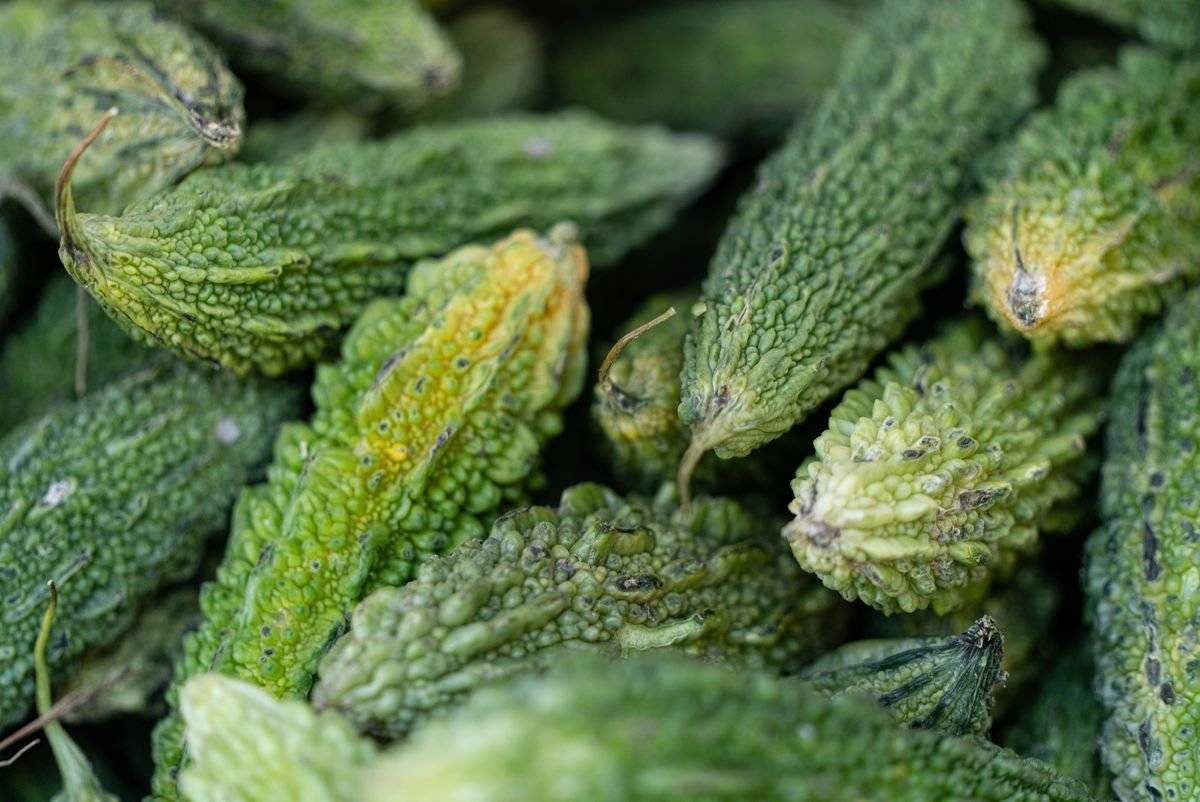
Many dog owners wonder if they can share bitter gourd with their pets. This vegetable is known for its strong bitter taste and potential health benefits in humans. But is it safe for dogs?
The short answer is yes, but with important caveats. Bitter gourd is not toxic to dogs, but it should be fed in small amounts and prepared properly. Some dogs may experience digestive upset, and the intense bitterness can be off-putting. This article covers everything you need to know before offering bitter gourd to your furry friend.
Is Bitter Gourd Safe for Dogs?
Bitter gourd, also known as bitter melon, is not toxic to dogs. It belongs to the squash family and contains compounds like momordicin and charantin that give it its bitter taste. These compounds can be beneficial in moderation but may cause digestive issues if overfed.
Veterinarians generally agree that small, occasional amounts of properly prepared bitter gourd are safe for healthy dogs. However, dogs with certain health conditions should avoid it. Always introduce any new food slowly and watch for signs of intolerance.
Potential Health Benefits of Bitter Gourd for Dogs
Bitter gourd offers several nutrients that can support your dog’s health when fed as an occasional treat. The key is moderation and proper preparation.
Rich in Vitamins and Minerals
Bitter gourd is a good source of vitamin C, vitamin A, potassium, and iron. Vitamin C can support the immune system, while vitamin A is important for vision and skin health. Potassium helps with nerve function and muscle contraction.
These nutrients are already present in a balanced dog diet, so bitter gourd should only complement, not replace, regular food.
Blood Sugar Regulation
Bitter gourd contains compounds that may help lower blood sugar levels in humans. Some studies suggest similar effects in dogs. For dogs with diabetes or insulin resistance, bitter gourd might offer mild support.
However, never use bitter gourd as a substitute for veterinary treatment. Consult your vet before feeding it to a diabetic dog, as it could interact with insulin.
Anti-Inflammatory and Antioxidant Properties
The antioxidants in bitter gourd can help neutralize free radicals and reduce oxidative stress. This may benefit older dogs or those with inflammatory conditions like arthritis.
Again, these effects are modest and should not replace prescribed medications or a balanced diet.
Risks and Precautions
While bitter gourd is generally safe, there are several risks to consider before feeding it to your dog. Understanding these will help you make an informed decision.
Digestive Upset
Bitter gourd can cause gastrointestinal issues such as vomiting, diarrhea, or gas, especially if given in large amounts or to a dog with a sensitive stomach. The bitter compounds can irritate the digestive tract.
Start with a tiny piece to see how your dog reacts. If any adverse effects occur, discontinue feeding and consult your vet.
Bitterness and Palatability
Most dogs find bitter gourd extremely unpalatable. They may refuse to eat it or show signs of dislike. Forcing a dog to eat something bitter can create negative associations with food.
If your dog refuses, do not force it. There are many other vegetables that are safer and more enjoyable for dogs.
Seeds and Skin
The seeds of bitter gourd can pose a choking hazard, especially for small dogs. The skin is tough and can be difficult to digest. Remove both seeds and skin before offering the flesh.
Always wash the gourd thoroughly to remove pesticides and cut it into small, manageable pieces.
How to Safely Feed Bitter Gourd to Your Dog
If you decide to give your dog a taste of bitter gourd, follow these steps to minimize risks. Preparation is key to making it safe and more palatable.
Proper Preparation
Wash the bitter gourd to remove dirt and residues. Cut it open and remove all seeds and the inner pith. Peel the tough outer skin. Then slice the flesh into thin, bite-sized pieces.
Cooking can reduce bitterness and improve digestibility. Steaming or boiling for a few minutes until soft is recommended. Do not add salt, oil, spices, or seasonings, as these can be harmful to dogs.
Serving Size and Frequency
For small dogs, a single slice about the size of a pea is enough for a first taste. For medium to large dogs, up to one tablespoon of cooked, chopped bitter gourd is a reasonable treat.
Limit feeding to once or twice a week at most. Bitter gourd should never make up more than 10% of your dog’s daily caloric intake. Treats in general should be limited.
Healthier Vegetable Alternatives
If your dog dislikes bitter gourd or you prefer to avoid the risk, many other vegetables are safe and nutritious. Carrots, green beans, cucumbers, and pumpkin are excellent choices.
These alternatives are more palatable and easier on the digestive system. They also provide a variety of vitamins and fiber without the intense bitterness. Always introduce any new vegetable gradually.