
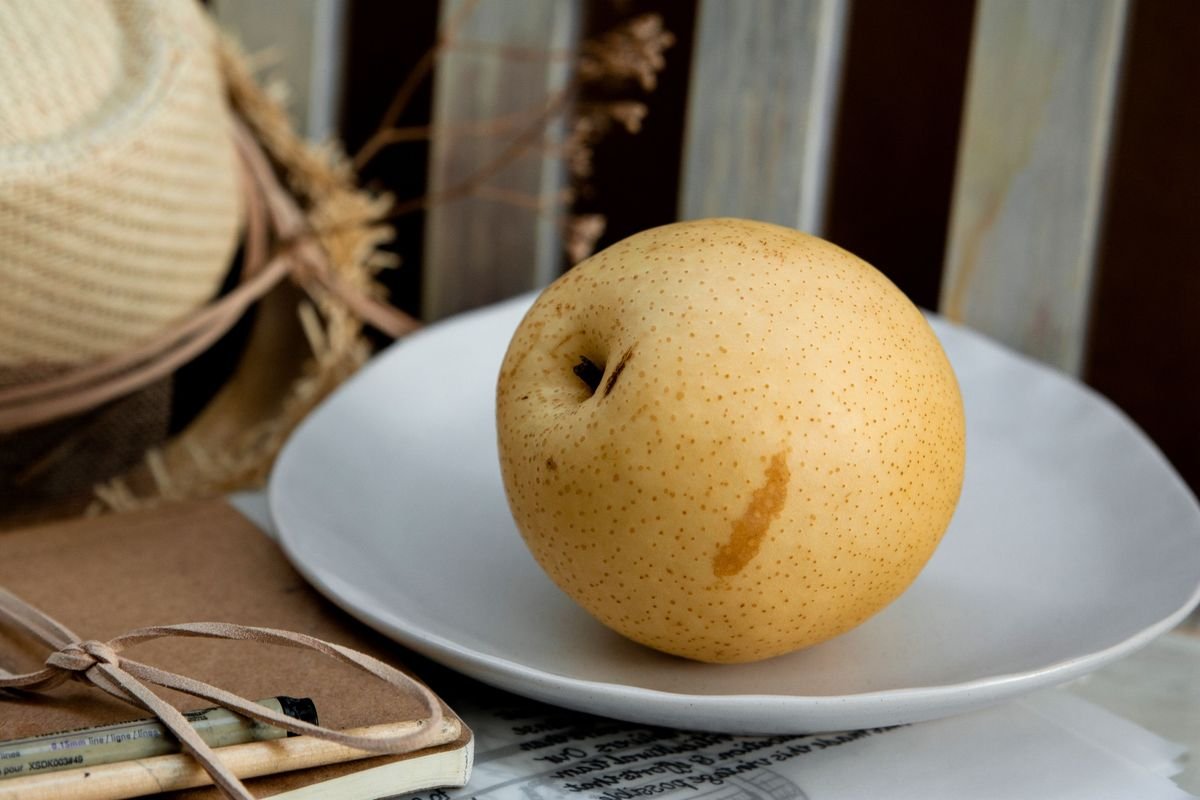
Asian pears, also known as apple pears or nashi, are a crunchy, sweet fruit that many people enjoy. If you have a dog, you may wonder whether sharing this treat is safe. The good news is that Asian pears are generally non-toxic to dogs and can be a healthy snack when fed in moderation.
However, there are important precautions to consider. As with any human food, you need to prepare the fruit properly and watch for potential risks. This article covers everything you need to know about feeding Asian pears to your dog, from health benefits to safety tips.
Are Asian Pears Safe for Dogs?
The short answer is yes, Asian pears are safe for dogs to eat in small, prepared amounts. The flesh of the fruit is not toxic to canines. In fact, Asian pears are often considered a healthier alternative to many processed dog treats because they contain natural nutrients and no added sugars or preservatives.
That said, safety depends on how you serve them. The seeds, core, and stem should always be removed before offering the fruit to your dog. Additionally, overfeeding can lead to digestive problems due to the fiber and sugar content. Always introduce new foods gradually.
The Short Answer
Yes, but only the flesh, and only in moderation. Remove all seeds and the hard core first. Cut the pear into small, bite-sized pieces to prevent choking. If your dog has diabetes or a weight issue, consult your vet before adding fruit to their diet.
Health Benefits of Asian Pears for Dogs
Asian pears offer several nutritional benefits that can support your dog’s health when fed as an occasional treat. They are low in calories and fat, making them a good option for dogs who need to watch their weight. The fruit also contains vitamins and fiber that contribute to overall wellness.
Rich in Fiber
Dietary fiber aids digestion and helps regulate bowel movements. A small amount of Asian pear can help dogs who experience mild constipation. However, too much fiber can have the opposite effect, so keep portions small.
Source of Vitamin C
Vitamin C is an antioxidant that supports the immune system. While dogs produce their own vitamin C, extra amounts from food can be beneficial, especially for older dogs or those under stress. Asian pears provide a modest boost of this vitamin.
Low in Calories
Asian pears are naturally low in calories compared to many commercial dog treats. This makes them a great option for training rewards or as a guilt-free snack. Just remember to account for the calories in your dog’s daily intake.
Potential Risks and Precautions
While Asian pears are safe overall, there are several risks to keep in mind. Understanding these will help you avoid accidents and health issues.
Choking Hazard
Asian pears are firm and crunchy, which can pose a choking risk, especially for small dogs or those who gulp their food. Always cut the pear into small, manageable cubes no larger than your dog’s kibble size. Supervise your dog while they eat.
Sugar Content
Like most fruits, Asian pears contain natural sugars. While not harmful in small amounts, excessive sugar can contribute to obesity and dental problems. Dogs with diabetes or insulin resistance should avoid sugary fruits altogether unless approved by a veterinarian.
Seeds and Core
The seeds of Asian pears contain trace amounts of cyanide compounds. In small quantities, they are unlikely to cause harm, but it is best to remove them to eliminate any risk. The core is tough and can be difficult to digest, so discard it as well.
Digestive Upset
Introducing any new food can upset your dog’s stomach. Start with a tiny piece and watch for signs of diarrhea, vomiting, or gas. If your dog has a sensitive stomach, you may want to choose a different treat or consult your vet.
How to Safely Feed Asian Pears to Your Dog
Follow these simple steps to prepare Asian pears for your dog safely.
Preparation Steps
Start by washing the pear thoroughly to remove any pesticides or dirt. Cut the pear in half and remove the core, seeds, and stem. Then slice the flesh into small, bite-sized pieces. You can leave the skin on if you wish (see below), but some dogs may prefer it peeled.
Serving Size Guidelines
For small dogs (under 20 pounds), limit to one or two small cubes per day. Medium to large dogs can have up to a quarter of a medium-sized pear. Treats should not make up more than 10% of your dog’s daily caloric intake. Adjust based on your dog’s size and activity level.
When to Avoid
Do not feed Asian pears to dogs with known fruit allergies, diabetes, or pancreatitis without veterinary approval. Also avoid canned Asian pears, which often contain added syrups and preservatives. Stick to fresh, raw fruit only.
Can Dogs Eat Asian Pear Skin?
Yes, the skin of an Asian pear is safe for dogs to eat. It contains additional fiber and nutrients. However, the skin can be tough and may be harder to digest for some dogs. If your dog has a sensitive stomach, peeling the pear may reduce the risk of digestive upset.
Pros and Cons
The pros of keeping the skin include extra fiber and a slightly more nutritious treat. The cons are that the skin may be more difficult to chew for small dogs, and it could harbor more pesticide residue if not washed thoroughly. Decide based on your dog’s preferences and your comfort level.
Asian Pears vs. Regular Pears
Both Asian pears and regular European pears (like Bartlett or Bosc) are safe for dogs when prepared properly. The main differences are texture and sugar content.
Differences
Asian pears are crisper and less juicy than regular pears. They have a slightly higher sugar content and a milder flavor. Regular pears are softer when ripe, which may be easier for some dogs to eat. Both should be deseeded and cored. There is no significant nutritional advantage of one over the other for dogs.
Final Verdict
Asian pears can be a safe and healthy occasional treat for most dogs. They provide fiber, vitamin C, and a satisfying crunch that many dogs love. Just remember to prepare them properly by removing the core and seeds, cutting into small pieces, and feeding in moderation.
If you have any concerns about your dog’s health or diet, always consult your veterinarian before introducing new foods. When fed responsibly, Asian pears are a wonderful addition to your dog’s treat rotation.