
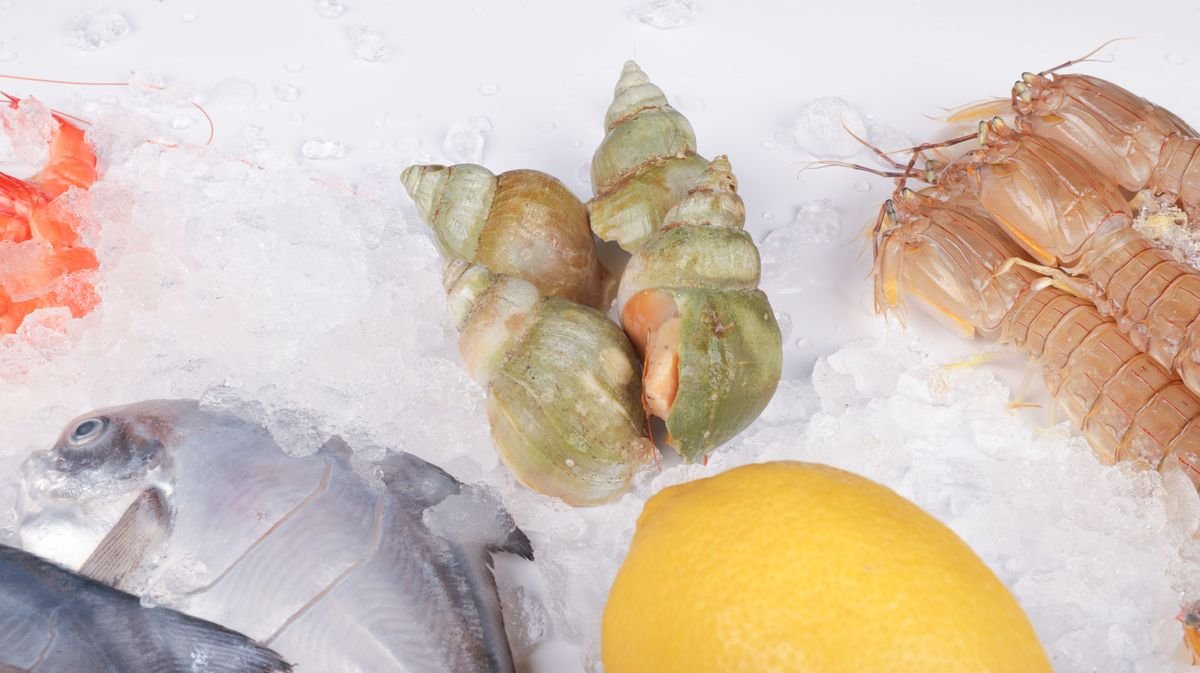
Shrimp is a popular seafood enjoyed by many people, but what about our dogs? You might have seen your dog eyeing your shrimp scampi or heard that shrimp tails can be a good source of nutrients. But are shrimp tails actually good for dogs? The answer is not straightforward. While shrimp meat can be a healthy occasional treat, the tails present several potential risks that every dog owner should understand.
Shrimp tails are made of a tough, chitin-based material that is difficult for dogs to digest. They can also pose a choking hazard or cause gastrointestinal blockages. However, some dogs may chew them thoroughly and pass them without issue. This article will explore the nutritional content, potential dangers, and best practices for feeding shrimp tails to your dog. Always consult with your veterinarian before introducing new foods into your pet’s diet.
Nutritional Value of Shrimp Tails for Dogs
Shrimp tails are not a significant source of nutrition for dogs. The edible part of shrimp is the meat, which is rich in protein, omega-3 fatty acids, and essential vitamins like B12 and selenium. The tail, however, is primarily composed of chitin, a fibrous substance that provides structural support to the shrimp. Chitin is not digestible by dogs and offers little to no nutritional benefit.
Some proponents claim that chitin can act as a source of fiber, but dogs do not require fiber from such sources. In fact, excessive chitin can cause digestive upset. If you are considering shrimp for your dog, focus on the meat rather than the tail.
Protein and Omega-3s from Shrimp Meat
The real nutritional value of shrimp lies in the meat. Shrimp meat is low in fat and calories but high in protein, making it a lean treat. It also contains omega-3 fatty acids, which support skin, coat, and joint health. Additionally, shrimp provides antioxidants like astaxanthin, which can reduce inflammation. However, these benefits apply only to the meat, not the tail.
Chitin and Its Role in Shrimp Tails
Chitin is a polysaccharide that forms the exoskeleton of crustaceans. It is similar to cellulose in plants and is indigestible by most mammals, including dogs. While some animals, like certain fish and birds, can break down chitin, dogs lack the necessary enzymes. As a result, shrimp tails pass through the digestive tract mostly intact. This can lead to potential problems like blockages or irritation.
Potential Risks of Feeding Shrimp Tails to Dogs
Feeding shrimp tails to dogs comes with several risks that outweigh any possible benefits. The main concerns are choking, intestinal blockages, digestive upset, and allergic reactions. Additionally, if the shrimp tails are seasoned or cooked with oil, butter, or garlic, they can be toxic or cause pancreatitis.
Choking Hazard
Shrimp tails are small but hard and pointed. They can easily become lodged in your dog’s throat, especially in small or enthusiastic eaters. Even if your dog chews its food well, the tail’s shape and texture can pose a risk. Supervision during feeding is crucial, but it is safest to avoid giving whole tails altogether.
Digestive Issues and Blockages
Because chitin is indigestible, shrimp tails can cause gastrointestinal problems. Mild issues include vomiting, diarrhea, or constipation. More severe cases can lead to an intestinal blockage, which requires veterinary intervention. Signs of a blockage include loss of appetite, abdominal pain, straining to defecate, and lethargy. Small dogs and those with sensitive stomachs are at higher risk.
Allergic Reactions
Shellfish allergies are common in dogs, just as in humans. Shrimp is a shellfish, and some dogs may be allergic to it. Symptoms of an allergic reaction can include itching, hives, swelling of the face or ears, excessive licking, and gastrointestinal distress. If your dog has never eaten shrimp before, start with a tiny amount of meat (not the tail) to test for allergies.
Seasonings and Additives
The shrimp tails you offer should be plain, cooked, and unseasoned. Many shrimp dishes contain garlic, onion, salt, butter, or oil, all of which are unhealthy for dogs. Garlic and onion are toxic and can cause anemia. High levels of fat can trigger pancreatitis. Always give only plain, boiled or steamed shrimp tails if you decide to offer them at all.
How to Safely Prepare Shrimp Tails for Your Dog (If You Choose To)
If you still want to give your dog shrimp tails despite the risks, follow these safety guidelines. Remember that many experts recommend avoiding tails entirely. But if you proceed, minimize hazards through proper preparation and supervision.
Cooking Methods
Cook shrimp tails thoroughly by boiling or steaming without any added salt, spices, or oil. Raw shrimp can carry harmful bacteria like salmonella, which is dangerous for both dogs and humans. Cooking kills these pathogens and makes the tail slightly easier to chew, though it does not make it digestible. Never feed raw shrimp tails.
Size and Supervision
Cut the tail into smaller pieces, especially for small dogs. This reduces the choking risk. Always supervise your dog while they eat the tail. Watch for any signs of difficulty swallowing or distress. If your dog tries to swallow the tail whole, take it away immediately. Even with these precautions, the risk remains.
Are Shrimp Tails a Good Treat Option?
Overall, shrimp tails are not a good treat option for dogs. The potential risks of choking, blockages, and digestive issues far outweigh any minimal nutritional value. Instead, consider offering your dog the meat of the shrimp (without the tail) as an occasional treat. Shrimp meat is safe when plain and cooked, and it provides protein and omega-3s. Always remove the shell, tail, and vein before feeding. And limit treats to no more than 10 percent of your dog’s daily caloric intake.
If you are looking for crunchy, chewy treats that are safe, there are many dog-specific options available. You can also offer vegetables like carrots or green beans, which provide fiber without the hazards of chitin.
Final Verdict: Should You Feed Shrimp Tails to Your Dog?
In most cases, the answer is no. Shrimp tails are not good for dogs. They are hard to digest, present a choking hazard, and can cause serious intestinal blockages. While some dogs may eat them without incident, the risks are simply not worth it. Stick to feeding your dog the cooked, plain meat of shrimp if you want to share this seafood. And always check with your veterinarian before introducing new foods.
Your dog’s safety and health should always come first. When in doubt, choose a treat that is specifically designed for canine consumption. Your furry friend will thank you with a wagging tail, not a shrimp tail.