
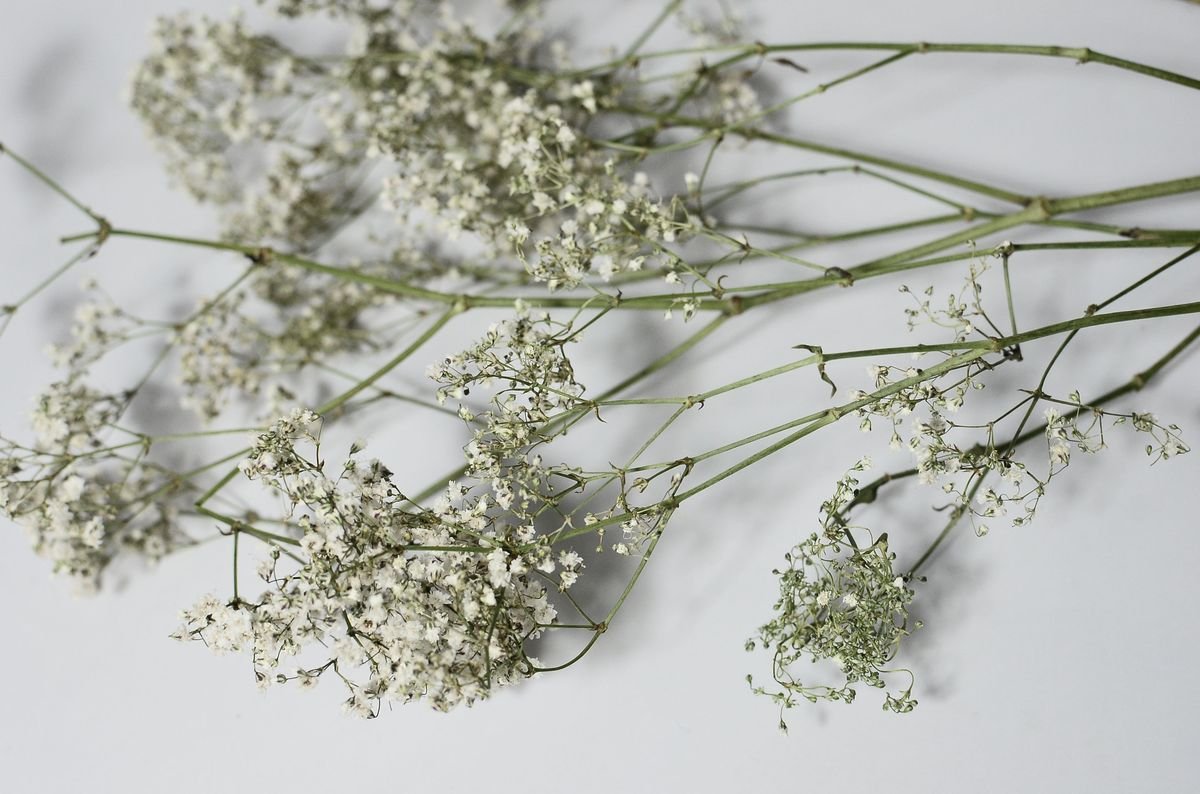
Baby’s breath is a popular filler flower in bouquets and floral arrangements, known for its delicate white blooms. But if you have a dog, you may wonder: is baby’s breath toxic to dogs? The short answer is yes, baby’s breath is mildly toxic to dogs. While it is not usually life threatening, ingestion can cause gastrointestinal upset and other uncomfortable symptoms.
This article explains the toxicity of baby’s breath, how to recognize poisoning, and what steps to take if your dog eats this flower. We also cover safe alternatives and prevention tips so you can enjoy flowers without worrying about your pet.
Understanding Baby’s Breath Toxicity
Baby’s breath (Gypsophila elegans) contains saponins, a class of chemical compounds that can irritate the digestive tract. These compounds are found in many plants and act as a natural defense mechanism. When a dog ingests baby’s breath, the saponins can cause mild to moderate gastrointestinal distress.
Toxic Compounds in Baby’s Breath
The primary toxic components in baby’s breath are saponins. These chemicals can be irritating to the mucous membranes of the mouth, esophagus, and stomach. The concentration of saponins is highest in the flowers and leaves, but all parts of the plant are considered mildly toxic.
How Toxicity Affects Dogs
When a dog eats baby’s breath, the saponins can cause vomiting, drooling, diarrhea, and loss of appetite. In most cases, symptoms are self limiting and resolve within a few hours. However, if a large amount is ingested, more severe symptoms like lethargy or dehydration may occur. The severity depends on the dog’s size, the amount eaten, and individual sensitivity.
Symptoms of Baby’s Breath Poisoning in Dogs
Symptoms typically appear within a few hours of ingestion. They range from mild to moderate and rarely become severe. Knowing what to look for helps you act quickly.
Mild Symptoms
Mild symptoms include excessive drooling, pawing at the mouth, vomiting once or twice, and soft stool. Your dog may also have reduced appetite or seem a bit lethargic. These signs often resolve without veterinary intervention.
Severe Symptoms
Although rare, severe symptoms can occur if a large amount is ingested or if your dog is particularly sensitive. Look for repeated vomiting, diarrhea with blood, significant lethargy, weakness, dehydration, or refusal to drink water. If you notice any of these, contact your veterinarian immediately.
What to Do If Your Dog Eats Baby’s Breath
If you catch your dog eating baby’s breath, stay calm and follow these steps. Most cases are manageable at home, but professional guidance is still recommended.
Immediate Steps
First, remove any remaining plant material from your dog’s reach. Do not induce vomiting unless instructed by a veterinarian, as some plants require different handling. Offer fresh water to help dilute the irritants. Monitor your dog closely for symptoms over the next few hours.
When to Contact a Veterinarian
Always call your veterinarian or a pet poison helpline for advice, even if symptoms seem mild. They can assess your dog’s risk based on breed, size, and amount ingested. Seek emergency care if your dog is vomiting repeatedly, has bloody diarrhea, is lethargic, or if you are unsure how much was eaten.
Treatment for Baby’s Breath Poisoning
Treatment is usually supportive and focuses on easing gastrointestinal symptoms. Most dogs recover without medical intervention, but veterinary care ensures a smooth recovery.
Veterinary Care
If symptoms are moderate or severe, a veterinarian may administer anti nausea medication, provide subcutaneous fluids for dehydration, or recommend a bland diet for a few days. In rare cases, activated charcoal might be used to absorb remaining toxins. Your vet will tailor treatment to your dog’s needs.
Home Care
For mild symptoms, remove food for a few hours to allow the stomach to settle, then offer small amounts of water. Gradually introduce a bland diet of boiled chicken and rice. Avoid giving any medications without veterinary approval. Symptoms usually resolve within 24 hours.
Preventing Baby’s Breath Exposure
The best way to protect your dog is to prevent access to baby’s breath entirely. This may require changes to your home decor and flower choices.
Safe Flower Alternatives
Many flowers are safe for dogs and can replace baby’s breath in arrangements. Consider roses (thornless), sunflowers, marigolds, or snapdragons. Always double check with your vet before introducing new plants. Gerbera daisies and orchids are also non toxic options.
Tips for Pet Proofing Your Home
Place flower arrangements out of reach, such as on high shelves or tables. Supervise your dog around bouquets, especially if they tend to chew on plants. Educate family members and guests about the risk of baby’s breath. If you receive a bouquet containing baby’s breath, remove the stems and dispose of them securely.
Final Thoughts
So, is baby’s breath toxic to dogs? Yes, but the toxicity is mild and usually causes only temporary digestive upset. By being aware of the symptoms and acting quickly, you can ensure your dog stays safe. Always consult your veterinarian if you have any concerns, and consider choosing pet friendly flowers for your home. With a little caution, you can enjoy beautiful blooms without putting your furry friend at risk.