
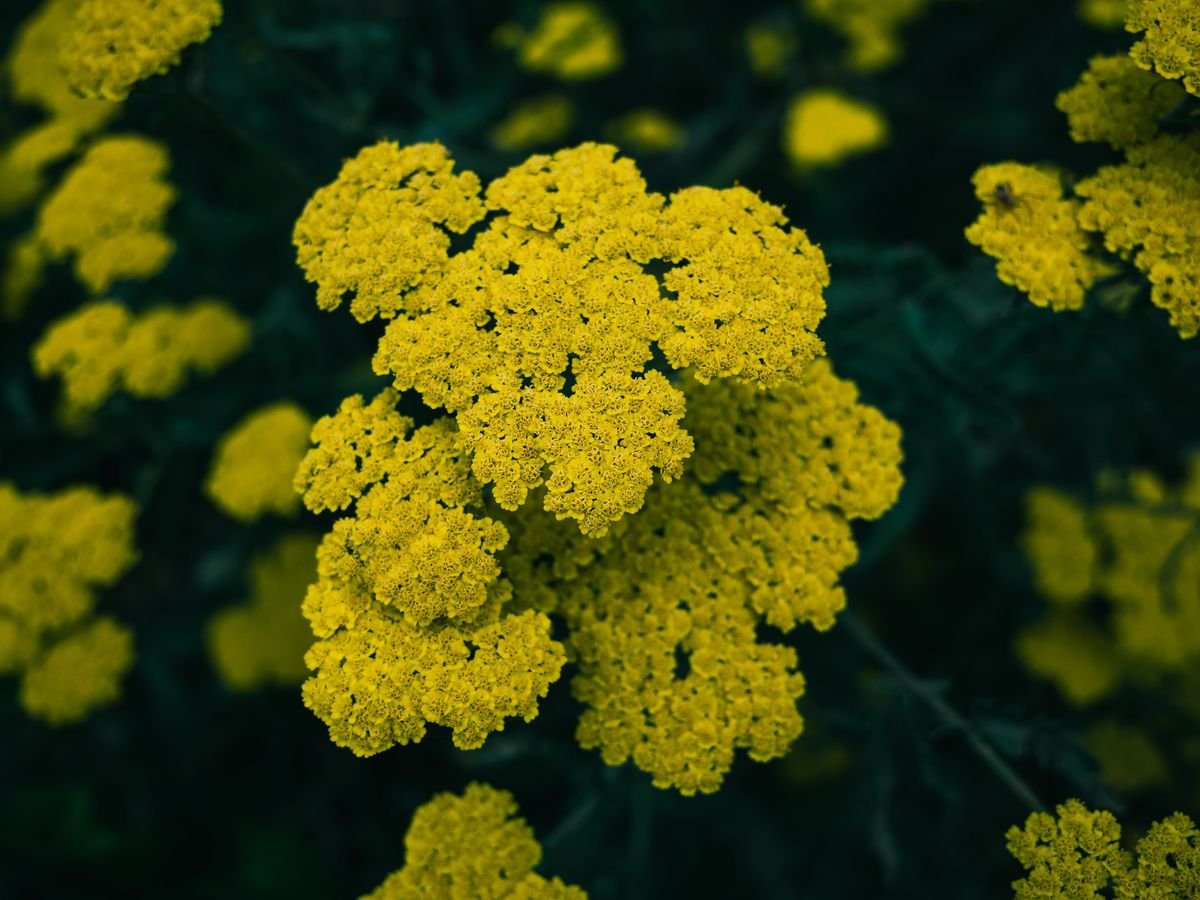
If you have a garden and a curious dog, you may wonder which plants are safe. Yarrow (Achillea millefolium) is a popular perennial with feathery leaves and flat-topped flower clusters. But is yarrow toxic to dogs? The short answer is yes. Yarrow contains compounds that can be harmful if ingested in large amounts. While it is not usually fatal, it can cause uncomfortable symptoms. Understanding the risks and knowing what to look for can help you keep your dog safe.
What Is Yarrow?
Yarrow is a flowering plant native to temperate regions of North America, Europe, and Asia. It has been used for centuries in herbal medicine for its anti-inflammatory and wound-healing properties. The plant produces clusters of small white, yellow, pink, or red flowers. Its leaves are fern-like and deeply divided.
Yarrow is often found in gardens, meadows, and along roadsides. It is drought-tolerant and easy to grow, making it a common choice for landscaping. However, its medicinal properties do not mean it is safe for pets.
Is Yarrow Toxic to Dogs?
Yes, yarrow is considered toxic to dogs. The American Society for the Prevention of Cruelty to Animals (ASPCA) includes yarrow on its list of plants that are toxic to dogs, cats, and horses. The toxic principles in yarrow include alkaloids, thujone, and other compounds that can irritate the digestive system and affect the nervous system.
The level of toxicity depends on the amount ingested. A small nibble may cause mild stomach upset, while larger amounts can lead to more serious symptoms. Dogs that are particularly sensitive or have underlying health conditions may react more strongly. In most cases, yarrow poisoning is not life-threatening, but it should be taken seriously.
Symptoms of Yarrow Poisoning in Dogs
If your dog eats yarrow, symptoms may appear within a few hours. Common signs include:
– Vomiting
– Diarrhea
– Drooling or hypersalivation
– Loss of appetite
– Lethargy or depression
– Skin irritation if the plant touches the skin (dermatitis)
In rare cases, large ingestions can cause more severe effects such as tremors, incoordination, or an elevated heart rate. If you notice any of these symptoms after your dog has been around yarrow, contact your veterinarian promptly.
What to Do If Your Dog Eats Yarrow
First, remove your dog from the area and prevent further access to the plant. Check how much they may have eaten and if any plant material is still in their mouth. Gently rinse their mouth with water.
Do not induce vomiting unless specifically instructed by a veterinarian. Some toxins can cause more harm when brought back up. Instead, call your veterinarian or a pet poison helpline (such as the ASPCA Animal Poison Control Center at 888-426-4435). Provide them with information about the plant, the amount ingested, and your dog’s symptoms. They will advise whether you need to come in for treatment or can monitor at home.
Treatment for yarrow poisoning is usually supportive. This may include fluids to prevent dehydration, anti-nausea medication, and monitoring of vital signs. Full recovery is typical with prompt care.
How to Prevent Yarrow Ingestion
The best way to protect your dog is to remove yarrow from your garden or landscape. Alternatively, you can fence off areas where yarrow grows or keep your dog on a leash during walks to prevent snacking on plants.
Train your dog to avoid eating unfamiliar plants. Teaching a solid ‘leave it’ command can be very helpful. Supervise your dog when they are outdoors, especially in areas with unknown vegetation. If you are unsure about other plants in your garden, check the ASPCA toxic plant list or consult your local extension office.
Safe Alternatives to Yarrow for Your Garden
If you want a similar look without the risk, consider dog-safe plants that are also hardy and attractive. Some alternatives include:
– Coreopsis (tickseed)
– Echinacea (purple coneflower)
– Lavender (mildly toxic to dogs in large amounts, but generally safe if not ingested)
– Snapdragons (non-toxic)
– Sunflowers (non-toxic)
Always research a plant before adding it to your garden. What is safe for humans may not be safe for pets.