
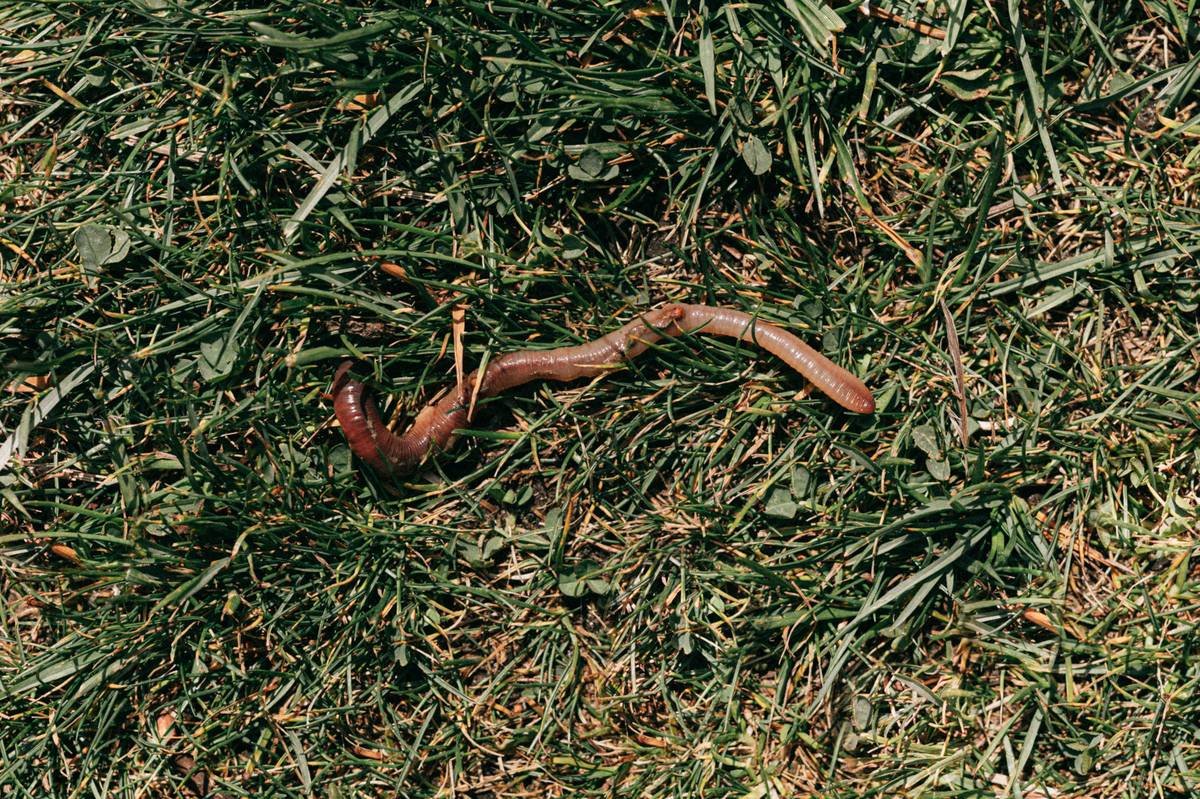
Yes, dogs can vomit worms. This is a startling but common sign of intestinal parasites. Seeing worms in your dog’s vomit is alarming, but it is a clear indicator that your dog needs veterinary attention. In this article, we will explore why this happens, what types of worms to expect, and how to help your dog recover.
What Does It Mean When a Dog Vomits Worms?
Vomiting worms usually indicates a heavy burden of intestinal parasites, most commonly roundworms. These worms live in the small intestine, but a large infestation can cause them to migrate up the digestive tract. When a dog vomits, they may bring up live or dead worms. This is a sign that the worm population is too large for the dog’s system to handle. It is not a normal occurrence and requires prompt veterinary care. Other parasites like tapeworms are rarely vomited because their segments are passed in stool.
Common Types of Worms Seen in Dog Vomit
Several types of worms may appear in vomit, but some are more common than others. Here are the most likely culprits.
Other Signs of Worm Infestation
In addition to vomiting worms, dogs with intestinal parasites often show other symptoms. Watch for diarrhea (sometimes with blood or mucus), weight loss despite a good appetite, a bloated or pot-bellied abdomen, a dull coat, and lethargy. Some dogs scoot their rear on the ground due to anal irritation. You may also see worms or worm segments in your dog’s stool or around their anus. Puppies are especially vulnerable and may show poor growth.
How Do Dogs Get Worms?
Dogs can acquire worms through several routes. Understanding these can help prevent future infestations.
What to Do If Your Dog Vomits Worms
If you see worms in your dog’s vomit, stay calm and take immediate action. First, try to collect a sample of the vomit in a sealed bag or container if possible. This can help your veterinarian identify the type of worm. Call your vet right away to schedule an appointment. Do not attempt to treat the dog with over-the-counter dewormers without professional advice, as the wrong medication can be ineffective or harmful. While waiting for the vet visit, keep your dog hydrated and monitor for other symptoms like severe lethargy or collapse. Clean up the vomit thoroughly and disinfect the area because worm eggs can be infectious to other pets or even humans.
Treatment Options
Treatment depends on the type of worm and the severity of the infestation. Your vet will likely prescribe a deworming medication such as fenbendazole, pyrantel, or praziquantel. These drugs paralyze or kill the worms so they are passed in the stool. Most dewormers require a second dose two to three weeks later to catch newly emerging worms. In heavy infestations, your vet may recommend hospitalization for supportive care like fluids. Always follow your vet’s dosage and schedule exactly. After treatment, a follow-up fecal exam is needed to ensure all worms are gone.
Prevention Tips
Preventing worm infestations is easier than treating a heavy burden. Follow these tips to protect your dog. Maintain a regular deworming schedule as recommended by your vet, usually every three to six months even if no worms are seen. Have a fecal exam done at least once a year. Practice good hygiene by picking up your dog’s feces immediately and washing your hands after handling your dog or its waste. Use year-round flea prevention products to reduce tapeworm risk. Avoid feeding raw meat from questionable sources and prevent your dog from scavenging or hunting. Keep your yard clean and free of feces from other animals.
FAQs About Dogs Vomiting Worms
Can dogs die from worms? Yes, a severe untreated infestation can be fatal, especially in puppies. That is why prompt treatment is essential. Can humans get worms from dogs? Yes, some dog worms are zoonotic. Roundworm eggs can cause issues if accidentally ingested. Practice good hygiene. Do all dogs with worms vomit? No, most dogs with worm infestations never vomit worms. Vomiting worms is a sign of an exceptionally heavy burden. Is it an emergency? It is not always an emergency, but it does require a vet visit within 24 hours. If your dog is also very weak, collapsed, or has bloody vomit, seek emergency care.