
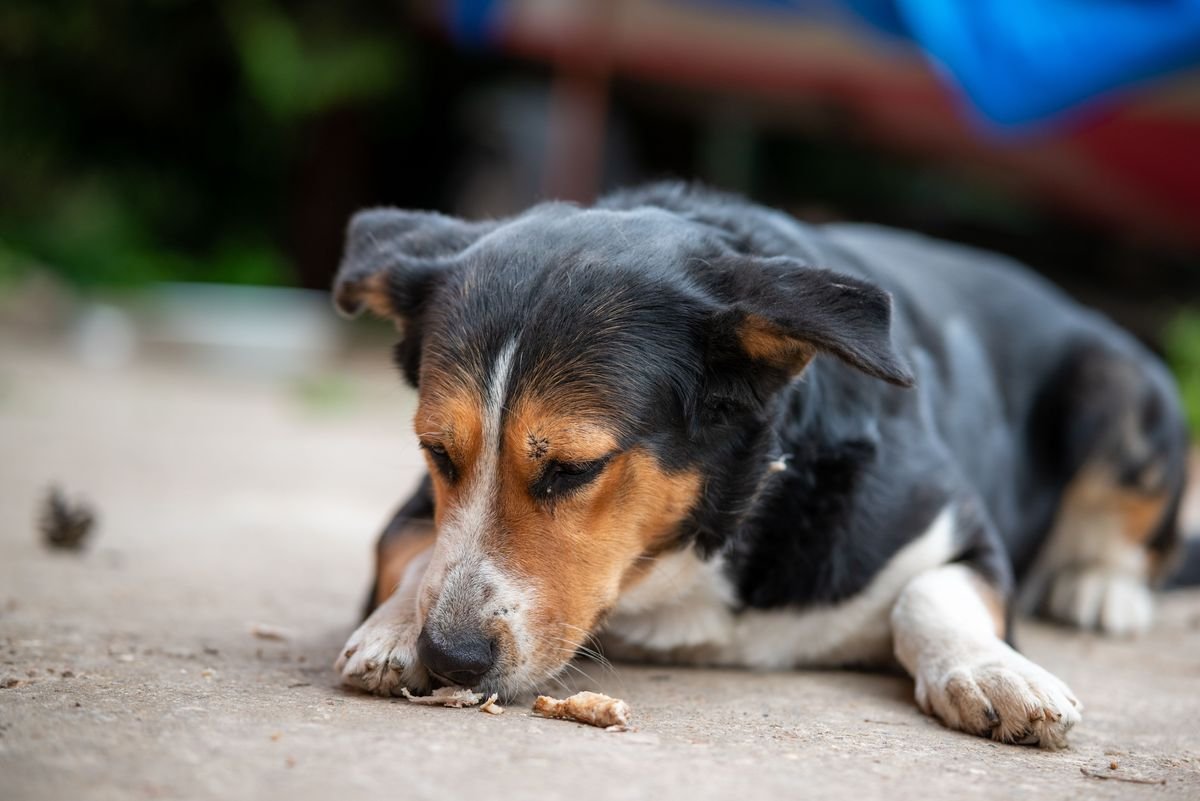
Coffee grounds are a common kitchen waste item, but many dog owners wonder if they are safe for their pets. The short answer is no. Dogs should never eat coffee grounds. Coffee grounds contain caffeine, a stimulant that is toxic to dogs. Even small amounts can cause serious health issues, and larger ingestions can be fatal. This article explains why coffee grounds are dangerous, the symptoms of caffeine poisoning, what to do if your dog ingests them, and how to keep your pet safe.
Why Coffee Grounds Are Dangerous for Dogs
Coffee grounds contain caffeine, a methylxanthine alkaloid that affects the central nervous system and cardiovascular system. Dogs metabolize caffeine much more slowly than humans, leading to accumulation and toxicity. The toxic dose for dogs is about 9 mg of caffeine per pound of body weight. A typical teaspoon of used coffee grounds contains roughly 30-40 mg of caffeine, so even a small amount can be harmful to a small dog. Dry grounds are more concentrated, but used grounds still pose a significant risk.
In addition to caffeine, coffee grounds contain other compounds like tannins and chlorogenic acid, which can further irritate the gastrointestinal tract. The grounds themselves can also cause mechanical obstruction if eaten in large quantities, but the primary danger is the caffeine content.
It’s important to note that other caffeine sources, such as coffee beans, espresso grounds, tea leaves, and energy drinks, are equally dangerous. Coffee grounds should be disposed of securely where your dog cannot access them.
Symptoms of Caffeine Poisoning in Dogs
Symptoms of caffeine poisoning usually appear within 30 to 60 minutes after ingestion, though they can be delayed if the dog has eaten food. Common signs include restlessness, hyperactivity, panting, increased thirst and urination, vomiting, diarrhea, and elevated heart rate. In severe cases, dogs may experience tremors, seizures, collapse, and even death.
The severity depends on the amount ingested relative to the dog’s weight. A dose of 20 mg per pound can cause severe symptoms, and 30-40 mg per pound can be lethal. For example, a 10-pound dog could reach a toxic level with just three teaspoons of used coffee grounds. If you notice any of these symptoms, contact your veterinarian immediately.
What to Do If Your Dog Eats Coffee Grounds
If you catch your dog eating coffee grounds or suspect they have, act quickly. First, remove any remaining grounds from their reach. Do not induce vomiting unless instructed by a veterinarian, as this can cause aspiration or worsen symptoms. Immediately call your veterinarian or an animal poison control hotline (such as ASPCA Animal Poison Control at 888-426-4435).
Be prepared to provide information about your dog’s weight, the approximate amount of coffee grounds ingested, and the time of ingestion. The veterinarian may recommend bringing your dog in for treatment. Treatment may include inducing vomiting (if safe), administering activated charcoal to reduce absorption, intravenous fluids to support kidney function, and medications to control heart rate and seizures. Prompt treatment greatly improves the prognosis.
How to Prevent Access to Coffee Grounds
Prevention is the best strategy. Never leave coffee grounds in an open trash can or compost pile where your dog can reach them. Use a secure lid or keep the trash in a cabinet. If you use a French press, discard the grounds immediately into a sealed container. Similarly, be careful with coffee pods, beans, and leftover coffee drinks. Educate family members and guests about the dangers of sharing coffee with dogs.
If you have a curious dog, consider using a childproof lock on cabinets that contain coffee items. Also, be aware of grounds in garden beds or public areas. Always supervise your dog when they are outside, and avoid leaving any food waste unattended.
Safe Alternatives to Coffee Grounds for Dogs
If you want to give your dog a treat or simulate the experience of chewing on something, there are many safer options. Commercial dog chews, dental bones, and bully sticks are healthy alternatives. For a homemade treat, you can stuff a Kong with peanut butter (xylitol-free), yogurt, or pumpkin puree and freeze it. Some dogs also enjoy plain, unsalted bone broth or frozen green beans.
Never give your dog caffeine or coffee in any form. Even decaffeinated coffee grounds still contain some caffeine and are not safe. Stick to products specifically designed for dogs to ensure their safety and health.