
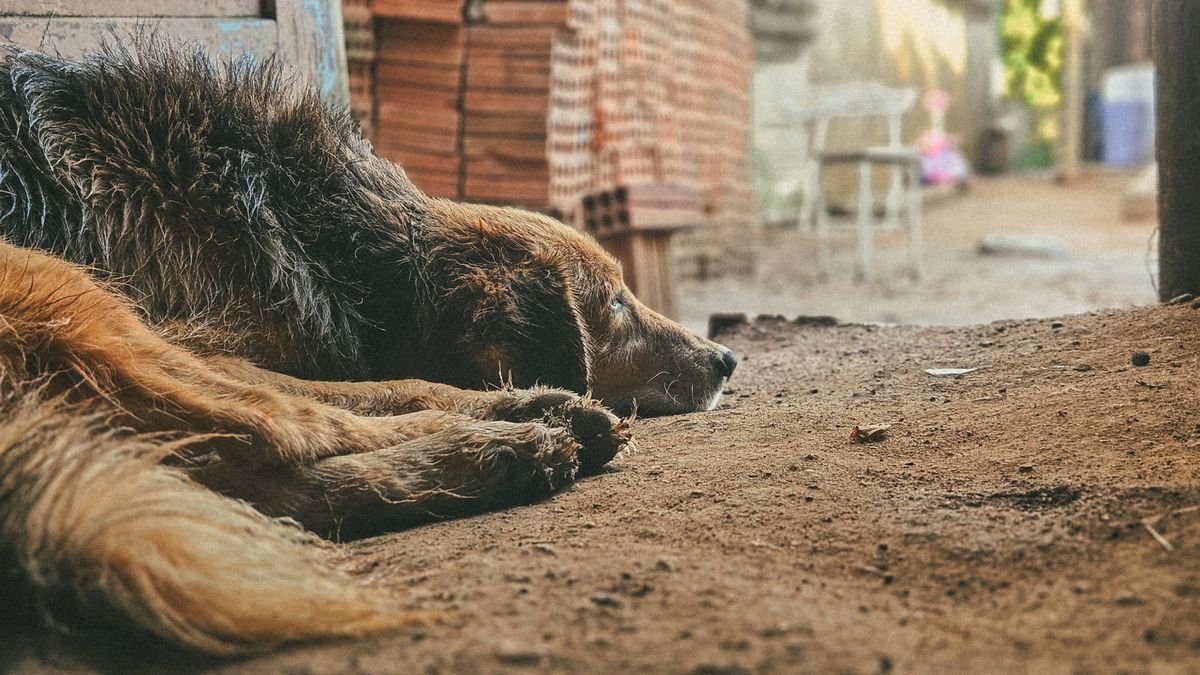
Yes, dogs can get concussions. Just like humans, a concussion in a dog is a traumatic brain injury caused by a blow to the head or a sudden jolt. While dogs have thicker skulls relative to their brain size, they are still vulnerable to brain damage from falls, car accidents, or rough play.
Recognizing the signs of a concussion in your dog is critical for prompt treatment. Because dogs cannot tell us they feel dizzy or have a headache, owners must watch for subtle changes in behavior and coordination. This article covers everything you need to know about canine concussions, from symptoms to recovery.
Can Dogs Get Concussions?
Yes, dogs can absolutely get concussions. A concussion is a type of traumatic brain injury that occurs when the brain is shaken inside the skull. This can happen from any forceful impact to the head or even from a sudden stop that causes the brain to hit the inside of the skull.
Dogs are at risk for concussions in many everyday situations. Car accidents, falls from heights, and collisions with hard objects are common causes. Even a seemingly minor bump can cause a concussion, especially in small breeds or puppies with softer skulls.
Signs and Symptoms of a Concussion in Dogs
Dogs with concussions may show a variety of symptoms, ranging from mild to severe. The most obvious signs include loss of consciousness, disorientation, and stumbling. However, some symptoms are more subtle.
Common symptoms include:
* Dazed or confused appearance
* Uneven pupil size (anisocoria)
* Uncoordinated movements (ataxia)
* Vomiting
* Seizures
* Unusual eye movements (nystagmus)
* Bleeding from the nose or ears
* Lethargy or collapse
If your dog shows any of these signs after a head injury, seek veterinary care immediately. Even if symptoms seem mild, a concussion can worsen without treatment.
Delayed Symptoms
Some concussion symptoms may not appear right away. In the hours or days after a head injury, your dog might develop a headache (shown by pressing its head against walls), personality changes, or difficulty eating. Always monitor your dog closely after any head trauma.
Common Causes of Head Trauma in Dogs
Head trauma that leads to concussions can happen in many ways. The most common causes include:
* Being hit by a car (a leading cause of serious canine head injuries)
* Falls from furniture, stairs, or heights
* Collisions with hard surfaces during play (e.g., running into a wall or tree)
* Kicks from horses or other large animals
* Fights with other animals that involve head biting
* Accidental drops (in small breed puppies)
Preventing these scenarios is key to protecting your dog from concussions.
What to Do If You Suspect a Concussion
If you think your dog has a concussion, stay calm and act quickly. First, gently transport your dog to a quiet, safe area. Avoid jostling the head or neck. If your dog is unconscious, ensure the airway is clear and do not tilt the head back.
Apply gentle pressure to any bleeding wounds with a clean cloth. Do not give any medications, especially aspirin or other NSAIDs, as they can increase bleeding risk. Call your veterinarian or an emergency animal hospital for guidance.
Keep your dog warm and try to keep them quiet. Avoid sudden movements or loud noises, which can worsen brain trauma. Do not offer food or water until a vet examines them.
Diagnosis and Treatment
A veterinarian will perform a full neurological exam to assess your dog’s mental status, reflexes, and coordination. They may check pupillary light response and eye movement. In some cases, imaging like X-rays, CT scans, or MRI may be needed to rule out skull fractures or bleeding.
Treatment for a concussion varies based on severity. Mild cases may require only rest and monitoring. More serious concussions might involve hospitalization for oxygen therapy, intravenous fluids, anti-seizure medications, or drugs to reduce brain swelling. Most dogs recover well with prompt care, but severe injuries can lead to permanent damage.
Recovery at Home
Once your dog is stable, home care is crucial. Your vet may recommend a quiet, dark environment to reduce stimulation. Limit activity for several days or weeks, depending on the injury. Keep your dog on a leash for bathroom breaks and prevent jumping or running. Follow all medication instructions and attend follow-up appointments.
Preventing Head Injuries in Dogs
While not all accidents are preventable, you can reduce the risk of concussions. Keep your dog secured in a car with a crash-tested harness or carrier. Use a leash in unfenced areas and near roads. Block access to stairs or balconies for small dogs. Supervise play with larger animals to avoid rough head impacts.
For active dogs, consider a padded head protection device during high-risk activities like agility or hiking on rocky terrain. Regular veterinary check-ups can also help identify any underlying conditions that make your dog more prone to injury.
When to See a Vet
Any head injury that causes even a brief loss of consciousness warrants an immediate vet visit. Even if your dog seems fine, symptoms can develop later. Seek emergency care if your dog has seizures, difficulty breathing, bleeding from the nose or ears, or if the pupils are uneven. A vet can rule out more serious problems like skull fractures or internal bleeding.
Remember, concussions in dogs are a medical emergency. Early treatment improves the chances of a full recovery. Do not wait to see if symptoms get better on their own.