
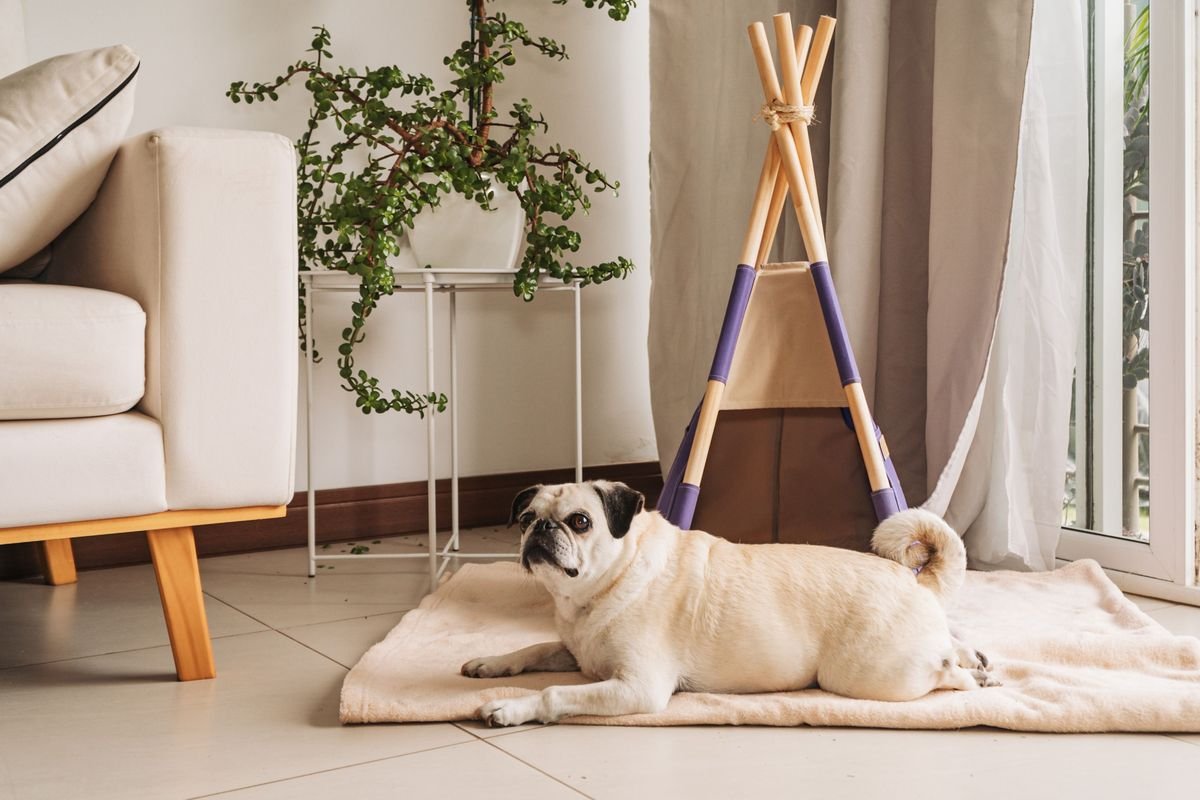
Hemorrhoids in dogs are swollen blood vessels around the anus, often caused by chronic constipation, straining, obesity, or prolonged sitting on hard surfaces. While not as common as in humans, they can cause significant discomfort for your pet.
Treating hemorrhoids at home is possible for mild cases, but it requires careful attention to hygiene, diet, and symptom monitoring. This guide covers safe home remedies, prevention tips, and clear signs that veterinary attention is needed.
Understanding Hemorrhoids in Dogs
To treat hemorrhoids effectively, it helps to know what they are and why they develop.
What Are Hemorrhoids?
Hemorrhoids are swollen veins in the rectal or anal area. In dogs, they often appear as small, soft, bluish or red lumps around the anus. They may be internal (inside the rectum) or external (visible outside). External hemorrhoids are more noticeable and can become irritated or bleed.
Causes and Risk Factors
Common causes include chronic constipation or diarrhea leading to straining, obesity putting pressure on the rectal veins, lack of fiber in the diet, prolonged sitting on hard surfaces, and aging (weakened tissues). Breeds prone to anal issues, like Bulldogs or Cocker Spaniels, may be at higher risk.
Signs Your Dog Has Hemorrhoids
Watch for these symptoms: visible lumps around the anus, scooting (dragging rear on the ground), excessive licking or biting at the area, straining during bowel movements, blood or mucus on stool, and signs of pain when sitting or defecating. If you see any of these, inspect the area gently but do not force if your dog is uncomfortable.
Safe Home Remedies for Hemorrhoids in Dogs
Always consult your veterinarian before starting any home treatment, especially if the hemorrhoids are severe or bleeding. The following remedies can provide relief for mild cases.
Warm Compresses
Apply a warm, damp cloth to the anal area for 5 to 10 minutes, two to three times daily. The warmth reduces swelling and soothes irritation. Make sure the compress is not too hot. Test it on your own wrist first.
Coconut Oil Application
Virgin coconut oil has anti-inflammatory and moisturizing properties. Apply a small amount directly to the hemorrhoid using a clean finger or cotton ball. This can reduce itching and swelling. Use once or twice daily, and prevent your dog from licking it off immediately (distract with a toy or treat).
Witch Hazel (With Caution)
Witch hazel is a natural astringent that can shrink swollen tissue. Soak a cotton ball with alcohol-free witch hazel and dab it gently on the hemorrhoid. Use only once a day for a few days. Avoid if the skin is broken or raw, as it may sting. Do not let your dog ingest large amounts.
Fiber-Rich Diet
Adding fiber to your dog’s diet softens stool and reduces straining. Mix in canned pumpkin (plain, not pie filling), cooked sweet potato, or psyllium husk (consult vet for dosage). Start with small amounts to avoid gas or bloating. Ensure plenty of water when increasing fiber.
Sitz Baths
A warm sitz bath can cleanse the area and promote healing. Fill a bathtub or large basin with a few inches of warm water (enough to cover the dog’s hindquarters). Let your dog sit in the water for 5 to 10 minutes. Do this once or twice daily. Dry the area thoroughly afterward to prevent moisture-related skin issues.
Increase Hydration
Encourage your dog to drink more water. Proper hydration helps prevent constipation. Add water to dry food, provide a pet water fountain, or offer ice cubes as treats. Wet food can also increase moisture intake.
Avoid Straining
Help your dog avoid constipation by ensuring regular, gentle exercise and a balanced diet. If your dog is constipated, a vet-recommended stool softener (like lactulose) may be needed. Do not use human laxatives without veterinary approval.
What NOT to Do
Never use human hemorrhoid creams or suppositories on your dog. Many contain ingredients like hydrocortisone or phenylephrine that can be toxic if ingested. Do not pop or cut the hemorrhoid, as this can lead to severe infection or bleeding. Avoid harsh wiping; use a wet cloth or pet-safe wipes instead. Do not apply essential oils unless specifically approved by a veterinarian.
When to See a Veterinarian
See a vet if home remedies do not improve the condition within a few days, if the hemorrhoids bleed heavily or become extremely painful, if your dog has difficulty defecating or urinating, or if you notice signs of infection (pus, foul odor, redness spreading). Also consult a vet if your dog has recurring hemorrhoids, as this may indicate an underlying health issue such as anal gland problems, tumors, or chronic colitis.
Preventing Hemorrhoids in Dogs
Prevention focuses on digestive health and comfort. Feed a high-fiber diet with adequate hydration. Keep your dog at a healthy weight through diet and exercise. Provide soft bedding, especially for older dogs or those that sit on hard floors for long periods. Regularly clean the anal area during baths. Manage allergies or conditions that cause chronic diarrhea or constipation promptly. Routine veterinary check-ups can catch issues early.