
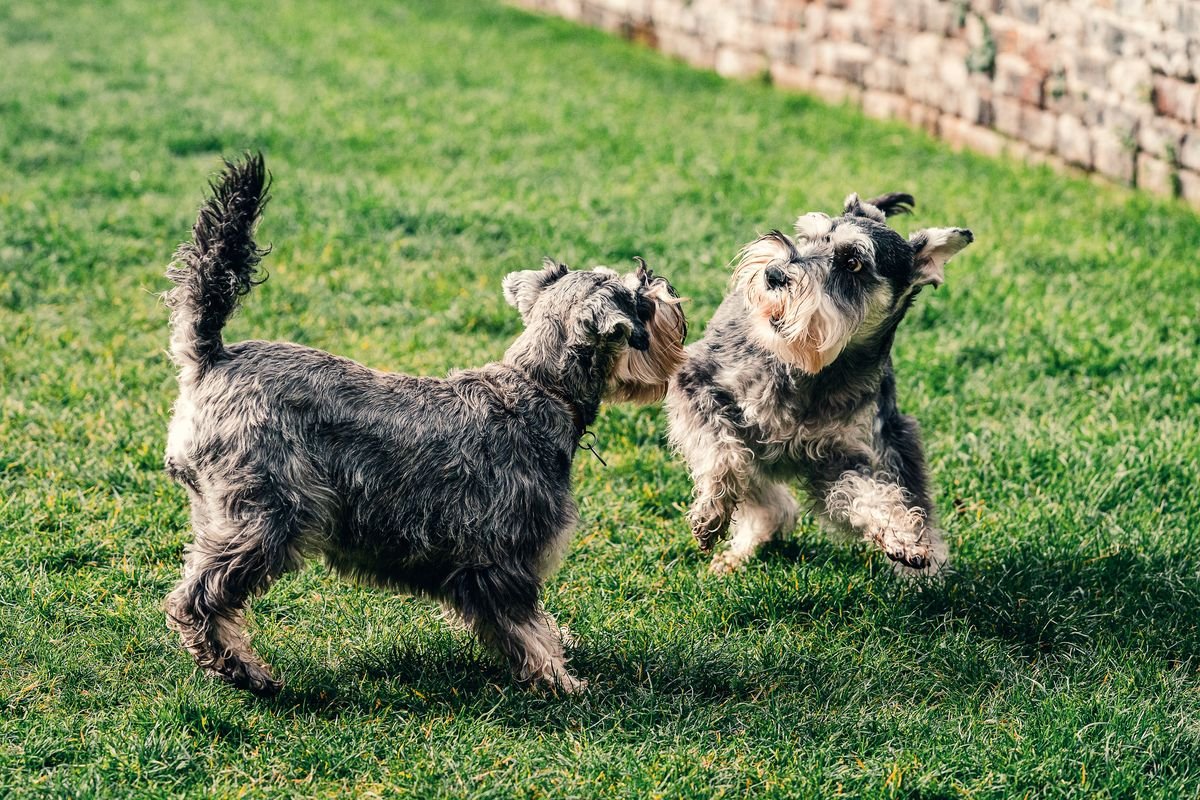
Yes, dogs get grey hair. It is a common and natural part of aging for many canines, much like it is for humans. As your dog grows older, you may notice a sprinkling of silver around the muzzle, eyes, or even along the body. While aging is the primary cause, other factors such as genetics, stress, and certain health conditions can also contribute to a dog’s coat turning grey.
This article explores the reasons behind grey hair in dogs, where it typically appears, at what age it starts, and when it might indicate a need for veterinary attention. Understanding these nuances can help you better care for your furry companion as they mature.
The Science Behind Grey Hair in Dogs
Just like in humans, grey hair in dogs results from a reduction in melanin production. Melanin is the pigment responsible for giving color to the hair, skin, and eyes. As dogs age, the melanocytes (cells that produce melanin) gradually become less active or die off, leading to a loss of pigment in the hair shaft.
This process is largely influenced by genetics. Some breeds are predisposed to greying earlier than others. For example, Schnauzers, Poodles, and some terriers often show grey hair as part of their natural coat pattern even in youth. In these cases, the greying is not related to age but to their specific genetic makeup.
Other factors such as oxidative stress from environmental factors can accelerate the greying process. Free radicals can damage melanocytes, causing premature loss of pigment. A diet rich in antioxidants may help slow this process, but genetics remain the primary determinant.
Common Areas Where Grey Hair Appears
Grey hair in dogs most often appears first and most prominently around the muzzle and face. The hair around the eyes, the chin, and the muzzle tends to grey first because these areas have the most concentrated pigment and experience the most exposure to environmental stressors.
Other common areas include the eyebrows (if visible) and the top of the head. As the dog ages, grey may spread to the chest, legs, and along the back. Some dogs develop a ‘salt and pepper’ look, while others get uniform grey patches. The pattern and extent vary widely by individual and breed.
Interestingly, dogs with darker coats tend to show grey more obviously, while lighter colored dogs may grey less noticeably.
At What Age Does a Dog Go Grey?
The age at which dogs begin to grey varies widely. Small breeds often live longer and may not show significant greying until they are 8 to 10 years old or older. In contrast, large and giant breeds tend to age faster and may start greying as early as 5 to 7 years of age.
A general rule of thumb is that most dogs begin to show some grey around the muzzle by the time they reach their senior years, which is typically around 7 years for most breeds. However, individual variation is large. Some dogs maintain their youthful coat color well into old age, while others grey prematurely due to stress or genetics.
Premature greying (before age 4 or 5) can be a sign of stress or an underlying health issue, though it is not always a cause for concern. If your young dog is turning grey quickly, consider factors like recent changes in environment, anxiety, or illness.
Can Stress Cause Premature Greying?
Yes, stress can contribute to premature greying in dogs. Studies in humans and other animals have shown that chronic stress or anxiety can accelerate the loss of pigment in hair. The mechanism involves the release of stress hormones like cortisol, which can damage melanocyte stem cells.
In dogs, stress-related greying may result from factors such as moving to a new home, the addition of a new pet or family member, separation anxiety, or even chronic pain or illness. If you notice a sudden increase in grey hair in a relatively young dog, it might be worth evaluating their stress levels.
However, it’s important not to assume stress is the cause. A vet visit can help rule out other medical conditions that might lead to coat changes, such as thyroid disorders or skin diseases.
When to See a Vet About Grey Hair
In most cases, grey hair is a normal part of aging and not a cause for concern. However, there are situations where a vet visit is warranted. If your dog is greying at a very young age (under 2 or 3 years) or if the greying is accompanied by other symptoms like hair loss, flaky skin, changes in appetite, or lethargy, you should consult a veterinarian.
Sudden or patchy greying could indicate an autoimmune condition, a hormonal imbalance such as hypothyroidism, or even a nutritional deficiency. For example, a lack of certain B vitamins or copper can affect coat color. A vet can perform blood tests and examine the skin to determine if there is an underlying issue.
Also, if your dog is acting differently or seems unwell, do not attribute the grey hair to age alone. Always consider the whole picture of your dog’s health and behavior.
Caring for Your Grey-Muzzled Dog
A dog with grey hair does not necessarily need special grooming, but their skin and coat may become more sensitive with age. Older dogs can develop dry skin or a dull coat, so using a moisturizing shampoo and providing a balanced diet with omega-3 fatty acids can help maintain coat health.
Regular brushing is beneficial as it distributes natural oils, stimulates blood flow to the skin, and allows you to monitor for any lumps, bumps, or skin changes. Be gentle, as the skin may be thinner and more fragile in senior dogs.
Sun protection is another consideration. White or grey hair offers less protection from UV rays than darker pigmented hair. If your dog spends a lot of time outdoors, especially around the face and ears where hair is thinner, consider applying pet-safe sunscreen or providing shade.
Finally, embrace the grey! A silver muzzle is a sign of a life well lived with you. It can be a beautiful marker of the bond you share and the years of memories you have built together.