
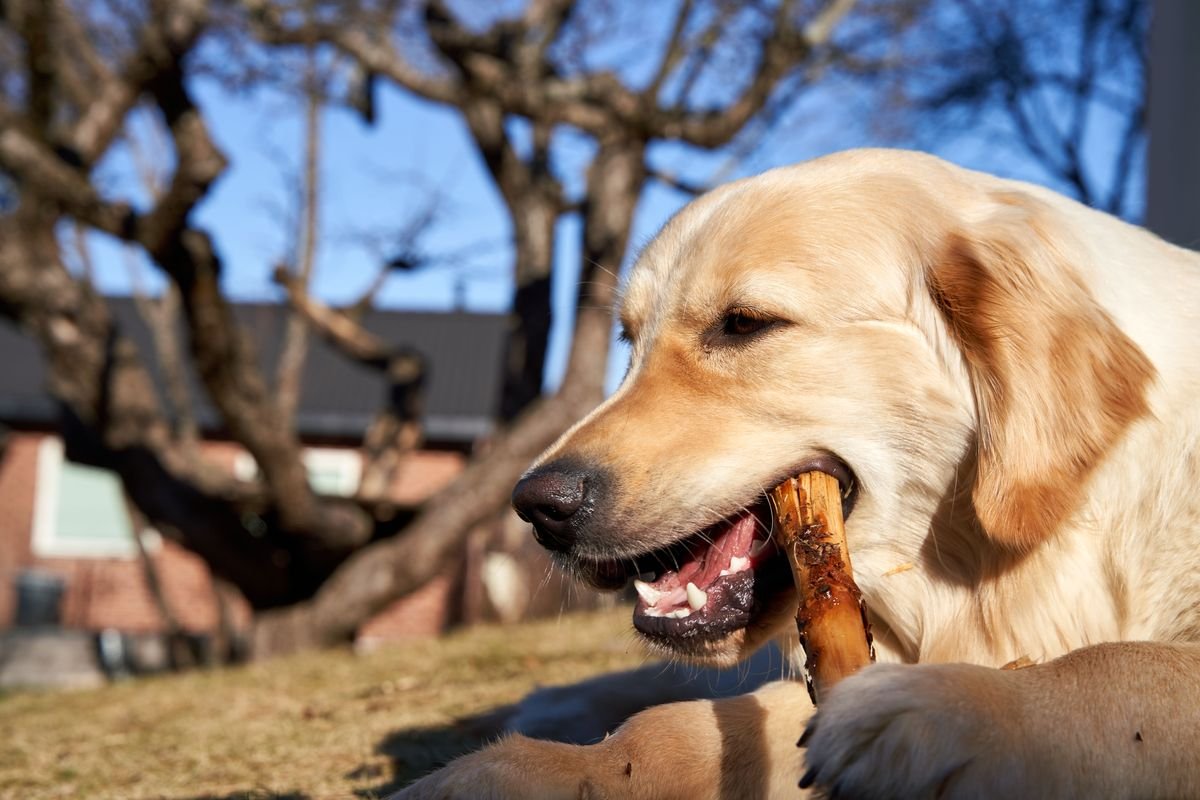
Coffee wood chews have become a popular alternative to rawhide and plastic chews for dogs. Made from the branch of the coffee plant, these natural chews are marketed as durable, digestible, and long-lasting. But are coffee wood chews safe for dogs? Many pet parents are asking this question as they seek healthier options for their furry friends.
While coffee wood chews offer several advantages, they also come with potential risks. In this guide, we examine the safety, benefits, and drawbacks of coffee wood chews so you can decide if they are right for your dog.
What Are Coffee Wood Chews?
Coffee wood chews are natural dog chews made from the branches of the coffee plant (Coffea arabica or Coffea canephora). After the coffee cherries are harvested, the wood is cleaned, dried, and cut into chewable shapes. Unlike rawhide, which is processed and often bleached, coffee wood chews are minimally processed and free from artificial additives.
These chews are known for their hardness and durability. They do not splinter easily like some other woods, and they can last for weeks with moderate chewing. Coffee wood chews are also naturally low in fat and calories, making them a guilt-free treat for dogs who need to watch their weight.
Are Coffee Wood Chews Safe for Dogs? Potential Risks
While coffee wood chews are generally considered safe for most dogs, there are some risks to keep in mind. The main concern is the presence of caffeine. Coffee wood contains trace amounts of caffeine, though much less than coffee beans. The caffeine content in a chew is typically very low, but it can still cause issues in sensitive dogs or if a dog consumes a large piece.
Symptoms of caffeine ingestion in dogs include restlessness, rapid heart rate, vomiting, and diarrhea. However, because the caffeine is bound in the wood fibers and only released slowly during chewing, the risk is minimal for healthy adult dogs. Puppies, small breeds, or dogs with heart conditions should avoid coffee wood chews.
Another risk is choking or intestinal blockage. Like any chew, if a dog bites off and swallows a large chunk, it could get stuck in the throat or digestive tract. Always supervise your dog and choose a size appropriate for your dog’s breed and chewing style.
Caffeine Content and Toxicity Levels
To put the risk into perspective, a typical coffee wood chew contains roughly 0.1% to 0.5% caffeine by weight. That means a 50-gram chew might have 50 to 250 milligrams of caffeine. The toxic dose for dogs is about 150 mg per kilogram of body weight. So a 10-kilogram dog would need to ingest over 1,500 mg of caffeine to reach toxic levels, which is far more than what is present in a single chew. Still, it is wise to limit the number of chews given per day and to avoid giving coffee wood to very small or sensitive dogs.
Benefits of Coffee Wood Chews
Coffee wood chews offer several advantages over other types of chews. First, they are highly digestible. According to many manufacturers, coffee wood fibers break down easily in a dog’s stomach, reducing the risk of blockages compared to rawhide or nylon chews. Second, they are natural and free from chemicals, preservatives, and artificial flavors.
Third, coffee wood chews are sustainable. They are a byproduct of coffee farming, so using them as dog chews reduces waste. Fourth, they are excellent for dental health. The abrasive texture helps scrape away plaque and tartar as your dog chews, promoting cleaner teeth and fresher breath. Finally, they are long-lasting, making them a great option for aggressive chewers who go through other chews quickly.
How to Choose a Safe Coffee Wood Chew
Not all coffee wood chews are created equal. To ensure safety, look for products from reputable brands that source their wood from coffee plantations and process it properly. Avoid chews with added flavors or coatings, as these can mask low-quality wood or introduce unnecessary ingredients.
Check the size and hardness. The chew should be large enough that your dog cannot swallow it whole. For heavy chewers, choose a thicker cut that will not break into small pieces too quickly. Some brands offer different grades for different chewing strengths.
Also, read customer reviews and ask your veterinarian for recommendations. If your dog has a history of allergies or digestive issues, start with a small piece to see how they react.
How to Monitor Your Dog While Chewing
Even with safe chews, supervision is key. Give your dog a coffee wood chew in a safe area where you can watch them. Check the chew regularly for wear. If it becomes small enough to swallow, take it away and replace it with a new one.
Watch for signs of distress, such as gagging, excessive drooling, or pawing at the mouth. If you notice any of these, remove the chew immediately and contact your vet. Also, be mindful of how much wood your dog ingests. While digestible, large amounts can still cause gastrointestinal upset.
Alternatives to Coffee Wood Chews
If you decide coffee wood is not right for your dog, there are other natural chew options. Bully sticks are high in protein but can be high in calories. Deer antlers are very hard and long-lasting but may pose a risk of tooth fracture. Yak cheese chews are digestible and low in fat, but they can be greasy.
Another option is sweet potato chews, which are soft and easily digestible but do not last as long. Always choose chews appropriate for your dog’s size, age, and chewing habits. Rotating different types of chews can keep your dog engaged and reduce the risk of overexposure to any single material.
Expert Opinions and Veterinary Advice
Veterinarians generally agree that coffee wood chews are safe for most healthy dogs when used appropriately. Dr. Sarah Johnson, a veterinary nutritionist, notes that the main advantage is their digestibility compared to rawhide. She recommends them for dogs who need a durable chew but warns against giving them to puppies or dogs with dental issues.
Some experts advise caution for dogs with caffeine sensitivity, though this is rare. If your dog is on any medications that interact with caffeine, such as certain heart medications, consult your vet before offering coffee wood chews. Overall, the consensus is that coffee wood chews are a safe and natural option when used with common sense.