
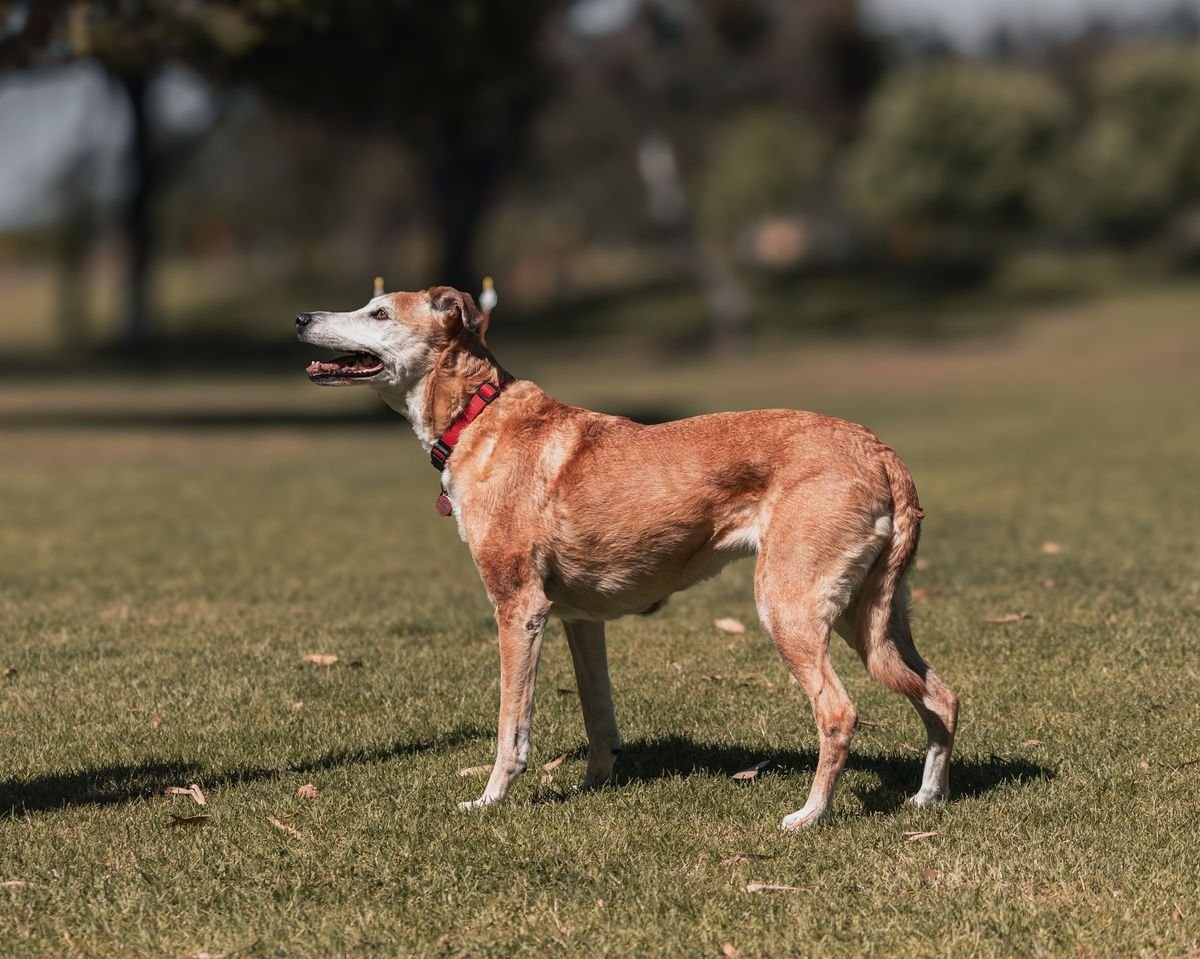
Many people assume that short-haired dog breeds barely shed. Greyhounds often fall into this category in the public imagination. But do Greyhound dogs shed? The short answer is yes, they do shed, but much less than many other breeds. Their single coat lacks an undercoat, which makes their shedding lighter and easier to manage.
If you are considering a Greyhound as a pet, understanding their shedding patterns can help you prepare. This article explains everything you need to know about Greyhound shedding, from coat type to grooming tips and common myths. Whether you already own a Greyhound or are thinking about adopting one, you will find practical advice for keeping loose hair under control.
The Greyhound Coat: Single Layer, Low Shedding
Greyhounds have a unique coat compared to many dog breeds. Their hair is short, smooth, and lies flat against the body. The most important distinction is that Greyhounds have a single coat, meaning they have only one layer of hair. They lack the soft, dense undercoat that many double-coated breeds (like Labrador Retrievers or German Shepherds) have to insulate them from cold and heat.
Because there is no undercoat, Greyhounds shed less fur overall. The hair they do shed comes from the topcoat, which is typically sparse and fine. This single-layer coat is one reason why Greyhounds are often described as low shedders. However, they are not hypoallergenic. All dogs produce dander and saliva, which are the real triggers for allergies, not hair. So even though Greyhounds shed less, they can still cause allergic reactions in sensitive people.
How Much Do Greyhounds Actually Shed?
On a scale of 1 to 10 (with 10 being the heaviest shedding), Greyhounds rank around a 3 or 4. They shed a light, constant amount throughout the year. You might notice a few hairs on your clothes or furniture, but you will not have tumbleweeds of fur rolling across the floor. Compared to a Labrador (usually a 7 or 8), a Greyhound is a very manageable shedder.
Individual shedding can vary based on genetics, health, and environment. Some Greyhounds may shed a bit more than others, but none will shed heavily. If you are looking for a breed that doesn’t leave fur everywhere, a Greyhound could be a good fit, but be aware that some shedding is inevitable.
Seasonal Shedding in Greyhounds
Like most dogs, Greyhounds experience some seasonal changes in their coat, but it is much less dramatic than in double-coated breeds. In spring and fall, they may shed a little more as they adjust to temperature changes. However, because they lack an undercoat, they do not ‘blow coat’ like Huskies or Retrievers. The increase is subtle.
Indoor dogs often shed more evenly throughout the year because artificial lighting and constant temperatures confuse their natural seasonal cues. For an indoor Greyhound, you might not notice any difference between seasons. The shedding will remain light and steady year-round.
Tips for Managing Greyhound Shedding
Managing your Greyhound’s shedding is easy with a few simple habits. The key is to remove loose hair before it falls onto your furniture and floors. Below are some effective strategies.
Regular Brushing
Brush your Greyhound once or twice a week using a rubber curry brush or a hound mitt. These tools are gentle on their thin skin and effectively grab loose hairs. Greyhounds have sensitive skin, so avoid stiff bristles or slicker brushes that can cause irritation. Regular brushing also distributes natural oils, keeping the coat shiny and healthy.
Bathing and Diet
Bathing your Greyhound every 4 to 6 weeks with a mild dog shampoo helps remove dead hair and dander. Overbathing can dry out the skin and increase shedding, so stick to a moderate schedule. Additionally, a high-quality diet rich in omega-3 fatty acids supports skin health and can reduce excessive shedding. Consult your vet for food recommendations.
Vacuuming and Cleaning
Use a vacuum with a pet hair attachment to clean furniture, carpets, and dog beds weekly. Lint rollers or rubber gloves are great for quickly removing hair from clothing. Washing your Greyhound’s bedding regularly also cuts down on loose hair in your home. With these small efforts, you can keep your living space nearly hair-free.
Do Greyhounds Shed More Than Other Breeds?
Greyhounds are among the lowest shedding dog breeds. When compared to popular family pets, they shed significantly less. For example, Labrador Retrievers and German Shepherds shed heavily, while Poodles and Bichon Frises shed very little (almost none). Greyhounds fall closer to the Poodle end of the spectrum, but they do shed some, unlike truly non-shedding breeds.
If you are concerned about allergies, note that shedding is not the main cause of allergic reactions. Dander and saliva are the culprits. Greyhounds produce dander like all dogs, so they are not hypoallergenic. However, because they shed less, there might be less allergen distribution in the environment, which could be helpful for some allergy sufferers.
Common Myths About Greyhound Shedding
Several myths surround Greyhound shedding. It is important to separate fact from fiction so you know what to expect.
Myth 1: Short-haired dogs don’t shed. This is false. All dogs shed to some degree. Hair length does not determine shedding amount; coat type and breed genetics do. Greyhounds shed despite their short hair.
Myth 2: Greyhounds are hypoallergenic. While they shed less, they still produce dander and saliva. No dog is truly hypoallergenic. Some people with mild allergies may tolerate Greyhounds better, but it is not guaranteed.
Myth 3: Greyhounds only shed twice a year. This is a common misconception for single-coated breeds. They shed lightly year-round, with only minimal seasonal increases. There is no dramatic shedding season.
When to Be Concerned About Shedding
While Greyhound shedding is normally light, excessive shedding can indicate an underlying health issue. If you notice bald patches, thinning hair, or if your Greyhound is shedding much more than usual, consult your veterinarian. Possible causes include allergies (food or environmental), thyroid disorders, stress, or skin infections.
Also watch for other signs like excessive scratching, redness, or a dull coat. A healthy Greyhound’s coat should be smooth and shiny. If it becomes dry or brittle, diet or health problems may be involved. Regular vet checkups can help catch issues early and keep your Greyhound looking and feeling great.
Final Thoughts on Greyhound Shedding
Greyhounds do shed, but in a light, manageable way. Their single coat and lack of undercoat make them one of the lower shedding breeds. With minimal grooming effort, you can keep loose hair under control. If you are looking for a dog that won’t cover your home in fur, a Greyhound is an excellent choice.
Remember that shedding is a natural process and not a problem to be eliminated. Embracing your Greyhound’s coat and maintaining a simple routine will keep your bond strong and your home clean. Whether you adopt a retired racer or a puppy, you will likely find that the amount of shedding is a small trade-off for the love and companionship of this gentle breed.