
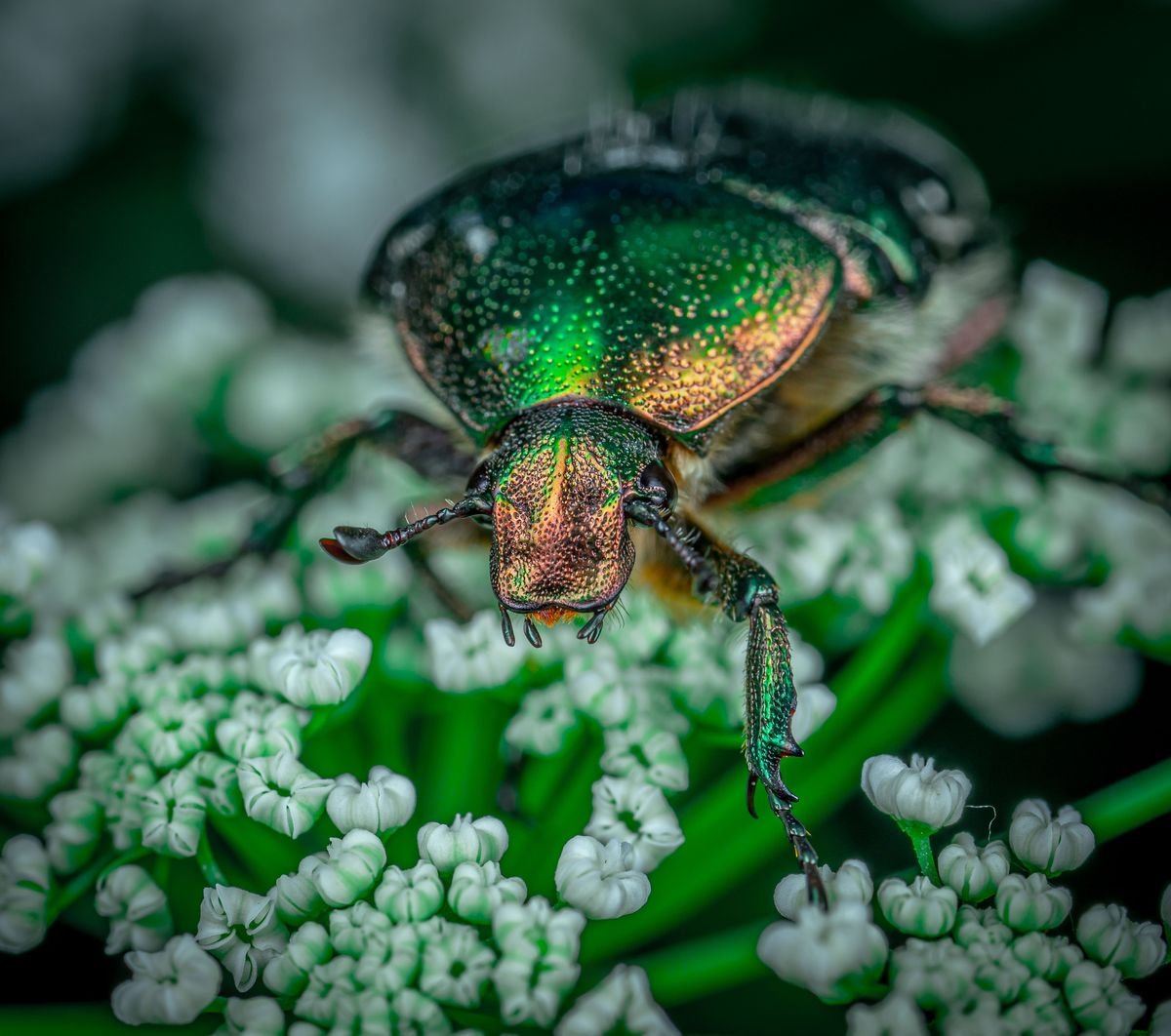
It’s a warm summer evening and your dog is snapping at bugs in the yard. You spot them going after a June bug and wonder: can dogs eat June bugs? The short answer is that while a single June bug is unlikely to cause serious harm, there are several risks to be aware of. This article explains what June bugs are, whether they are toxic, and what steps to take if your dog decides to snack on one.
What Are June Bugs?
June bugs, also known as June beetles or May beetles, are a type of scarab beetle that emerges in late spring and early summer. They are attracted to lights and often fly around porches and patios. For dogs, these slow-moving, crunchy insects can be tempting to chase and eat. Understanding what June bugs are helps assess the risks they pose to your pet.
Are June Bugs Toxic to Dogs?
June bugs themselves are not toxic to dogs. They do not produce venom or contain poisonous substances. However, that does not mean they are completely safe. The primary concerns come from external factors and the physical impact of ingestion. The bug’s hard outer shell can cause irritation, and there is always the risk of pesticide or chemical exposure if the bug has been near treated areas.
Risks of Dogs Eating June Bugs
While not poisonous, June bugs present several potential risks for dogs. These include choking hazards, gastrointestinal upset, and exposure to harmful chemicals. Below we detail each risk.
Choking and Blockage
June bugs have a hard exoskeleton that can be difficult for some dogs to chew properly. Small dogs or enthusiastic eaters may try to swallow the bug whole, leading to choking. In rare cases, the large, hard pieces can cause an intestinal blockage if multiple bugs are consumed. Larger dogs usually pass the bugs without issue, but supervision is still recommended.
Pesticide or Chemical Exposure
The biggest hidden danger comes from what the June bug may have encountered. If the bug has been in contact with lawn chemicals, pesticides, or fertilizers, those toxins can transfer to your dog. Even a low level of poison can cause drooling, vomiting, or more serious neurological symptoms. Avoid letting your dog eat insects from areas that may have been treated with chemicals.
Intestinal Upset
The exoskeleton of a June bug is not easily digestible. Eating one or two usually causes no problem, but a larger number can irritate the stomach and intestines. Dogs may experience mild vomiting, diarrhea, or loss of appetite. These symptoms typically resolve on their own within 24 hours. Provide plenty of fresh water and monitor your dog closely.
What to Do If Your Dog Eats a June Bug
If your dog eats one June bug, observe them for any signs of distress. Most dogs will be fine. Check for choking if they seem to be coughing or pawing at the mouth. If your dog eats multiple bugs or shows symptoms like vomiting, diarrhea, lethargy, or difficulty breathing, contact your veterinarian. Have information ready about when the bug was eaten and how many. In case of pesticide exposure, bring the product label if possible.
Safe Alternatives to June Bugs
If your dog enjoys chasing bugs or needs a crunchy snack, provide safe alternatives. Freeze-dried insects like crickets or mealworms are often sold as dog treats and are nutritionally beneficial. You can also offer dog-safe chew toys or crunchy vegetables like carrot sticks. Always supervise outdoor play and discourage your dog from eating wild insects. Training a solid ‘leave it’ command can prevent many issues.