
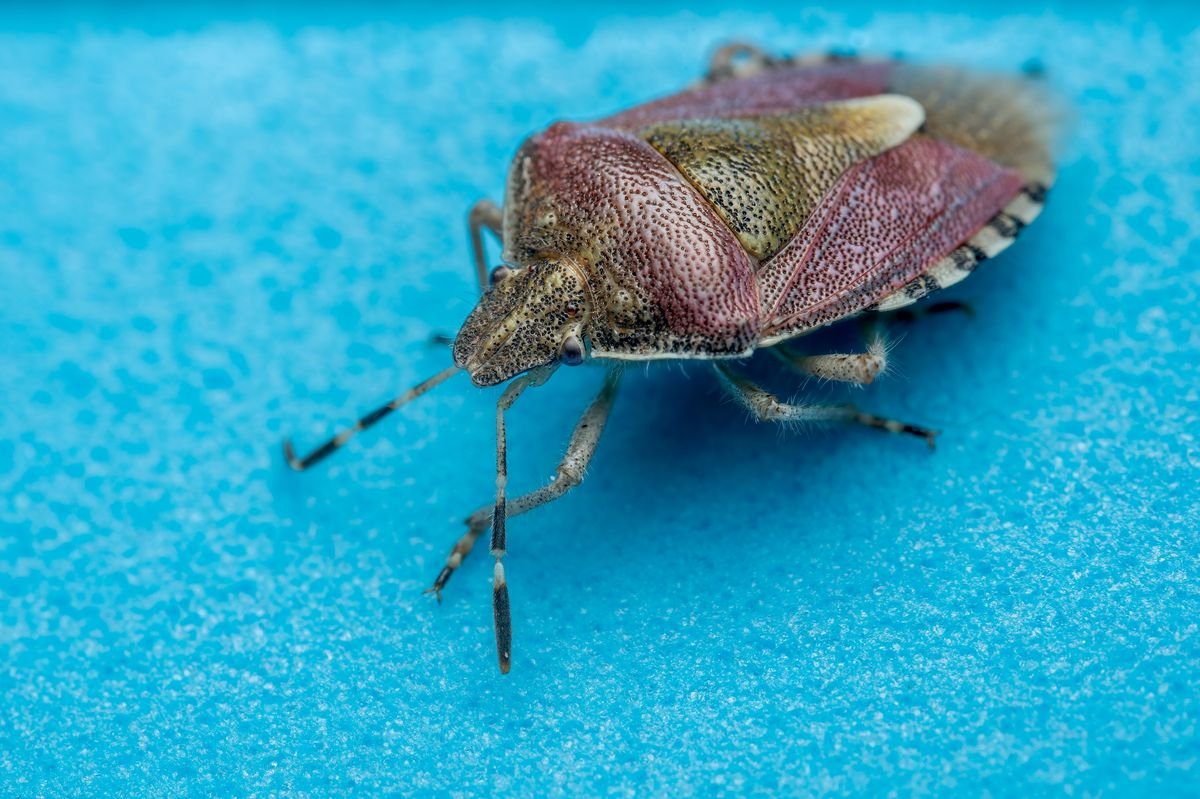
Stink bugs are common household pests, especially during fall. Dogs, being curious creatures, often investigate these bugs with their mouths. If your dog has eaten a stink bug, you may be worried about toxicity. Here is the good news: stink bugs are not toxic to dogs in the way that certain plants or chemicals are. They do not contain venom or poisons that cause systemic illness. However, that does not mean ingestion is completely harmless.
This article will explain the potential risks of stink bug ingestion, what symptoms to look for, and when you should contact your veterinarian. We will also cover how to prevent your dog from snacking on these odorous insects. By understanding the real dangers, you can keep your pet safe without unnecessary panic.
Understanding Stink Bugs and Dogs
Stink bugs are shield-shaped insects that release a pungent odor when threatened or crushed. They are not native to all regions but have spread widely. Dogs may encounter them indoors or in the yard. Their slow, clumsy movements can attract a dog’s attention, and the bug’s scent may also pique curiosity.
What Are Stink Bugs?
Stink bugs belong to the family Pentatomidae. The brown marmorated stink bug is one of the most common species in North America. They feed on plants and are typically harmless to humans and pets. Their main defense is a chemical secretion from glands on their thorax. This liquid has a strong, unpleasant smell similar to cilantro or burnt rubber. It can cause irritation to skin and eyes in people, but is not poisonous.
Why Dogs Are Interested in Stink Bugs
Dogs explore the world with their mouths. A crawling bug triggers instinct to hunt or play. Stink bugs are not fast, so dogs can easily catch them. The odor may also attract dogs, as many canines enjoy strong smells. Some dogs may even seek out stink bugs to chew on, leading to accidental ingestion.
Are Stink Bugs Poisonous to Dogs?
No, stink bugs are not poisonous to dogs. They do not inject venom or contain toxins that cause poisoning. The chemical they secrete is an irritant, not a poison. If your dog eats a stink bug, the primary concerns are physical irritation and gastrointestinal upset, not toxic poisoning. Unlike some insects like certain caterpillars or spiders, stink bugs pose no systemic danger. However, the irritant can cause oral discomfort and digestive issues.
Potential Risks of Stink Bug Ingestion
While not toxic, stink bugs can cause problems for dogs. The severity depends on how many are eaten and the dog’s sensitivity. Most cases are mild and resolve on their own. Here are the main risks to be aware of.
Oral and Gastrointestinal Irritation
The stink bug’s defensive secretion contains aldehydes and other compounds that can irritate the mouth and stomach. Dogs may drool excessively, foam at the mouth, or gag. They might vomit shortly after ingestion. Some dogs also lose their appetite or show signs of nausea. These symptoms usually pass within a few hours.
Choking or Blockage Risk
Stink bugs have hard outer shells. If a dog eats a bug whole, it could become lodged in the throat or esophagus, causing choking. This is more of a concern for small dogs. Large breed dogs are less likely to choke. Additionally, if a dog eats many stink bugs, the hard parts may accumulate and cause a gastrointestinal blockage, though this is rare.
Allergic Reactions
In rare cases, a dog may be allergic to stink bug secretions. Signs include facial swelling, hives, difficulty breathing, or severe itching. If you notice any of these symptoms, seek veterinary care immediately. Most dogs do not have allergies to stink bugs, but it is possible.
Symptoms to Watch For
If your dog eats a stink bug, observe them closely for the next few hours. Common symptoms include excessive drooling, pawing at the mouth, vomiting, and decreased appetite. You may also see coughing or gagging if the bug irritates the throat. Mild lethargy sometimes occurs. These signs are typically mild and resolve without treatment. However, if vomiting persists for more than 12 hours, or if your dog seems distressed, contact your vet. In very rare instances, dogs can develop respiratory distress from allergic reaction or aspiration.
What to Do If Your Dog Eats a Stink Bug
First, stay calm. Remove any remaining bug parts from your dog’s mouth. Offer fresh water to help wash down any irritation. Do not induce vomiting unless instructed by a vet. Monitor your dog for symptoms. If only mild drooling or a single vomit occurs, home care is usually sufficient. Call your veterinarian if you notice persistent vomiting (more than 2-3 episodes), signs of pain, difficulty breathing, or if your dog is very small and ate many bugs. Your vet may recommend supportive care like anti-nausea medication or a bland diet. In the majority of cases, no treatment is needed.
Preventing Stink Bug Encounters
The best way to protect your dog is to reduce stink bugs in your home and yard. Seal cracks around windows, doors, and foundations. Install screens on vents. Keep outdoor lights off at night because they attract bugs. Remove leaf litter and debris from your yard where stink bugs may hide. When walking your dog, watch for stink bugs on the ground. Teach a ‘leave it’ command to prevent them from picking up bugs. If you find stink bugs indoors, vacuum them up instead of crushing them to avoid releasing the odor.
The Bottom Line on Stink Bugs and Dogs
Stink bugs are not toxic to dogs, but they can cause mild irritation and discomfort. Most dogs who eat a stink bug will be fine with no lasting effects. The primary risks are drooling, vomiting, and rare instances of choking or allergic reaction. As a responsible pet owner, monitor your dog after ingestion and contact your vet if symptoms are severe or persistent. Simple prevention measures can minimize encounters. Remember, stink bugs are more of a nuisance than a danger to your furry friend.