
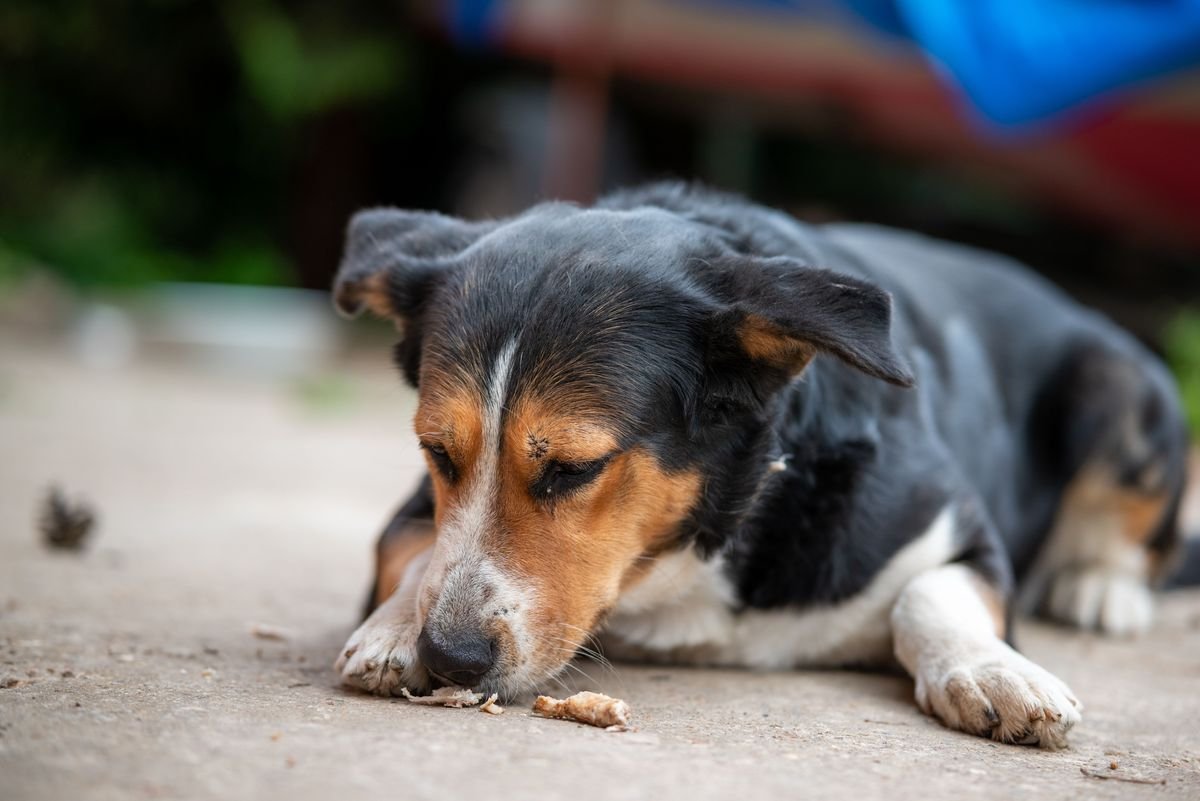
If your dog has diarrhea, you might consider reaching for a human medication like Kaopectate to help. After all, it works for people. But is Kaopectate safe for dogs? The short answer is no. Veterinarians strongly advise against giving Kaopectate to dogs because of its active ingredients and potential toxicity.
This article explains why Kaopectate is not recommended, the risks involved, and what you can safely use instead to help your dog’s upset stomach. Always consult your vet before giving any medication to your pet.
What Is Kaopectate?
Kaopectate is an over-the-counter medication used to treat diarrhea in humans. It contains bismuth subsalicylate as its active ingredient. Bismuth subsalicylate has mild anti-inflammatory and antibacterial properties and can help coat the intestinal lining.
For humans, Kaopectate is generally safe when used as directed. However, dogs metabolize medications very differently than humans. Even small amounts of certain human drugs can be dangerous for dogs.
Why Kaopectate Is Not Recommended for Dogs
The primary reason veterinarians advise against Kaopectate for dogs is its active ingredient, bismuth subsalicylate. This compound is a salicylate, chemically similar to aspirin. Dogs are especially sensitive to salicylates, which can cause significant health problems.
In addition, the inactive ingredients and fillers in Kaopectate may also be harmful to dogs. Some formulations contain xylitol, a sweetener that is highly toxic to dogs, or other additives that can upset a dog’s digestive system further.
Active Ingredients and Their Risks
The main risk from Kaopectate is the salicylate component. Salicylates can cause gastrointestinal ulcers, kidney damage, and interfere with blood clotting in dogs. Symptoms of salicylate toxicity can appear within hours of ingestion.
Bismuth itself is generally less toxic but can still cause darkening of the stool (which may be mistaken for blood) and, in large amounts, neurological signs. The combination in Kaopectate is simply not worth the risk when safer, more effective options are available.
Safer Alternatives for Managing Dog Diarrhea
Instead of reaching for human medications, consider these vet-recommended approaches for mild diarrhea in dogs. Always check with your veterinarian before starting any treatment, especially if your dog is very young, old, or has underlying health conditions.
When to Call Your Veterinarian
If your dog’s diarrhea is severe, lasts more than 24 hours, or is accompanied by other symptoms, contact your vet immediately. Warning signs include:
– Blood or black, tarry stool
– Vomiting
– Lethargy or weakness
– Loss of appetite
– Signs of dehydration (dry gums, sunken eyes, skin tenting)
– Fever
Your vet can diagnose the underlying cause and prescribe appropriate medications such as metronidazole or tylosin, which are safe and effective for dogs.
Frequently Asked Questions
Can I give my dog Pepto-Bismol instead? No, Pepto-Bismol also contains bismuth subsalicylate and carries the same risks as Kaopectate. Avoid any product containing salicylates.
What if my dog accidentally ate Kaopectate? If your dog has ingested Kaopectate, contact your veterinarian or a pet poison control center immediately. Provide the amount and concentration to help them assess the risk. Do not induce vomiting unless instructed by a professional.
Are there any human antidiarrheals safe for dogs? Some veterinarians may recommend loperamide (Imodium) in specific, controlled doses for certain dogs, but it must be under veterinary guidance. Never self-medicate your dog with any human medication.