
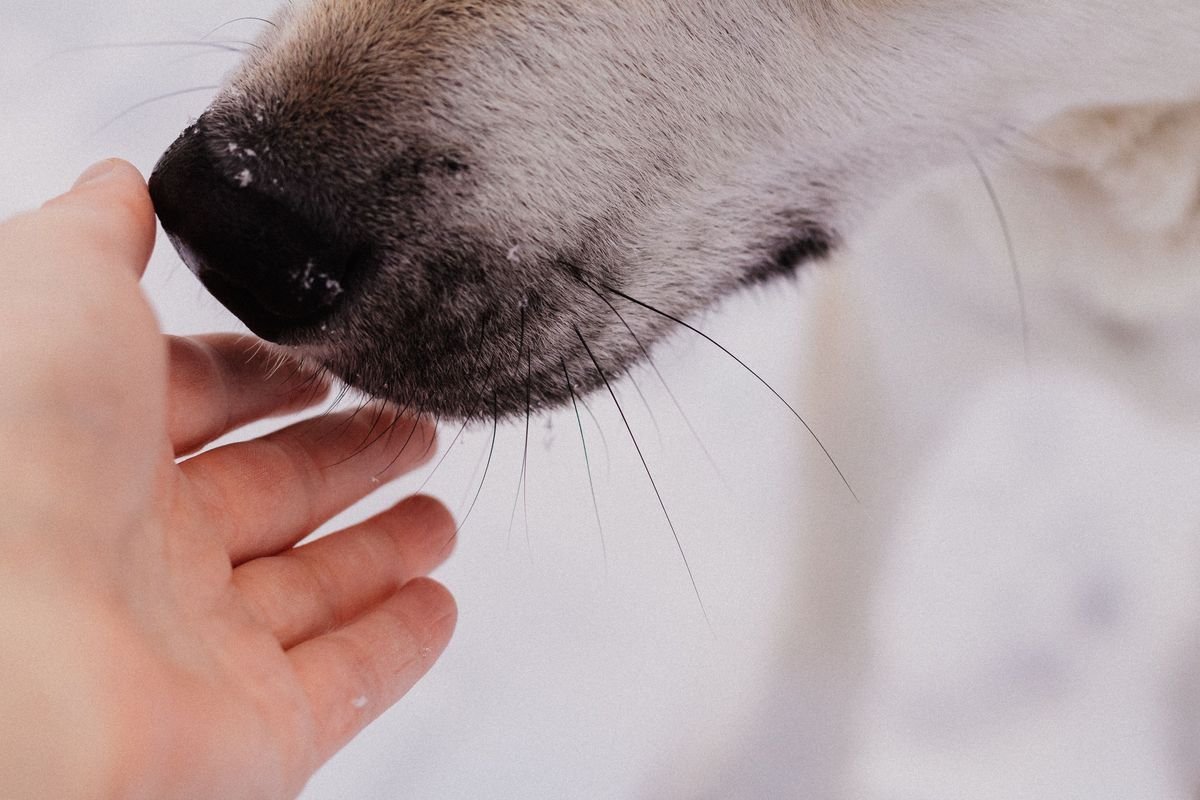
Cold sores, also known as fever blisters, are caused by the herpes simplex virus type 1 (HSV-1) in humans. If you have a cold sore, you might worry about passing it to your furry friend. This is a common concern among dog owners who share close contact with their pets. The good news is that the risk of transmission is extremely low, but understanding the science behind it can help you take proper precautions.
To answer the question directly: dogs cannot get cold sores from humans in the same way that humans transmit the virus to each other. The herpes simplex virus is highly species-specific, meaning HSV-1 is adapted to infect only human cells. Your dog’s body is not a suitable host for this virus. However, there are other viruses and conditions that can cause similar symptoms in dogs, so it is important to know the difference.
Understanding Cold Sores in Humans
Cold sores are small, fluid-filled blisters that typically appear on or around the lips. They are caused by the herpes simplex virus type 1 (HSV-1), a highly contagious virus that spreads through direct contact with the sore or infected saliva. Once a person is infected, the virus remains dormant in the body and can reactivate due to triggers like stress, illness, or sun exposure.
While HSV-1 is common in humans, it is not designed to infect other species. The virus relies on specific receptors found only on human cells to enter and replicate. This biological barrier is the primary reason why dogs are not at risk of catching cold sores from their owners.
Can Dogs Catch the Human Herpes Simplex Virus?
The short answer is no. Dogs cannot contract HSV-1 from humans. Numerous studies and veterinary experts confirm that the human herpes simplex virus does not infect dogs. The canine immune system and cellular structure do not support the virus’s replication cycle. Even if your dog directly contacts an active cold sore, the virus will not establish an infection.
However, there is a canine-specific herpesvirus known as canine herpesvirus (CHV), which affects dogs. This virus is completely different from HSV-1 and is not transmitted between species. Therefore, your cold sore poses no threat to your dog’s health.
The Difference Between Human Herpes and Canine Herpesvirus
It is easy to confuse the two because both involve herpesviruses, but they are distinct in many ways. Understanding these differences can help you recognize potential health issues in your dog.
Human HSV-1 vs. Canine Herpesvirus (CHV)
HSV-1 is a human pathogen that causes oral herpes. It is spread through kissing, sharing utensils, or touching a cold sore. In contrast, canine herpesvirus (CHV) is a virus that primarily affects dogs, causing a range of symptoms from mild respiratory signs to severe disease in puppies. CHV is not contagious to humans, and HSV-1 is not contagious to dogs.
CHV is transmitted between dogs through direct contact with infected saliva, nasal secretions, or reproductive fluids. Adult dogs may show few or no symptoms, but the virus can be fatal in newborn puppies. This is entirely separate from your cold sore.
Transmission and Symptoms in Dogs
If your dog develops sores or blisters around the mouth, it is highly unlikely to be from HSV-1. More common causes include trauma, allergies, bacterial infections, or autoimmune disorders. Canine herpesvirus in adult dogs often causes mild respiratory symptoms or no signs at all. In puppies, CHV can lead to a sudden, severe illness with difficulty breathing, abdominal pain, and death.
Because the symptoms of various canine oral conditions can resemble cold sores, it is important to have any unusual lesions examined by a veterinarian for an accurate diagnosis.
What If My Dog Licks My Cold Sore?
Even if your dog directly licks an active cold sore, the risk of infection is virtually zero. The virus cannot enter canine cells. However, there is a small chance that the virus could temporarily survive on your dog’s fur or skin and then be transferred back to a human, potentially infecting another person. This indirect transmission is rare but possible.
Additionally, licking a cold sore may introduce bacteria from your dog’s mouth into the sore, potentially causing a secondary infection in you. For your own health, it is best to prevent your dog from licking your face while you have an active cold sore.
Signs of Oral Issues in Dogs That Mimic Cold Sores
While your dog cannot get cold sores, other conditions can produce similar-looking blisters or sores. These include:
– Oral papillomas: small, cauliflower-like growths caused by a virus, often seen in young dogs.
– Eosinophilic granulomas: inflammatory lesions that can appear on the lips or inside the mouth.
– Allergic reactions: contact allergies to food or toys can cause lip swelling and sores.
– Dog acne or muzzle folliculitis: inflamed hair follicles that may look like pimples or blisters.
If you notice any sore or bump on your dog’s mouth, consult your veterinarian to rule out these conditions. Do not assume it is a cold sore.
Precautions to Protect Your Dog
Even though dogs cannot get cold sores, it is still wise to practice good hygiene. When you have an active cold sore:
– Avoid kissing your dog or letting them lick your face.
– Wash your hands after touching your sore and before handling your dog.
– Do not share utensils, towels, or bedding with your pet.
– Keep your dog away from any topical ointments or creams you use on your cold sore, as some ingredients may be toxic if ingested.
These precautions protect both you and your dog from secondary infections and keep your bond healthy.
When to See a Veterinarian
If your dog develops sores, blisters, or any unusual oral lesions, schedule a veterinary visit. Prompt diagnosis is important because some conditions, like oral tumors or infections, require treatment. Your vet may perform a physical exam, swab the sore for testing, or recommend a biopsy if needed.
Never attempt to treat your dog’s mouth sores with human cold sore medication. These products are not formulated for animals and may cause harm. Trust your veterinarian to provide the correct diagnosis and treatment plan.