
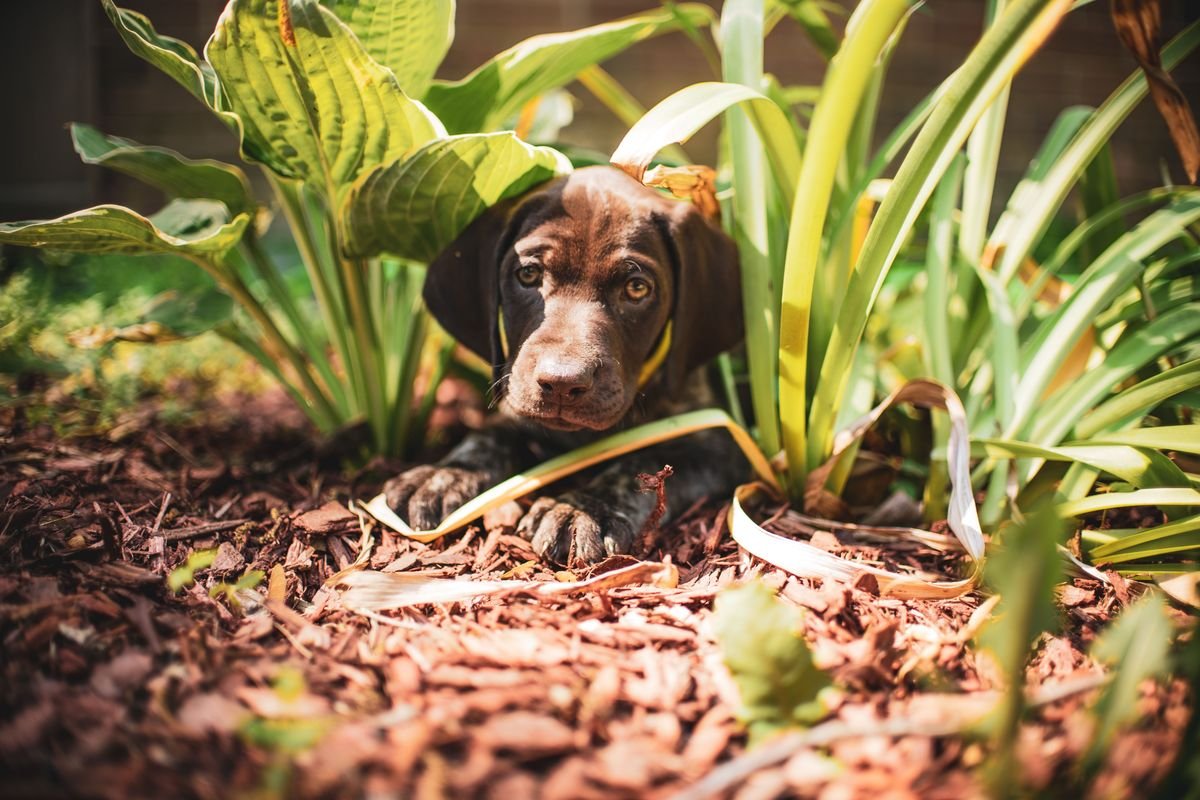
Hibiscus plants are popular in gardens and homes for their vibrant, trumpet-shaped flowers. But if you share your space with a dog, you may wonder: is hibiscus plant poisonous to dogs? The answer is not a simple yes or no. While many common hibiscus varieties are considered mildly toxic to dogs, the level of danger varies by species and the amount ingested.
Most hibiscus plants contain compounds that can cause gastrointestinal upset in dogs. However, some species like the Rose of Sharon (Hibiscus syriacus) are known to be more toxic and can lead to more serious symptoms. Understanding which hibiscus you have and the risks involved is key to keeping your furry friend safe.
Understanding Hibiscus Toxicity in Dogs
The toxicity of hibiscus plants to dogs depends on the specific species and the part of the plant consumed. In general, the flowers, leaves, and stems contain compounds that can irritate a dog’s digestive system. The most common toxic component is a group of substances called anthocyanins and other glycosides, which can cause vomiting, diarrhea, and drooling.
While most cases of hibiscus ingestion result in mild symptoms, some varieties contain higher concentrations of these toxins. The plant’s bitter taste often deters dogs from eating large amounts, but curious puppies or bored dogs may still nibble.
Which Parts of the Hibiscus Plant Are Poisonous?
All parts of the hibiscus plant are considered potentially toxic to dogs, but the flowers and leaves are the most commonly ingested. The roots and stems also contain the same irritants. However, the risk is generally low because most dogs find the taste unpleasant. If a dog consumes a large quantity, especially of the flowers, the risk of symptoms increases.
Toxic Compounds in Hibiscus
The primary toxic compounds in hibiscus are glycosides and organic acids that can cause gastrointestinal irritation. Some species also contain alkaloids that may affect the nervous system, though this is rare. The exact mechanism of toxicity is not fully understood, but the effects are usually self-limiting and resolve once the plant material is passed.
Symptoms of Hibiscus Poisoning in Dogs
Most dogs that ingest hibiscus will show mild symptoms within a few hours. Common signs include vomiting, diarrhea, drooling, and loss of appetite. Some dogs may also experience mild lethargy or abdominal discomfort. In rare cases, especially with large ingestions of toxic species like Rose of Sharon, more serious symptoms can occur, such as tremors, difficulty walking, or even seizures.
If your dog shows any of these symptoms after eating hibiscus, monitor them closely. Most cases resolve without treatment, but it is always best to consult your veterinarian, especially if symptoms persist or worsen.
What to Do If Your Dog Eats Hibiscus
If you catch your dog eating hibiscus, stay calm. First, remove any remaining plant material from their mouth and check how much they consumed. Note the species if you know it. Do not induce vomiting unless instructed by a veterinarian, as some plants can cause more damage when vomited.
Contact your veterinarian or a pet poison control center for advice. Provide details about the plant, the amount eaten, and your dog’s size and symptoms. In most cases, the vet may recommend monitoring at home or offering a bland diet. If symptoms are severe or your dog is very small, they may ask you to bring them in for supportive care.
Hibiscus Varieties: Toxic vs. Safe
Not all hibiscus plants carry the same risk. Some are more toxic than others, and a few are considered safe for dogs in small amounts. Knowing which type you have can help you assess the danger.
Common Toxic Hibiscus Species
The Rose of Sharon (Hibiscus syriacus) is one of the most toxic hibiscus varieties for dogs. It contains higher levels of irritants and has been associated with more severe symptoms. Other potentially problematic species include the Chinese hibiscus (Hibiscus rosa-sinensis) and the giant rose mallow (Hibiscus grandiflorus). If you have these in your garden, be especially cautious.
Edible Hibiscus and Safety
Some hibiscus species are actually edible and used in teas and culinary dishes. For example, Hibiscus sabdariffa (roselle) is commonly consumed by humans. While these are generally safe for dogs in small quantities, it is still best to avoid letting your dog eat any hibiscus plant material. The potential for mild digestive upset remains, and individual dogs may react differently.
Preventing Hibiscus Ingestion by Dogs
The best way to prevent hibiscus poisoning is to keep your dog away from the plants. If you have toxic varieties, consider planting them in areas your dog cannot access, such as fenced-off garden beds or hanging baskets. Supervise your dog during outdoor time and train them to avoid chewing on plants.
For indoor hibiscus, place them on high shelves or in rooms your dog does not enter. If your dog is a persistent chewer, you may want to remove the plants altogether. Providing safe chew toys and plenty of exercise can also reduce the likelihood of your dog turning to plants for entertainment.
Conclusion
So, is hibiscus plant poisonous to dogs? The answer is yes, but with low toxicity in most cases. The majority of hibiscus species cause only mild gastrointestinal upset, but some varieties like Rose of Sharon pose a higher risk. Always monitor your dog around hibiscus plants and seek veterinary advice if you suspect ingestion. With proper precautions, you can enjoy your hibiscus without worry.