
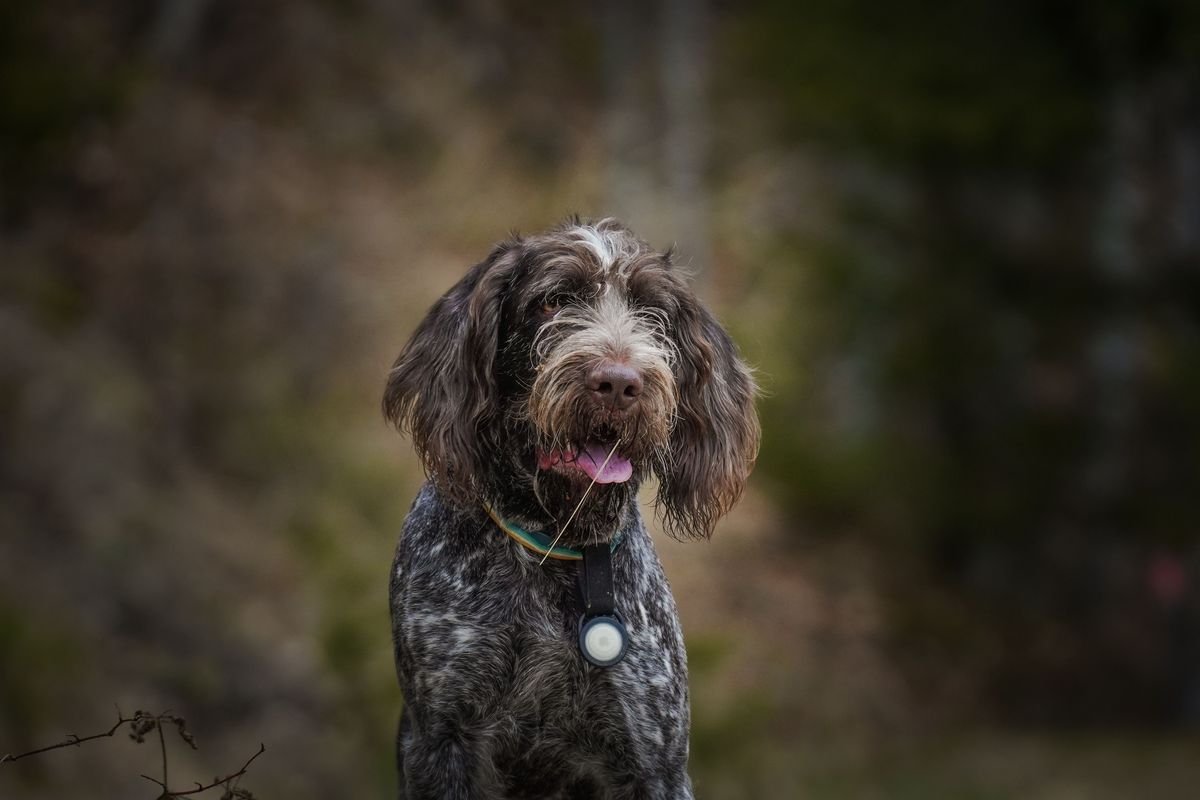
If you’ve ever noticed your dog breathing rapidly, you might have wondered, “Why do dogs breathe fast?” It’s a common concern among pet owners. Dogs naturally have a faster respiratory rate than humans, but sometimes rapid breathing (tachypnea) can signal an underlying issue. The key is understanding the context—whether your dog just finished playing, is feeling anxious, or is at rest. This article breaks down the normal and abnormal causes of fast breathing in dogs, helping you recognize when it’s harmless and when it requires veterinary attention.
Normal Reasons for Fast Breathing in Dogs
Many causes of fast breathing are completely normal and part of a dog’s everyday life. Here are the most common non-medical reasons:
Exercise and Play
Just like humans, dogs breathe faster after physical activity. Running, fetching, or intense play increases their oxygen demand, and rapid breathing helps restore normal oxygen levels. This type of fast breathing should subside within a few minutes of rest. If it persists for longer than 10-15 minutes without your dog settling down, it could be a cause for concern.
Excitement or Stress
Dogs may pant or breathe rapidly when they’re excited—for example, when you come home, during car rides, or before a walk. Similarly, stress or fear (such as during thunderstorms or vet visits) can trigger a fast respiratory rate. This is a normal stress response driven by adrenaline. Once the stimulus is removed, the breathing should return to normal.
Heat and Panting
Dogs don’t sweat like humans; they cool themselves primarily through panting. On a warm day or after exercise, rapid, open-mouth breathing helps evaporate moisture from their tongue and respiratory tract, lowering body temperature. If your dog is panting heavily in a hot environment, ensure access to shade and water, and watch for signs of heatstroke (excessive drooling, lethargy, vomiting).
Dreaming and Sleep
Have you ever seen your dog twitching or breathing quickly while asleep? That’s often during REM sleep, when they’re dreaming. These breathing changes are normal and temporary. However, if your dog breathes fast while resting and awake, that may indicate an issue.
Medical Reasons for Rapid Breathing
Sometimes fast breathing is a symptom of an underlying health problem. If your dog is breathing rapidly without an obvious cause (like exercise or heat), consider these possibilities:
Respiratory Problems
Infections like kennel cough, pneumonia, or bronchitis can cause rapid, labored breathing. Other signs include coughing, nasal discharge, and lethargy. Allergies or obstructions in the airway (such as a foreign object) can also lead to tachypnea. Brachycephalic breeds (e.g., Bulldogs, Pugs) are especially prone to breathing difficulties due to their flat faces.
Heart Disease
Heart conditions, such as congestive heart failure, can reduce the heart’s ability to pump blood efficiently. This leads to fluid buildup in the lungs and causes rapid, shallow breathing. Other signs include coughing (especially at night), weakness, and fainting. Older dogs are more at risk.
Pain or Discomfort
Dogs in pain—from conditions like arthritis, pancreatitis, injury, or bloat—may breathe faster. If your dog is also restless, whining, or avoiding touch, pain could be the cause. Bloat (gastric dilatation-volvulus) is a life-threatening emergency that causes rapid breathing, a distended abdomen, and retching.
Anemia
Low red blood cell count (anemia) means less oxygen is delivered to tissues. To compensate, dogs breathe faster. Anemia can be caused by blood loss, immune disease, or toxins (like rat poison). Pale gums are a common sign.
Fever
An elevated body temperature due to infection or illness increases metabolic rate, leading to faster breathing. If your dog feels warm to the touch and has a fever (above 102.5°F), consult your vet.
When to Worry: Signs of Abnormal Breathing
How can you tell if your dog’s fast breathing is an emergency? Pay attention to context and accompanying symptoms.
Resting Respiratory Rate
A normal resting respiratory rate for dogs is 15-30 breaths per minute. To check, count breaths when your dog is relaxed or asleep. If the rate is consistently above 30-40 breaths per minute at rest, or if it increases significantly from your dog’s baseline, contact your vet.
Other Symptoms to Watch For
Seek immediate veterinary care if fast breathing is accompanied by: blue or pale gums, difficulty breathing (open-mouth breathing that seems labored), coughing, collapse, weakness, restlessness, excessive drooling, or a distended abdomen. Also be alarmed if fast breathing occurs for no obvious reason and does not subside within 30 minutes.
What to Do If Your Dog is Breathing Fast
If you notice your dog breathing fast, first assess the situation: Is it hot? Did they just exercise? Are they stressed? If it seems related to a normal trigger, allow them to rest in a cool, quiet spot and monitor for a few minutes. If the rapid breathing persists for more than 10-15 minutes after rest, or if you see any of the alarming signs above, schedule a vet visit or go to an emergency clinic. Your veterinarian can perform a physical exam, blood work, X-rays, or other tests to determine the cause and recommend treatment.
Remember, you know your dog best. Trust your instincts—if something doesn’t feel right, it’s always better to be safe and seek professional advice.