
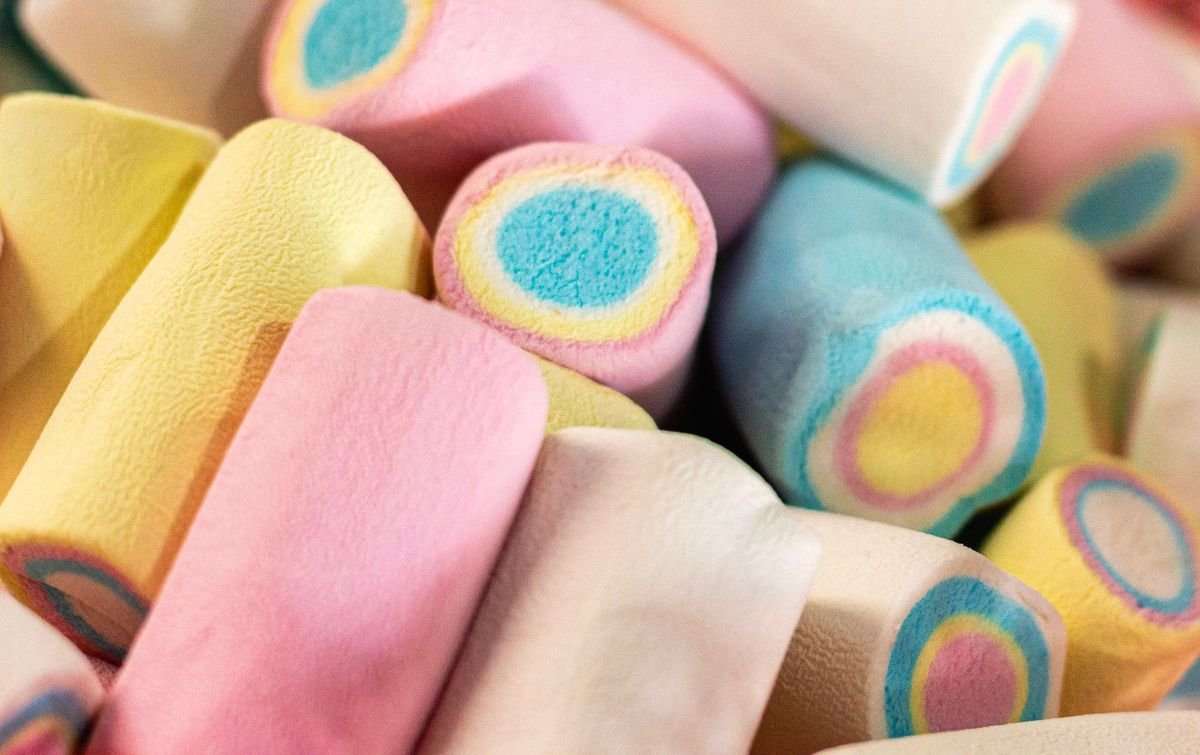
If you’re enjoying a bag of fluffy marshmallows around your dog, you may wonder if sharing one is safe. The short answer is no—marshmallows are not a suitable treat for dogs. While a single plain marshmallow might not cause immediate harm, they offer no nutritional value and pose several health risks. This article explains why marshmallows should stay off your dog’s menu, what to do if your dog eats them, and healthier alternatives you can offer instead.
Why Marshmallows Are Unsafe for Dogs
Marshmallows are made primarily of sugar, water, and gelatin—ingredients that are not toxic in small amounts but can lead to health issues. The main concerns include choking hazards, sugar overload, and the presence of xylitol in sugar-free varieties.
High Sugar Content
Marshmallows are almost pure sugar. Feeding sugary treats to dogs can contribute to obesity, dental problems, and even diabetes over time. A sudden sugar spike may also cause digestive upset like vomiting or diarrhea.
Choking and Intestinal Blockage
Marshmallows are soft and sticky, making them a potential choking hazard, especially for small dogs. They can also clump together and cause an intestinal obstruction if swallowed whole in large amounts.
The Xylitol Danger: Sugar-Free Marshmallows
The most serious risk comes from sugar-free marshmallows. Many contain xylitol, an artificial sweetener that is highly toxic to dogs. Xylitol causes a rapid release of insulin, leading to dangerously low blood sugar (hypoglycemia) within 30–60 minutes. Symptoms include weakness, vomiting, loss of coordination, and seizures. In severe cases, xylitol poisoning can cause liver failure and death. Always check the label—even a small amount can be deadly.
What to Do If Your Dog Eats a Marshmallow
If your dog sneaks a marshmallow, first identify the type. For a single plain (sugared) marshmallow: monitor for any signs of digestive upset, but it’s likely okay. For multiple marshmallows: watch for vomiting, diarrhea, or lethargy; contact your vet if symptoms appear. If the marshmallow contains xylitol or you’re unsure, call your veterinarian or a pet poison helpline immediately. Time is critical with xylitol poisoning.
Healthy Alternatives to Marshmallows
Instead of marshmallows, offer your dog treats that are both safe and nutritious. Here are some vet-approved options:
Fruits and Vegetables
Small pieces of apple (no seeds), banana, blueberries, or watermelon make sweet, low-calorie treats. Many dogs also enjoy raw carrots, green beans, or cucumber slices.
Commercial Dog Treats
Look for treats made with simple, natural ingredients like sweet potato, peanut butter (xylitol-free), or pumpkin. Freeze-dried meat treats are also a great high-protein reward.
Homemade Frozen Treats
Blend plain yogurt, peanut butter, and a little banana, then freeze in silicone molds. These are safe, refreshing, and mimic the soft, chewy texture dogs love.
Final Verdict: Can Dogs Have Marshmallows?
While a plain marshmallow here and there may not be toxic, the risks outweigh any benefit. The sugar content, potential choking hazard, and the real danger of xylitol make marshmallows a treat best reserved for humans. Stick to dog-safe alternatives and always consult your veterinarian before introducing new foods. Your furry friend will thank you with a wagging tail—not a tummy ache.