
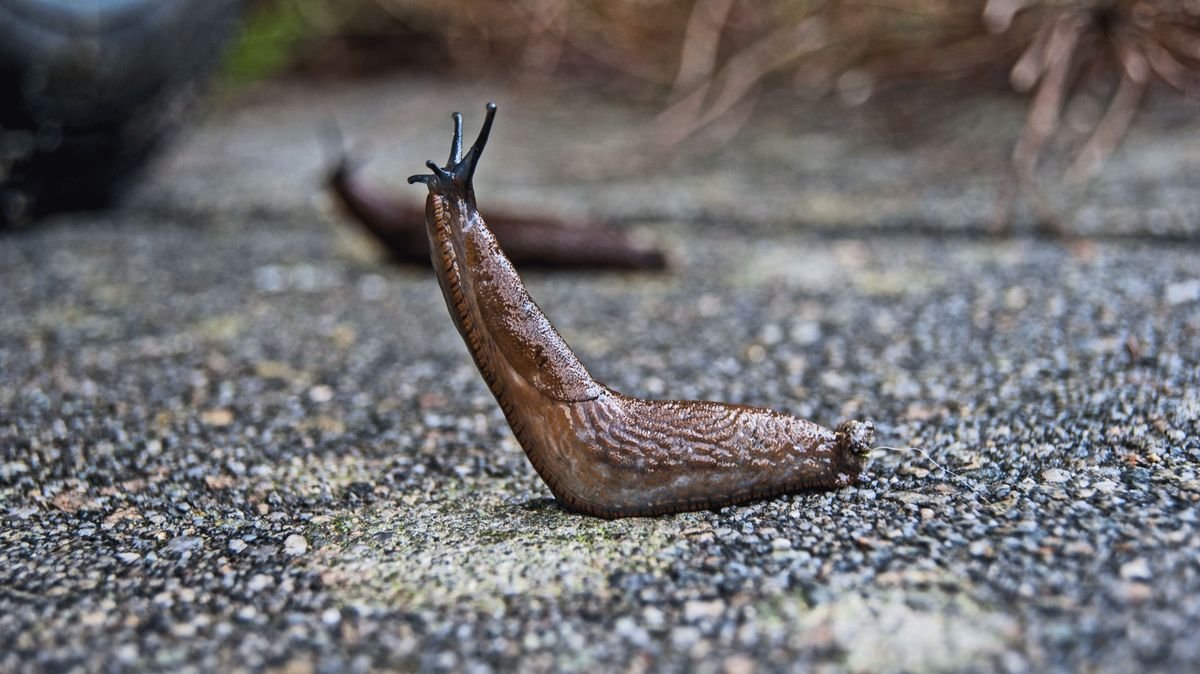
You might have seen your dog sniffing or even licking a slug in the garden. The question naturally arises: can dogs eat slugs? The short answer is no. Slugs are not safe for dogs and can cause serious health problems.
While a single slug might not seem threatening, these slimy creatures can carry parasites, bacteria, and toxins that are harmful to your dog. Understanding the risks and knowing what to do if your dog eats a slug is important for every pet owner.
Why Dogs Are Attracted to Slugs
Dogs explore the world with their mouths. Slugs move slowly and leave a trail of slime that may smell interesting to a curious dog. Some dogs are simply drawn to the texture or movement, especially during damp weather when slugs are most active.
Puppies and dogs with a high prey drive are more likely to investigate and ingest slugs. If your dog has a habit of eating non-food items, they might also be more prone to snacking on slugs.
The Taste and Smell of Slugs
Slugs produce a thick mucus that can be appealing to dogs. This slime contains proteins and other compounds that may trigger a dog’s sense of smell. While not every dog will show interest, many will at least give a slug a tentative lick.
Curiosity and Boredom
Dogs left alone in the yard for long periods may turn to investigating slugs as a form of entertainment. Ensuring your dog has enough toys, exercise, and mental stimulation can reduce this behavior.
The Dangers of Slugs for Dogs
Slugs pose several health risks to dogs. The most serious is the transmission of parasites, particularly lungworm. Additionally, slugs can carry bacteria and may have been exposed to toxic chemicals.
Lungworm and Other Parasites
Slugs are intermediate hosts for the lungworm parasite (Angiostrongylus vasorum). When a dog eats a slug, the larvae can migrate through the body and develop into adult worms in the heart and lungs. This can lead to coughing, breathing difficulties, bleeding disorders, and even death if untreated.
Other parasites like rat lungworm (Angiostrongylus cantonensis) are also possible, though less common in some regions. These can affect the central nervous system, causing neurological symptoms.
Bacterial and Viral Infections
The slime and body of slugs can harbor bacteria such as Salmonella and E. coli. While a healthy dog may fight off these infections, puppies or dogs with weakened immune systems are at higher risk of gastrointestinal upset.
There is also a theoretical risk of dogs contracting viruses from slugs, though this is not common. Still, it adds to the overall recommendation to avoid slug consumption.
Toxic Chemicals and Pesticides
Slugs in gardens are often targeted with slug pellets or other pesticides. If a dog eats a slug that has ingested poison, the dog can suffer secondary poisoning. Symptoms include drooling, vomiting, tremors, and seizures. Even organic slug repellents can be harmful in large amounts.
What to Do If Your Dog Eats a Slug
If you catch your dog eating a slug, stay calm. The risk of illness is relatively low from a single incident, but it’s important to monitor your dog closely over the next few weeks.
Monitor for Symptoms
Watch for signs of lungworm infection, which can appear weeks to months after ingestion. Symptoms include coughing, lethargy, weight loss, unusual bruising, or bleeding. Also look for vomiting, diarrhea, or signs of poisoning like drooling or tremors.
If you notice any of these symptoms, contact your veterinarian immediately.
When to Call the Vet
If your dog shows immediate distress after eating a slug, such as excessive drooling, vomiting, or difficulty breathing, call your vet right away. For dogs that seem fine, it’s wise to mention the incident at your next checkup. Some vets recommend routine parasite prevention that covers lungworm, especially in areas where slugs are common.
Treatment Options
Treatment for lungworm involves antiparasitic medications, often with a course of steroids to reduce inflammation. The earlier the infection is caught, the better the prognosis. For bacterial infections or poisoning, supportive care such as fluids, antibiotics, or activated charcoal may be needed.
How to Prevent Slug Eating
Prevention is key. By reducing your dog’s access to slugs and training them to leave slugs alone, you can minimize the risk.
Garden Management
Keep your garden clean and free of debris where slugs hide. Remove leaf piles, boards, and other shelters. Consider using pet-safe slug deterrents like copper tape or diatomaceous earth. Avoid chemical slug pellets entirely if you have a dog.
Supervise Outdoor Time
When your dog is outside, especially after rain or watering, keep a close eye on them. If you see them sniffing at a slug, call them away with a command or a toy. Early intervention can stop the habit.
Training and Alternatives
Teach a solid ‘leave it’ command. Reward your dog for ignoring slugs. Provide plenty of safe chew toys and puzzles to keep their mouth occupied. A mentally stimulated dog is less likely to seek out slugs.
The Bottom Line
Dogs should not eat slugs. The potential for lungworm, bacterial infections, and poisoning makes slugs a risky snack. If your dog eats one, monitor them closely and consult your vet if symptoms arise. With prevention and training, you can keep your dog safe from these slimy hazards.