
Matcha has become a beloved superfood for humans, packed with antioxidants and a gentle energy boost. But if your dog gives you those puppy eyes while you sip your latte, you may wonder: can dogs eat matcha?
The short answer is no. Matcha is not safe for dogs in any appreciable amount. While a tiny accidental lick likely won’t cause harm, intentional feeding can lead to serious health issues due to its caffeine and theobromine content. Let’s break down why matcha is dangerous and what you should do if your dog ingests it.
What Is Matcha?
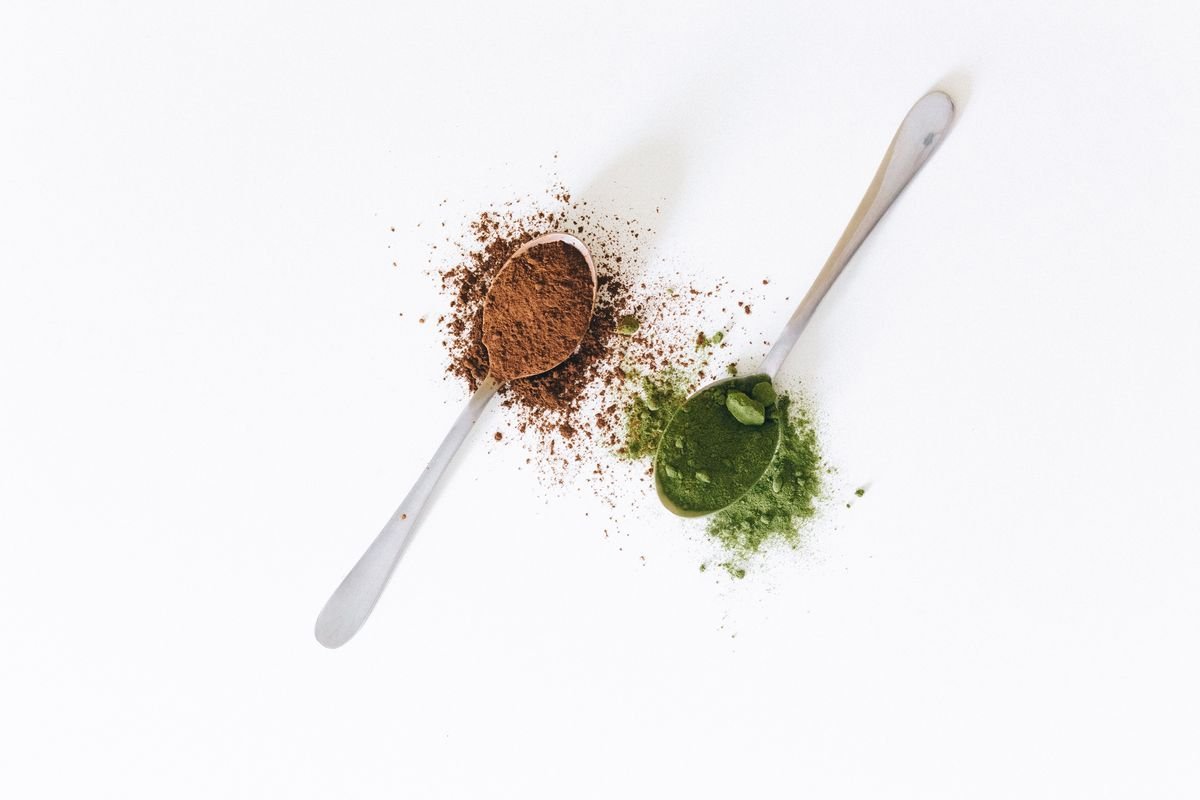
Matcha is a finely ground powder made from specially grown and processed green tea leaves. It contains higher concentrations of caffeine and antioxidants than regular brewed green tea because the whole leaf is consumed. In humans, it’s praised for calm alertness, but in dogs, the same compounds can be toxic.
Is Matcha Safe for Dogs?
No, matcha is not safe for dogs. The primary concerns come from two stimulants: caffeine and theobromine. Both are found in higher amounts in matcha than in standard green tea, and dogs metabolize these substances much more slowly than humans.
The Caffeine Concern
Caffeine is a methylxanthine stimulant that can cause restlessness, rapid heart rate, panting, and even seizures in dogs. The amount of caffeine in matcha varies by brand, but it generally contains 30–70 mg of caffeine per gram of powder. For a 20-pound dog, even half a teaspoon could be dangerous. Symptoms of caffeine poisoning include vomiting, diarrhea, hyperactivity, tremors, and in severe cases, collapse.
Theobromine in Matcha
Theobromine is the same compound that makes chocolate toxic to dogs. While matcha contains far less theobromine than dark chocolate, it is still present in measurable amounts. Dogs cannot effectively break down theobromine, leading to accumulation and toxicity. Theobromine poisoning causes similar signs to caffeine: increased heart rate, restlessness, muscle twitching, and potentially life-threatening cardiac arrhythmias.
Other Ingredients in Matcha Treats
Many human-grade matcha treats or matcha-flavored products also contain added sugars, milk, or artificial sweeteners like xylitol. Xylitol is extremely toxic to dogs, causing rapid insulin release and dangerous hypoglycemia. If you are considering giving your dog anything matcha flavored, check the ingredient list carefully for xylitol and other additives.
Potential Health Benefits of Matcha for Dogs
Some pet owners wonder if the antioxidants in matcha could benefit their dogs. While matcha is rich in catechins (antioxidants) that fight inflammation in humans, there is no evidence that the benefits outweigh the risks for dogs. Dogs are smaller, more sensitive to stimulants, and their bodies process these compounds differently. Safer antioxidant sources include blueberries, spinach, and specially formulated canine supplements.
How to Safely Offer Matcha to Your Dog (If at All)
The safest approach is to avoid matcha entirely. However, if you are determined to give your dog a taste, follow these strict guidelines to minimize risk. But remember, even trace amounts can cause issues in small or sensitive dogs.
Safe Amounts
There is no established safe dose of matcha for dogs. A very small amount, such as a pinch (less than 1/8 teaspoon) mixed into food, might be tolerated by a large breed dog, but it is not recommended. For small breeds or dogs with underlying health conditions, any amount could be problematic. Consult your veterinarian before introducing matcha.
Preparation Tips
If you choose to proceed, use only pure matcha powder with no additives. Mix a tiny amount into plain yogurt or unsweetened pumpkin puree. Avoid matcha lattes, cookies, or any product containing sugar, milk, or xylitol. Monitor your dog closely for any adverse reactions for at least 24 hours, and stop immediately if you see signs of discomfort.
Risks and Signs of Matcha Toxicity
Recognizing the signs of caffeine or theobromine poisoning is critical. Symptoms typically appear within 1 to 4 hours after ingestion. Watch for:
– Vomiting and diarrhea
– Excessive panting or restlessness
– Hyperactivity or excitability
– Tremors or muscle twitching
– Rapid or irregular heartbeat
– Seizures or collapse
If your dog shows any of these signs after consuming matcha, contact your veterinarian or a pet poison helpline immediately. Do not induce vomiting unless instructed by a professional. Treatment may include activated charcoal, intravenous fluids, and medications to control heart rate and seizures.
Conclusion
In summary, matcha is not a safe treat for dogs. The risks of caffeine and theobromine poisoning far outweigh any potential antioxidant benefits. Stick to dog friendly alternatives like plain fresh fruits and vegetables or vet approved treats. If your dog accidentally ingests matcha, monitor closely and seek veterinary care if symptoms develop. Your dog’s health and safety should always come first.