
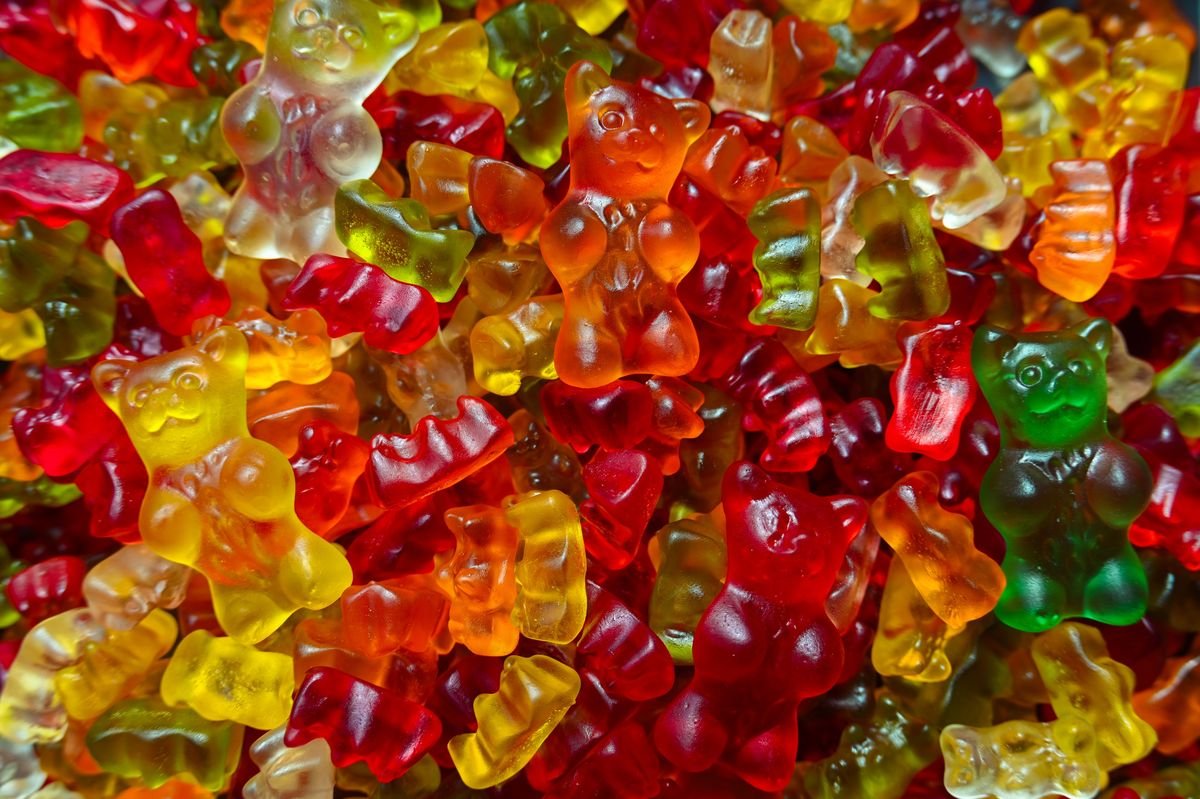
If your dog snatches a gummy bear off the floor, you might wonder if it is harmful. Gummy bears are not toxic to dogs in most cases, but they come with significant health risks. The main concerns are sugar content, artificial ingredients, and the potential presence of xylitol, a sweetener that is highly toxic to dogs.
While a single gummy bear might not cause a major issue, regular consumption or eating a large amount can lead to serious health problems. Understanding the ingredients and their effects can help you keep your dog safe and make informed choices about treats.
Ingredients to Watch Out For
Gummy bears contain several ingredients that are problematic for dogs. The severity depends on the specific product and the amount consumed.
Sugar and Sugar Substitutes
Gummy bears are loaded with sugar. Excess sugar can cause digestive upset, obesity, and dental issues in dogs. Some sugar-free varieties contain xylitol, a common sugar substitute that is extremely toxic to dogs. Xylitol causes a rapid insulin release, leading to hypoglycemia (low blood sugar) and potentially liver failure. Even a small amount of xylitol can be dangerous. Always check the ingredients for xylitol before giving any human candy to your dog.
Artificial Colors and Flavors
Many gummy bears are dyed with artificial colors like Red 40, Yellow 5, and Blue 1. While these are not acutely toxic, some dogs may have allergic reactions or sensitivity. There is also concern about long-term effects, though more research is needed. Artificial flavors are generally not harmful in small amounts but offer no nutritional value.
Gelatin and Other Gelling Agents
Gelatin, derived from animal collagen, is not toxic to dogs. In fact, it is sometimes used in commercial dog treats. However, the high sugar content and other additives in gummy bears make them unhealthy. Some gummy bears use pectin or starch, which are also not harmful but do not improve the nutritional profile.
Health Risks of Gummy Bears for Dogs
Even without xylitol, gummy bears pose several health risks when consumed by dogs. The amount eaten and the dog’s size play a role in how severe the effects are.
Digestive Upset
The high sugar content and artificial ingredients can cause vomiting, diarrhea, or stomach discomfort. Dogs with sensitive stomachs are more prone to these issues. A small dog that eats several gummy bears is more likely to experience digestive upset than a large dog eating the same amount.
Obesity and Dental Problems
Gummy bears are calorie-dense and offer no nutritional benefits. Regular consumption can contribute to weight gain and obesity, which leads to other health issues like joint problems and diabetes. The sticky sugar also clings to teeth, increasing the risk of cavities and gum disease.
Choking and Intestinal Blockage
Gummy bears are chewy and can be a choking hazard, especially for small dogs. If swallowed whole, they can cause an intestinal blockage, particularly if many are consumed. Signs of blockage include vomiting, lethargy, and loss of appetite.
Toxicity Risk from Xylitol
Xylitol is the most dangerous ingredient. If your dog eats gummy bears containing xylitol, symptoms can occur within 30 minutes to a few hours. These include weakness, disorientation, seizures, and collapse. Immediate veterinary attention is critical. Even sugar-free gummy bears may contain other sugar alcohols like maltitol, which are not highly toxic but can cause diarrhea.
What to Do If Your Dog Eats Gummy Bears
If your dog eats gummy bears, first check the packaging for xylitol. If no xylitol is present and only a small amount was eaten, monitor your dog for signs of upset. If your dog ate a large quantity, or if xylitol is an ingredient, contact your veterinarian or a pet poison helpline immediately. Provide them with the type and amount of gummy bears consumed, and the dog’s weight. Do not induce vomiting unless instructed by a professional.
Healthy Alternatives to Gummy Bears
Instead of gummy bears, offer your dog treats made specifically for them. Fruits like blueberries, apple slices (without seeds), or frozen banana pieces can satisfy a sweet craving. There are also commercial dog chews and dental treats that are safe and nutritious. Always introduce new foods in small amounts to see how your dog reacts.