
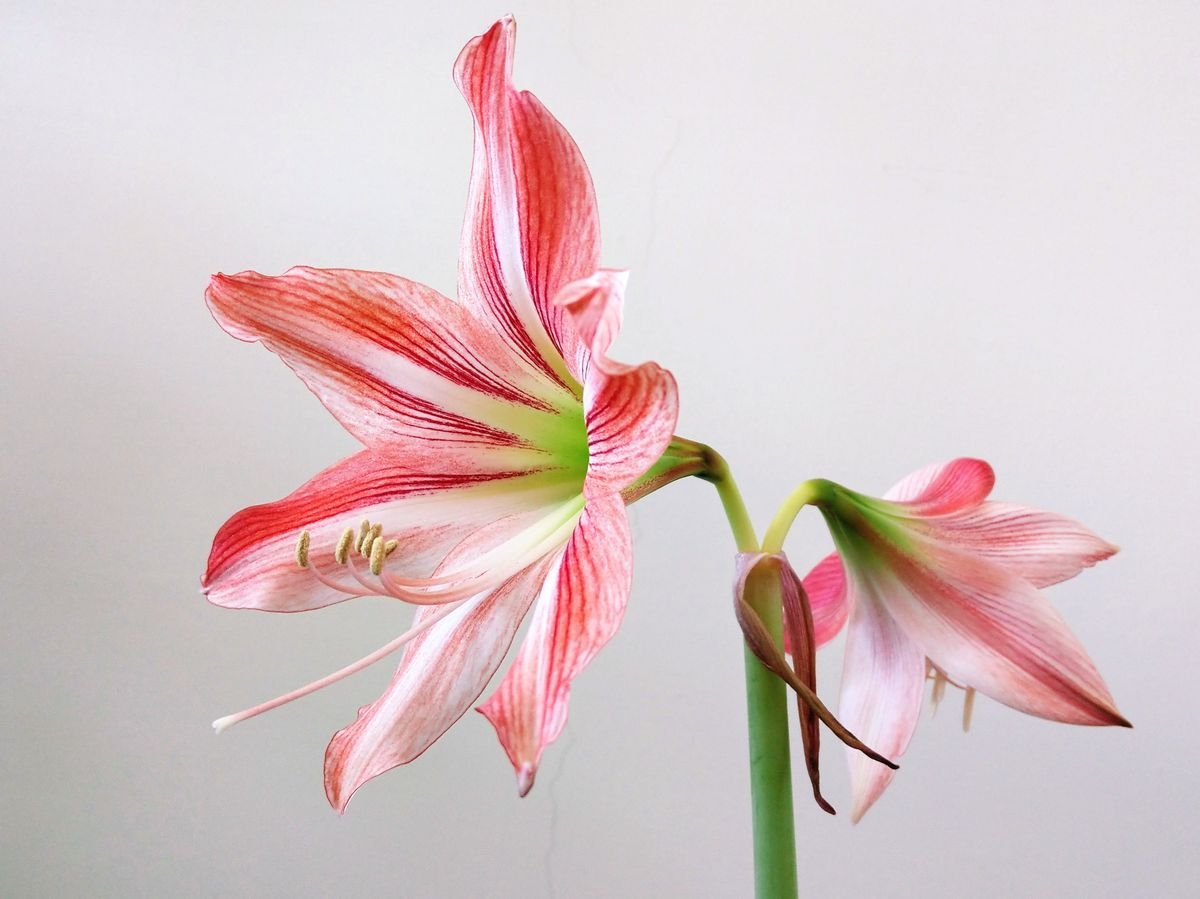
Amaryllis is a popular flowering plant often grown indoors during the winter holidays. Its striking blooms add festive color to homes. However, if you share your home with a dog, you need to know that amaryllis is toxic to dogs. Ingesting any part of this plant can cause symptoms ranging from mild gastrointestinal upset to more serious complications. This article explains the risks, what to watch for, and how to keep your furry friend safe.
Understanding Amaryllis Toxicity in Dogs
Amaryllis (Hippeastrum spp.) contains several toxic compounds, most notably lycorine and other alkaloids. These substances are concentrated in the bulb but are present throughout the plant. When a dog chews or ingests amaryllis, these chemicals can cause poisoning. The severity depends on the amount eaten and the size of the dog. Even small amounts can lead to symptoms.
What Makes Amaryllis Toxic?
The primary toxin in amaryllis is lycorine, an alkaloid that affects the gastrointestinal system and can also impact the nervous system. Other phenanthridine alkaloids contribute to the plant’s toxicity. These compounds are not destroyed by drying or cooking, so all forms of the plant, including dried leaves or bulbs, remain dangerous. The plant’s bitter taste often deters dogs from eating large amounts, but curious puppies or enthusiastic chewers may still ingest enough to cause harm.
Which Parts of the Plant Are Dangerous?
All parts of the amaryllis plant are toxic, but the bulb is the most dangerous. The bulb contains the highest concentration of lycorine and other alkaloids. Leaves, stems, and flowers also contain these toxins, though in lower amounts. Ingestion of even a few petals can cause mild symptoms in small dogs. The sap may also cause skin irritation in some animals.
Symptoms of Amaryllis Poisoning in Dogs
Symptoms typically appear within a few hours of ingestion. Common signs include drooling, vomiting, diarrhea, and loss of appetite. More severe cases may involve abdominal pain, lethargy, tremors, or even seizures. In rare instances, ingestion of large quantities can lead to a drop in blood pressure, respiratory depression, or coma. If you notice any of these signs and suspect amaryllis ingestion, contact your veterinarian immediately.
What to Do If Your Dog Eats Amaryllis
Stay calm but act quickly. Remove any remaining plant material from your dog’s mouth. Do not induce vomiting unless specifically instructed by a veterinarian, as some toxins can cause additional harm when vomited. Call your veterinarian or a pet poison control hotline (such as the ASPCA Animal Poison Control Center at (888) 426-4435). Provide them with information about what your dog ate, how much, and when. Follow their advice. If possible, bring a sample of the plant to the vet for identification.
Treatment for Amaryllis Poisoning
Treatment depends on the severity of the poisoning. For mild cases, your vet may recommend monitoring at home with supportive care, such as offering small amounts of water and withholding food for a few hours to settle the stomach. More serious cases may require veterinary hospitalization. Treatment can include intravenous fluids to prevent dehydration, medications to control vomiting or seizures, and activated charcoal to absorb toxins. With prompt care, most dogs recover fully within 24 to 48 hours.
Preventing Amaryllis Poisoning
The best prevention is to keep amaryllis plants out of reach of your dog. Place them on high shelves, hanging baskets, or in rooms your dog cannot access. During the holidays, be especially vigilant if you have amaryllis as part of your decor. Alternatively, consider using artificial amaryllis flowers for a pet-safe festive look. Always supervise your dog around any houseplants, and train a reliable “leave it” command to prevent them from nibbling on plants.
Safe Alternatives to Amaryllis for Dog Owners
If you love the look of amaryllis but want to avoid the risk, choose dog-safe plants that offer similar beauty. Some non-toxic options include African violets, spider plants, or Christmas cactus. These plants add color and greenery without endangering your pet. Always double-check the scientific name of any plant before bringing it home, as common names can be misleading. The ASPCA maintains a comprehensive list of toxic and non-toxic plants for dogs.