
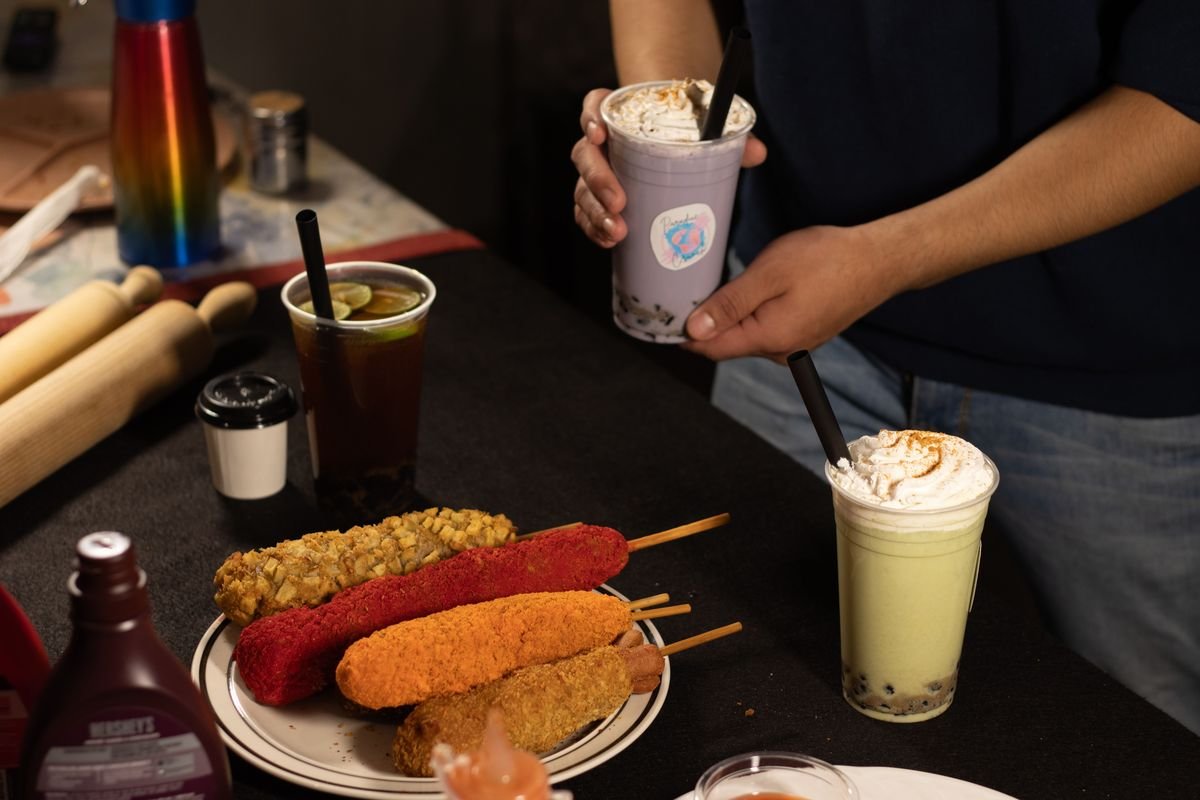
Boba, also known as bubble tea, has become a wildly popular drink around the world. Those chewy tapioca pearls and sweet, creamy beverages are a treat for many people. But if you are a dog owner, you may wonder: can dogs eat boba?
The short answer is no. Boba is not safe for dogs. While a single tapioca pearl might not cause immediate harm, the ingredients commonly found in boba drinks pose several health risks to your canine companion. Let’s break down why boba is dangerous and what you should do if your dog accidentally eats some.
What Is Boba?
Boba refers to the chewy, gelatinous balls made from tapioca starch, often added to sweet milk tea or fruit drinks. The tapioca pearls themselves are made from cassava root starch and water, giving them a unique texture. However, boba drinks typically contain other ingredients like black or green tea, milk, sweeteners, flavorings, and sometimes fruit syrups or powders. Each of these components can be problematic for dogs.
Health Risks of Boba for Dogs
Boba is not just one ingredient; it is a combination of several elements, many of which are dangerous for dogs. Understanding these risks can help you keep your pet safe.
Choking Hazard
Tapioca pearls are small, round, and extremely slippery. They are a choking hazard for dogs, especially small breeds or dogs that gulp their food without chewing. If a pearl becomes lodged in the throat, it can block the airway and cause respiratory distress. Even if the pearl passes, it may cause discomfort or obstruction in the esophagus.
Caffeine and Theobromine Toxicity
Many boba drinks are made with black or green tea, which contains caffeine. Some milk teas also include cocoa or chocolate flavorings, which contain theobromine. Both caffeine and theobromine are toxic to dogs. Even small amounts can cause restlessness, rapid heart rate, vomiting, diarrhea, and in severe cases, seizures or death. The amount of tea in a typical boba drink can be enough to cause symptoms in a small dog.
High Sugar Content
Boba drinks are loaded with sugar, whether from syrups, sweetened condensed milk, or the tapioca pearls themselves (which are often cooked in sugar syrup). A high sugar intake can lead to obesity, dental problems, and digestive upset in dogs. It may also trigger pancreatitis, a painful and dangerous inflammation of the pancreas. Dogs do not need added sugar in their diet, and their bodies are not designed to process large amounts.
Dairy Sensitivity
Many boba drinks contain milk, creamer, or other dairy products. Most adult dogs are lactose intolerant, meaning they lack the enzyme lactase to break down lactose in milk. Consuming dairy can lead to gas, bloating, diarrhea, and stomach discomfort. The rich, fatty dairy used in boba can also contribute to pancreatitis.
Artificial Additives and Preservatives
Boba drinks often contain artificial flavors, colors, and preservatives. These chemicals are not tested for canine safety and may cause allergic reactions or digestive issues. Some flavorings, like xylitol (a sugar substitute), are extremely toxic to dogs. While rare in boba, xylitol can appear in sugar-free versions, so it is best to avoid any chance of exposure.
What to Do If Your Dog Eats Boba
If your dog accidentally eats boba, stay calm. First, identify what your dog consumed. Was it just a plain tapioca pearl, or did it include tea, milk, and sugar? Note the amount and the time of ingestion.
If your dog ate plain tapioca pearls with no other ingredients, monitor for choking or signs of intestinal blockage. Small dogs may pass them, but large amounts could cause blockages. Contact your veterinarian if you see symptoms like vomiting, lethargy, or difficulty defecating.
If the boba drink contained tea, chocolate, or large amounts of sugar, call your vet or a pet poison helpline immediately. Caffeine and theobromine toxicity require prompt veterinary attention. Signs of toxicity include hyperactivity, excessive thirst, panting, tremors, or seizures. Do not induce vomiting unless instructed by a professional.
Safe Alternatives to Boba for Dogs
Instead of sharing your boba, offer your dog a safe, dog-friendly treat. Here are some healthy options that provide a similar fun texture or flavor.
For a chewy texture, try small pieces of cooked sweet potato or carrot. These are safe, nutritious, and much healthier than tapioca pearls.
If you want to give your dog a cold treat, freeze some plain yogurt (if your dog tolerates dairy) or unsweetened applesauce in an ice cube tray. Never give dogs any beverage with caffeine, chocolate, or artificial sweeteners.
You can also buy dog-specific frozen treats or make homemade pupsicles using bone broth or pureed pumpkin. Always supervise your dog with any new treat to ensure they do not choke.
Frequently Asked Questions
Can dogs have tapioca starch? Plain tapioca starch, when cooked properly and in small amounts, is generally not toxic to dogs. However, it offers no nutritional value and can be a choking hazard. It is best avoided.
Is there any type of boba safe for dogs? No. Even if you make boba at home with dog-safe ingredients, the tapioca pearls themselves pose a choking risk and are hard to digest. It is simply not worth the danger.
What if my dog only licked the drink? Even licking can introduce harmful substances like caffeine or sugar. Monitor your dog for any symptoms and consult your vet if the drink contained tea or chocolate.
Final Thoughts
While boba is a fun treat for humans, it is not suitable for dogs. The combination of choking hazards, caffeine, high sugar, dairy, and artificial additives makes it a risky choice. Always keep boba drinks out of your dog’s reach, and educate family members and guests not to share. If you want to give your dog a special treat, choose safe alternatives that support their health and well-being.