
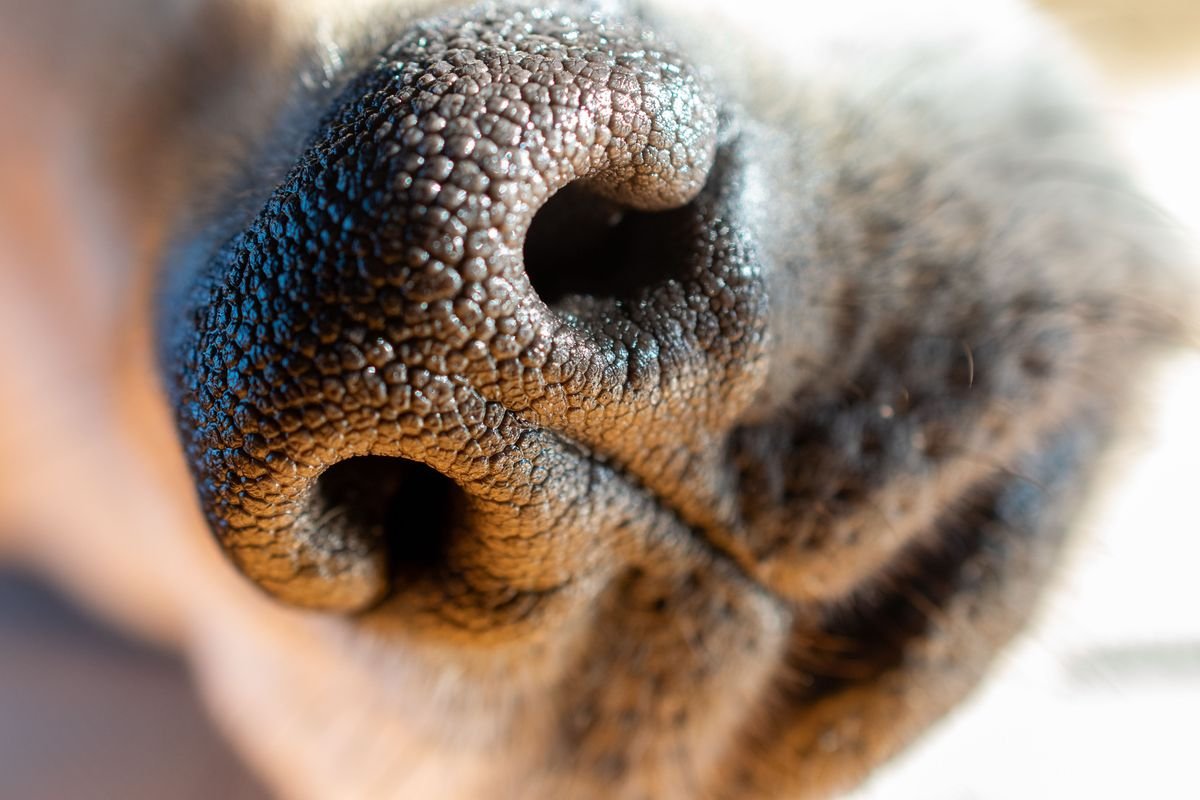
Yes, dogs can get boogers. Just like humans, dogs produce nasal mucus to keep their respiratory tract moist and trap particles. This mucus is normal and often harmless. However, changes in color, consistency, or amount can signal an underlying issue. Understanding what is normal and what is not helps you keep your dog healthy.
What Are Boogers Exactly?
Boogers are simply dried or semi-dried nasal mucus. Mucus is a natural secretion produced by the mucous membranes lining the nose. It traps dust, pollen, bacteria, and other particles, preventing them from entering the lungs. In dogs, healthy mucus is usually clear or slightly white and relatively thin. When it dries or becomes thicker, it forms what we call boogers.
Nasal discharge in dogs can vary from barely noticeable to copious. The amount and appearance depend on factors like humidity, activity level, and overall health. If your dog occasionally has a small crusty booger after sleeping or a brisk walk, it is usually nothing to worry about.
Normal Nasal Discharge in Dogs
Not all nasal discharge is cause for alarm. Understanding what counts as normal helps you avoid unnecessary worry.
Clear and Watery
A clear, watery discharge is often normal. It may be more noticeable after exercise, in cold weather, or when your dog is panting heavily. This type of discharge is typically temporary and not accompanied by other symptoms. If it persists or becomes excessive, however, consider possible allergies or irritation.
Slight White or Foamy
A small amount of white or foamy mucus can appear after your dog wakes up or if they have been breathing dry air. This is usually dried mucus that has accumulated. It can also appear after your dog sneezes a few times. As long as it is minimal and your dog shows no other signs of illness, it is likely harmless.
Abnormal Nasal Discharge: What to Watch For
Certain types of discharge indicate that something is wrong. Pay attention to color, consistency, and frequency.
Yellow or Green Mucus
Yellow or green nasal discharge often signals an infection. The color comes from immune cells rushing to fight the invader. This can indicate bacterial or viral infections like kennel cough or sinusitis. If the discharge is thick and persistent, consult your veterinarian.
Thick and Sticky
Thick, sticky mucus that clings to your dog’s nostrils can be uncomfortable. It may partially block breathing and cause your dog to paw at their face or sneeze repeatedly. This type of discharge is common with fungal infections or chronic allergies.
Bloody Discharge
Blood in the nasal discharge (epistaxis) can range from pink-tinged to bright red. Causes include trauma, foreign objects, dental abscesses, clotting disorders, or even nasal tumors. Bloody discharge always warrants a veterinary evaluation, especially if it is unilateral (only one nostril) or recurrent.
Common Causes of Boogers in Dogs
Several conditions can lead to boogers or abnormal nasal discharge. Recognizing the underlying cause helps guide treatment.
Allergies
Dogs can suffer from environmental allergies to pollen, dust mites, mold, or even certain foods. Allergic reactions often cause clear, watery discharge that may later thicken. Itching, sneezing, and watery eyes are common accompanying signs. Managing allergies with avoidance or medications can reduce nasal symptoms.
Infections (Bacterial, Viral, Fungal)
Bacterial and viral infections are frequent causes of nasal discharge. Kennel cough, distemper, and canine influenza can trigger mucus production. Fungal infections like aspergillosis often cause thick yellow-green discharge and may lead to nosebleeds. Most infections require veterinary treatment with antibiotics, antivirals, or antifungals.
Foreign Objects
Dogs are curious and may inhale grass seeds, dirt, or small objects. A foreign body in the nasal passage causes sudden sneezing, pawing at the nose, and often a foul-smelling discharge from one nostril. Immediate veterinary care is needed to safely remove the object.
Dental Problems
Tooth root abscesses in the upper jaw can drain into the nasal cavity. This leads to unilateral discharge that is often thick, pus-like, or bloody. Bad breath and difficulty eating are telltale signs. Treating the dental issue resolves the nasal symptoms.
Tumors or Polyps
Nasal tumors, polyps, or other growths can obstruct nasal passages and cause chronic discharge. The discharge may be blood-tinged, and affected dogs often have noisy breathing, snoring, or facial swelling. These conditions are more common in older dogs and require diagnostic imaging and biopsy.
When to See the Vet
While occasional boogers are normal, you should contact your veterinarian if you notice any of the following: discharge lasting more than a few days; thick, colored, or bloody mucus; nasal discharge accompanied by coughing, lethargy, loss of appetite, or fever; difficulty breathing; sneezing fits; or discharge only from one nostril. Early intervention often leads to better outcomes.
How to Clean Your Dog’s Nose Safely
If your dog has dried boogers around the nostrils, you can gently clean them. Use a soft damp cloth or a cotton ball with warm water. Wipe away the debris, taking care not to push it into the nostril. For stubborn crusts, you can soften them with a warm compress. Never use hydrogen peroxide or alcohol as these can irritate. If your dog resists, stop and consult your vet. Regular cleaning keeps the area comfortable and helps you monitor discharge changes.