
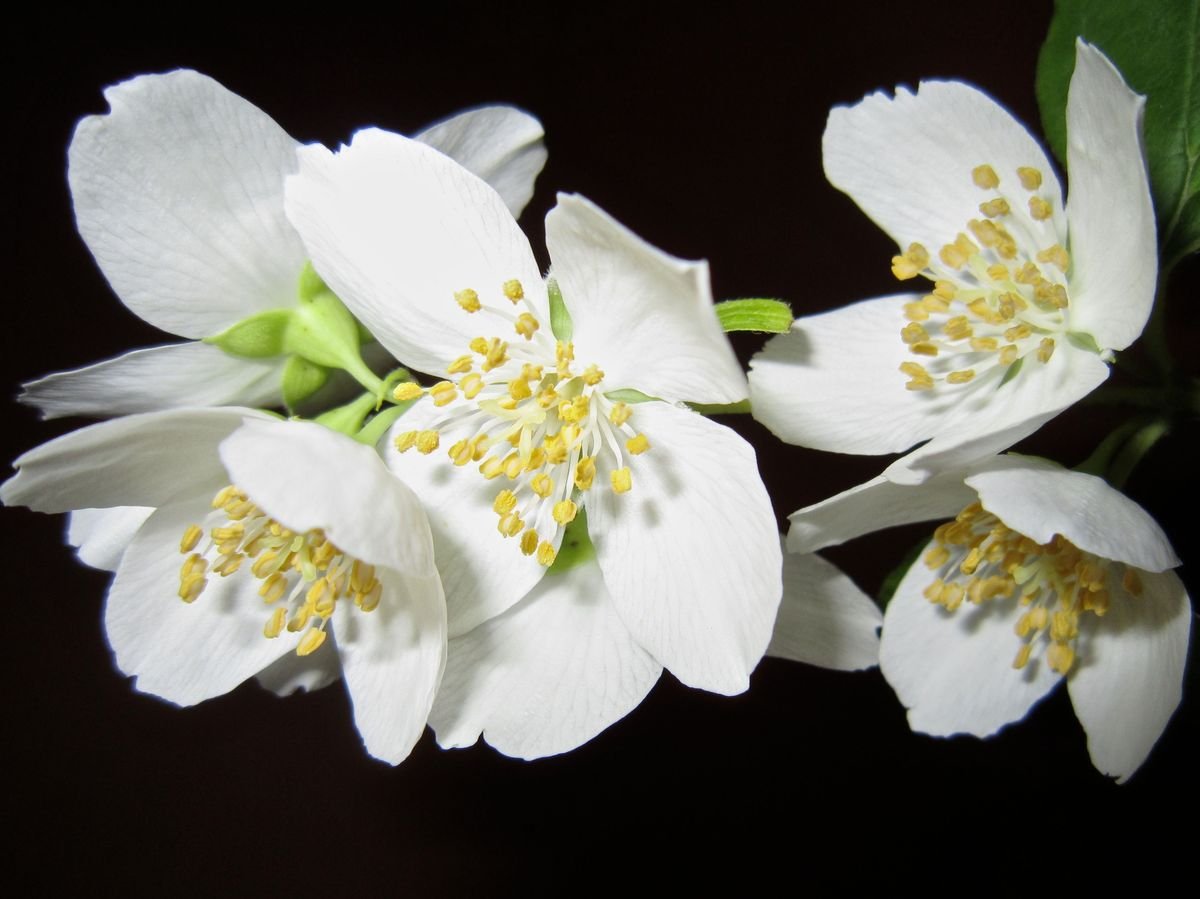
Jasmine is a beloved garden plant known for its fragrant flowers and lush vines. If you have a dog, you may wonder whether jasmine is safe to have in your yard or home. The answer is not a simple yes or no because the term “jasmine” is used for several different plants. True jasmine (plants in the Jasminum genus) is generally considered non-toxic to dogs. However, many plants commonly called jasmine, such as star jasmine, night-blooming jasmine, and Carolina jasmine, are actually from different plant families and can be toxic to dogs.
This article will help you distinguish between safe and dangerous jasmine plants, explain the symptoms of poisoning, and guide you on what to do if your dog ingests a toxic variety.
True Jasmine (Jasminum) – Generally Non-Toxic
True jasmine plants belong to the genus Jasminum. Common species include Jasminum officinale (common jasmine), Jasminum sambac (Arabian jasmine), and Jasminum polyanthum (pink jasmine). According to the ASPCA, these plants are non-toxic to dogs, cats, and horses. This means that if your dog nibbles on a leaf or petal from a true jasmine, it is unlikely to cause poisoning.
However, non-toxic does not mean completely harmless. Digesting large amounts of any plant material can cause mild gastrointestinal upset in dogs, such as vomiting or diarrhea. The plant itself is not poisonous, but the physical irritation from the plant matter can still cause discomfort.
Common Non-Toxic Jasmine Species
If you want to grow jasmine without worry, look for Jasminum species. These are the true jasmines. They produce the classic sweet fragrance used in perfumes and teas. Some popular non-toxic varieties include Jasminum officinale, Jasminum sambac, Jasminum grandiflorum, and Jasminum polyanthum. Always check the botanical name on the plant tag to ensure it is a true jasmine.
What If Your Dog Eats True Jasmine?
Even though true jasmine is non-toxic, eating it can still cause mild digestive issues. If your dog eats a small amount, you may notice no symptoms at all. If they eat a large quantity, they might vomit or have loose stools. These symptoms usually resolve on their own within 24 hours. Offer your dog fresh water and monitor them. If symptoms persist or worsen, contact your veterinarian. It is always a good idea to discourage your dog from eating any non-food plants, even safe ones.
Toxic Look-Alikes: Plants Called Jasmine That Are Dangerous
Several plants that are commonly called jasmine are not true jasmines and can be toxic to dogs. It is important to know the differences to keep your dog safe. The most common toxic imposters are star jasmine, night-blooming jasmine, and Carolina jasmine.
Star Jasmine (Trachelospermum jasminoides) – Mildly Toxic
Star jasmine, also known as confederate jasmine, is a popular evergreen vine with white star-shaped flowers. Despite its name, it is not a true jasmine. Star jasmine contains milky sap that can cause mild gastrointestinal irritation in dogs. Symptoms may include drooling, vomiting, and diarrhea. The toxicity is generally low, but it is best to prevent your dog from eating this plant.
Night-Blooming Jasmine (Cestrum nocturnum) – Highly Toxic
Night-blooming jasmine, also called night-blooming cestrum or queen of the night, is a shrub that releases a strong fragrance at night. This plant is highly toxic to dogs. It contains alkaloids and other compounds that can cause serious symptoms such as vomiting, diarrhea, rapid heart rate, respiratory distress, and even death in severe cases. All parts of the plant are poisonous. If you suspect your dog has eaten any part of night-blooming jasmine, seek emergency veterinary care immediately.
Carolina Jasmine (Gelsemium sempervirens) – Extremely Toxic
Carolina jasmine (also called yellow jessamine or gelsemium) is a climbing vine with bright yellow trumpet-shaped flowers. Despite its common name, it is not related to true jasmine at all. Carolina jasmine is extremely toxic to dogs. It contains strychnine-like alkaloids that affect the nervous system. Ingestion can cause muscle tremors, seizures, difficulty breathing, and collapse. Even small amounts can be fatal. This plant is a serious hazard and should be avoided in any yard where dogs play.
Other Plants with “Jasmine” in the Name
Other plants that include “jasmine” in their common name but are not true jasmine include Cape jasmine (Gardenia jasminoides), which is mildly toxic, and Jasmine rice (not a plant but a type of rice, safe). Always verify the scientific name before planting. When in doubt, keep your dog away from any plant labeled simply as “jasmine” without a specific species name.
Symptoms of Jasmine Poisoning in Dogs
Symptoms of poisoning depend on which type of jasmine your dog ingested and how much. For mild toxins like star jasmine, symptoms are usually limited to gastrointestinal upset: drooling, loss of appetite, vomiting, and diarrhea.
For more toxic varieties like night-blooming jasmine or Carolina jasmine, symptoms can be severe and develop rapidly. Watch for these signs: excessive drooling, vomiting (sometimes with blood), diarrhea, abdominal pain, lethargy, weakness, tremors, seizures, difficulty breathing, irregular heart rate, and collapse. Neurological symptoms like disorientation or dilated pupils may also occur.
Symptoms can appear within 30 minutes to a few hours after ingestion. If you see any of these signs and suspect jasmine poisoning, contact your veterinarian or an animal poison control center immediately.
What to Do If Your Dog Eats a Toxic Jasmine Plant
If you catch your dog eating a jasmine plant that you suspect may be toxic, act quickly. First, remove any remaining plant material from your dog’s mouth. Do not induce vomiting unless instructed by a veterinarian, as some toxins can cause more damage when vomited. Collect a sample of the plant if possible for identification.
Call your veterinarian or a pet poison helpline such as the ASPCA Animal Poison Control Center (1-888-426-4435) or the Pet Poison Helpline (1-855-764-7661). Be ready to tell them what your dog ate, how much, and when. Describe any symptoms you have observed.
Follow their advice. In many cases, they may recommend bringing your dog in for examination. Treatment may include inducing vomiting (if safe), administering activated charcoal to absorb toxins, providing intravenous fluids, and supportive care. Severe cases may require hospitalization and monitoring for seizures or respiratory issues.
Do not wait for symptoms to appear. Early intervention is key to a good outcome.
How to Prevent Jasmine Poisoning
Prevention is the best approach. Identify all plants in your garden and know their true botanical names. If you have any of the toxic jasmine imposters, consider removing them or fencing them off so your dog cannot access them. Replace them with true jasmine or other dog-safe plants.
Train your dog to avoid eating plants. Teach the “leave it” command and supervise them during outdoor time. Keep an eye out for fallen flowers or leaves that your dog might pick up. If you bring jasmine into your home as a cut flower, make sure it is a non-toxic variety and keep it out of reach.
When buying plants, always check the ASPCA’s list of toxic and non-toxic plants. Share this information with your dog walker or pet sitter so they are aware of hazards in your yard.
Conclusion
Jasmine flowers can be poisonous to dogs or completely safe, depending on the actual plant species. True jasmine (Jasminum) is non-toxic, while many plants sold as jasmine, such as star jasmine, night-blooming jasmine, and Carolina jasmine, can cause mild to severe poisoning. Knowing the difference is essential for every dog owner.
If you are unsure about a plant’s identity, err on the side of caution. Keep your dog away from unknown jasmine plants. In case of suspected poisoning, contact your veterinarian immediately. By being informed and proactive, you can enjoy the beauty of jasmine in your garden while keeping your furry friend safe.