
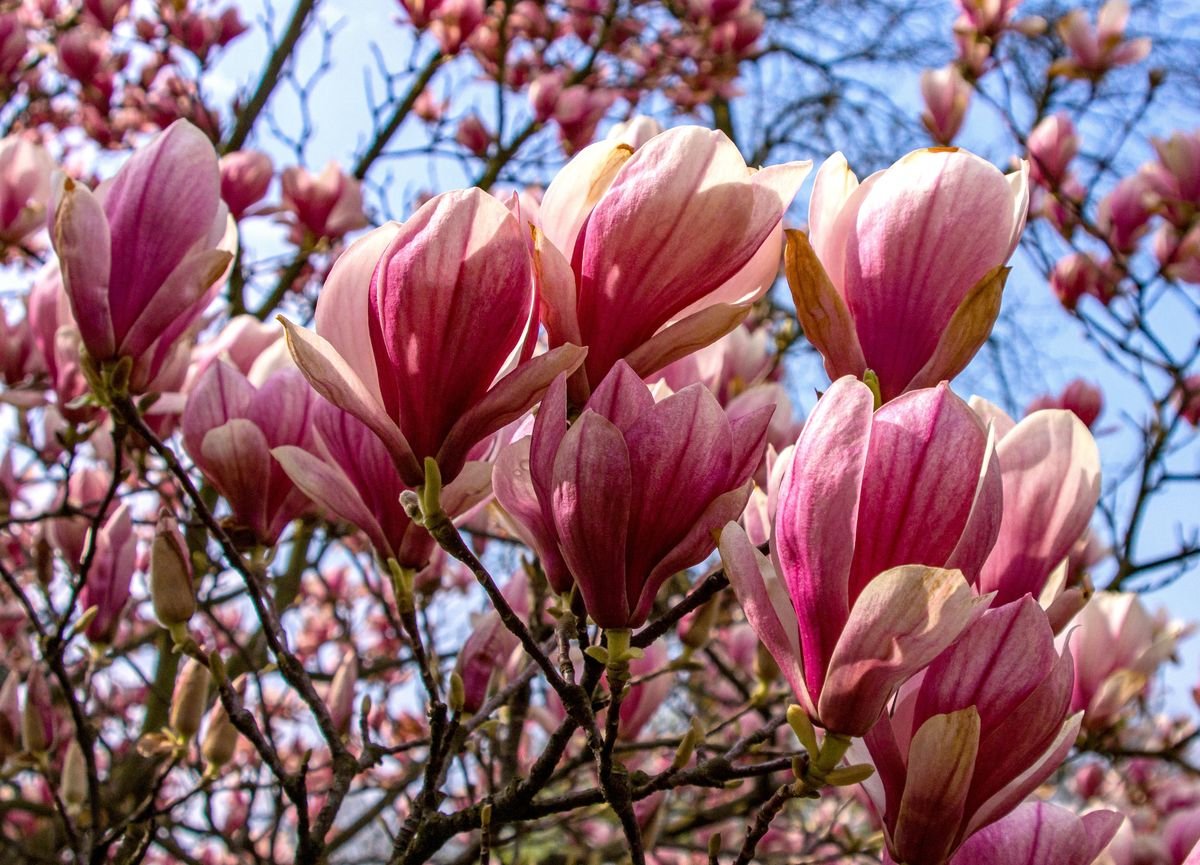
If you have a dog and a magnolia tree in your yard, you might wonder whether the two can coexist safely. The good news is that magnolia trees are not considered toxic to dogs by major veterinary sources, including the ASPCA. However, that doesn’t mean there is zero risk. Any plant material, when ingested in large amounts, can cause digestive upset or physical obstructions. Understanding the specifics can help you keep your furry friend safe while enjoying the beauty of your magnolia.
Are Magnolia Trees Toxic to Dogs? The Short Answer
According to the ASPCA’s list of toxic and non-toxic plants, magnolia trees are classified as non-toxic to dogs, cats, and horses. This means that the tree does not contain any known poisonous compounds that would cause serious systemic illness. However, “non-toxic” is not the same as “completely harmless.” If your dog eats a large quantity of magnolia leaves, bark, or flowers, he may experience mild gastrointestinal symptoms. The risk of poisoning is extremely low, but other hazards like intestinal blockages or choking are possible, especially for small dogs.
What Parts of the Magnolia Tree Are a Concern?
While the entire magnolia tree is considered non-toxic, some parts pose more risk than others. It’s important to understand each component so you can monitor your dog’s interaction with the tree effectively.
Leaves and Bark
Magnolia leaves are tough and fibrous. If your dog chews on them, they are unlikely to cause poisoning. However, eating a large number of leaves can lead to vomiting, diarrhea, or a blockage in the digestive tract. The bark is similar; it is not toxic but can cause gastrointestinal irritation if consumed in large amounts. For dogs that like to chew on wood, the bark might be tempting, but it is best to discourage this behavior.
Flowers and Seeds
Magnolia flowers are soft and generally safe if a dog takes a few nibbles. They are not toxic, but they could cause mild stomach upset. Magnolia seeds are encased in cone-like structures. While the seeds themselves are not poisonous, they are small and hard. A dog that eats a large number of seeds may experience digestive issues or, in rare cases, an obstruction. The cones can also be a choking hazard for small breeds.
Symptoms to Watch For If Your Dog Eats Magnolia
If your dog ingests any part of a magnolia tree, the most common symptoms are mild and self-limiting. They may include drooling, a brief loss of appetite, vomiting, or loose stools. These signs usually appear within a few hours and resolve on their own within 24 hours. However, if your dog shows signs of severe discomfort, such as repeated vomiting, lethargy, failure to pass stool, or a distended abdomen, contact your veterinarian immediately. These could indicate a blockage or more serious issue.
Are There Any Risks from Magnolia Mulch?
Many gardeners use magnolia tree parts as mulch, especially the leaves and bark. While magnolia mulch is not toxic, it can still cause problems if your dog eats it. The same fibrous quality that makes it good for soil can cause digestive upset or blockages. Additionally, mulches may contain pesticides or other chemicals that could be harmful. If you use magnolia mulch, keep your dog from ingesting it and consider alternative mulches that are less likely to be eaten, such as pine or cedar.
What to Do If Your Dog Eats Part of a Magnolia Tree
First, don’t panic. Identify what part and approximately how much was eaten. If it was just a leaf or two, monitor your dog for any signs of discomfort. Offer fresh water and a bland meal if his stomach seems unsettled. If he ate a large amount or shows worrying symptoms, call your veterinarian or a pet poison helpline. Have the plant’s name ready. In most cases, treatment is supportive, such as fluids for vomiting or a bland diet. Surgery is rarely needed unless a blockage occurs.
Dog-Friendly Alternatives to Magnolia Trees
If you want to eliminate all potential risks, consider planting trees that are fully safe for dogs. Some non-toxic options include dogwood, crepe myrtle, and certain fruit trees like apple or pear. Shrubs like blueberry and raspberry are also safe and provide edible treats. Always check the ASPCA database before planting anything new. Remember that even safe plants can cause minor upset if overeaten, so supervision and training are your best tools for a pet-friendly landscape.