
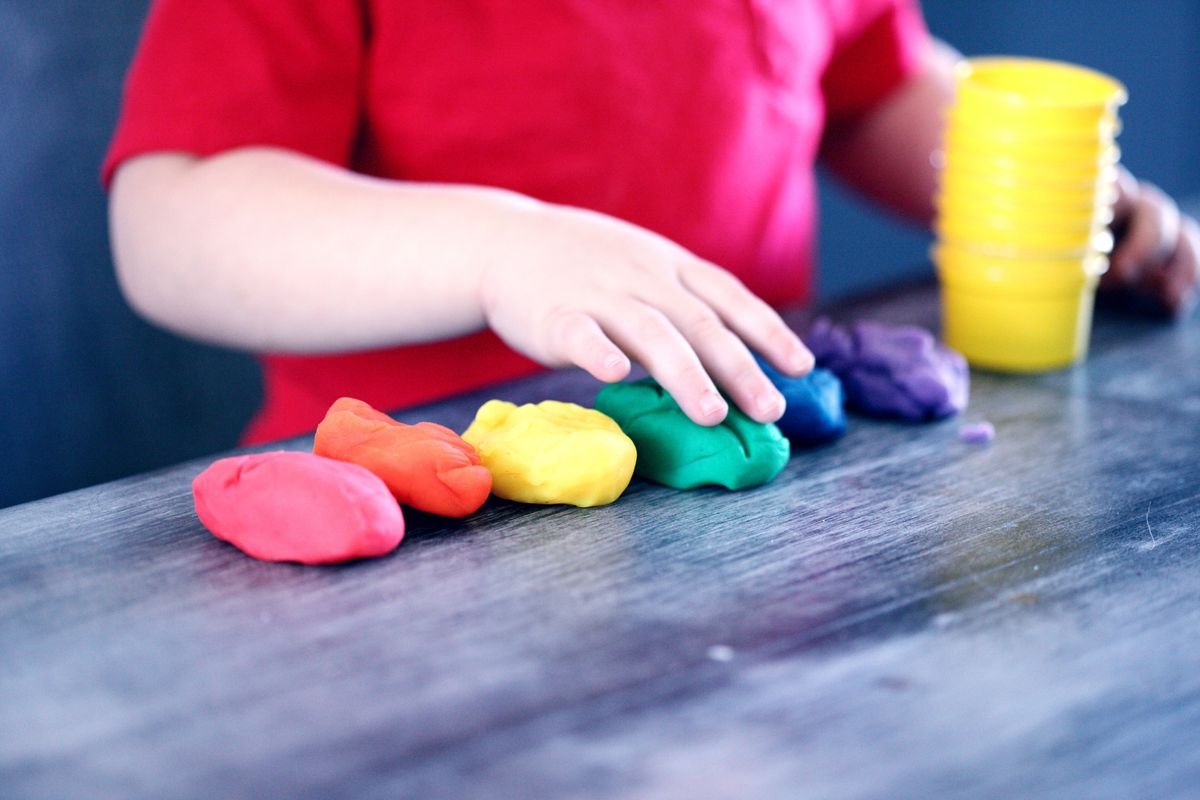
Many pet owners enjoy creative activities with their families, and playdough is a classic kids’ craft staple. But if you have a dog at home, you might wonder: is playdough harmful to dogs? The short answer is yes, playdough can pose serious health risks to dogs. While a tiny nibble may not cause immediate harm, larger amounts or certain homemade recipes can be dangerous due to high salt content, wheat, and artificial ingredients.
Understanding the potential dangers, symptoms of ingestion, and steps to take in an emergency can help you protect your furry friend. This article covers everything you need to know about playdough and dogs, including safe alternatives for creative play.
Common Ingredients in Playdough and Their Risks
Commercial playdough typically contains flour, water, salt, cream of tartar, vegetable oil, and artificial colors or preservatives. Homemade playdough often uses similar ingredients but sometimes with much higher salt concentrations to achieve the right texture.
The primary concern for dogs is salt (sodium chloride). Playdough can contain salt levels upwards of 25% or more, especially in homemade no-cook recipes. Ingesting even a moderate amount can lead to salt poisoning in dogs. Additionally, wheat flour is a common ingredient that may cause digestive upset or allergic reactions in some dogs. Artificial dyes and preservatives, while not highly toxic in small amounts, can still upset a dog’s stomach.
Why Playdough Can Be Harmful to Dogs
There are three main risks associated with dogs eating playdough: salt toxicity, intestinal blockage, and potential allergic reactions. Each can vary in severity depending on the amount ingested and the size of your dog.
Salt Toxicity (Hypernatremia)
Salt is the most dangerous ingredient in playdough for dogs. When a dog consumes too much salt, it can cause hypernatremia, a condition where sodium levels in the blood become dangerously high. This draws water out of cells and can lead to dehydration, neurological symptoms, and even death if untreated.
The toxic dose of salt in dogs is roughly 2 to 4 grams per kilogram of body weight. A single cup of playdough can contain 200 grams of salt or more, making it highly dangerous for small to medium dogs. Symptoms of salt toxicity include vomiting, diarrhea, excessive thirst, lethargy, tremors, seizures, and coma.
Intestinal Blockage
Playdough is a soft, pliable substance that can clump together in a dog’s stomach or intestines, especially if eaten in large amounts. This can cause a gastrointestinal obstruction, which is a medical emergency. Signs of blockage include repeated vomiting, loss of appetite, abdominal pain, constipation, or straining to defecate. Small dogs are at higher risk because their digestive tracts are narrower.
Allergic Reactions and Digestive Upset
Even if the salt content doesn’t cause toxicity, the wheat and additives in playdough can trigger allergic reactions in sensitive dogs. Symptoms may include itchy skin, ear infections, or gastrointestinal issues like gas and diarrhea. While not life-threatening, these reactions can cause discomfort and require veterinary attention.
Symptoms to Watch for After Your Dog Eats Playdough
If your dog has ingested playdough, monitor for the following symptoms:
– Vomiting and diarrhea
– Excessive thirst and urination
– Lethargy or weakness
– Tremors, twitching, or seizures
– Loss of coordination or stumbling
– Abdominal bloating or pain
– Loss of appetite or refusal to eat
– Constipation or straining to defecate
Symptoms of salt toxicity can appear within 30 minutes to a few hours after ingestion. Intestinal blockage symptoms may take longer to develop, sometimes 12 to 24 hours. If you notice any of these signs, contact your veterinarian immediately.
What to Do If Your Dog Eats Playdough
First, stay calm. Assess how much playdough your dog ate and what type it is (commercial vs. homemade). Check the ingredient list for salt content if available. Then, contact your veterinarian or a pet poison helpline for advice. Do not induce vomiting unless instructed by a professional, as this can worsen salt toxicity.
If the amount is small and your dog is large, your vet may recommend monitoring at home. But for moderate to large ingestions, especially of high-salt playdough, immediate veterinary treatment is crucial. Treatment may include intravenous fluids to dilute sodium levels, medications to control seizures, or surgery to remove an intestinal blockage.
Safe Alternatives to Playdough for Dog Households
The best way to prevent playdough ingestion is to keep it out of reach. Store playdough in sealed containers and supervise children during use. Alternatively, you can make dog-safe playdough using pet-friendly ingredients like whole wheat flour, unsweetened applesauce, and a small amount of peanut butter (xylitol-free). You can also use commercial edible clay products designed for pets.
Other non-toxic sensory play options for kids include rice bins, water play, or building with blocks. If you suspect your dog has a tendency to eat non-food items, consider consulting a veterinary behaviorist to address pica.