
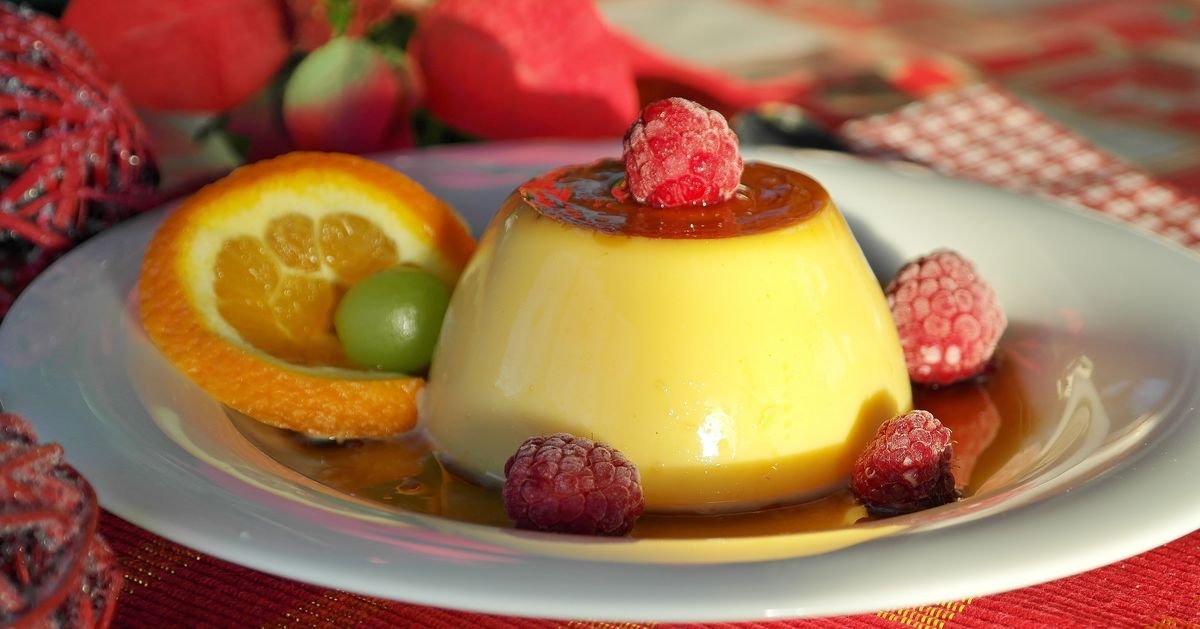
Vanilla pudding is a creamy, sweet dessert that many people love. But if your dog gives you those puppy eyes while you are enjoying a cup, you might wonder if sharing a bite is safe. The short answer is that vanilla pudding is not a healthy choice for dogs, and in some cases, it can be dangerous. This article explains the risks, ingredients to watch for, and healthier alternatives you can offer your furry friend.
The Short Answer
In general, dogs should not eat vanilla pudding. The main concerns are high sugar content, potential artificial sweeteners like xylitol, and dairy ingredients that can upset your dog’s stomach. A tiny lick of plain vanilla pudding without xylitol is unlikely to cause serious harm, but it is not a recommended treat. Regular consumption can lead to obesity, dental issues, and digestive problems.
Risks of Feeding Vanilla Pudding to Dogs
Several components in vanilla pudding pose risks to dogs. Understanding these ingredients helps you make informed decisions about your dog’s diet.
Sugar Content
Vanilla pudding is loaded with sugar. Dogs do not need added sugars in their diet. Excess sugar can contribute to weight gain, dental decay, and even diabetes over time. A single serving of pudding may contain 15 to 20 grams of sugar, which is far more than a dog should ever consume. Even a small amount can spike your dog’s blood sugar and cause an upset stomach.
Xylitol (Artificial Sweetener)
Some vanilla pudding brands use xylitol as a sugar substitute, especially sugar-free varieties. Xylitol is extremely toxic to dogs. It causes a rapid release of insulin, leading to dangerously low blood sugar (hypoglycemia) within 30 to 60 minutes. Symptoms include vomiting, weakness, seizures, and in severe cases, liver failure. Always check the ingredient list for xylitol before considering any pudding.
Lactose and Dairy
Most dogs are lactose intolerant to some degree. They lack sufficient lactase, the enzyme needed to digest lactose in dairy products. Vanilla pudding is typically made with milk or cream, which can cause gas, bloating, diarrhea, and stomach pain. Even if your dog handles dairy well, the high fat content in some puddings can lead to pancreatitis, especially in sensitive breeds.
Vanilla Flavoring (Alcohol)
Pure vanilla extract contains alcohol, which is toxic to dogs. However, most vanilla pudding uses synthetic vanillin or small amounts of natural flavoring that are generally safe in minuscule quantities. Still, avoid any pudding made with real vanilla extract, as even a small amount of alcohol can be harmful to a dog’s liver and nervous system.
What to Do If Your Dog Eats Vanilla Pudding
If your dog sneaks a bite of vanilla pudding, stay calm. Check the ingredient list for xylitol first. If xylitol is present, contact your veterinarian or an emergency animal poison control immediately. If the pudding is xylitol-free, monitor your dog for signs of digestive upset such as vomiting or diarrhea. A small amount will likely pass without issues, but offer plenty of fresh water and avoid giving any more. If symptoms persist or worsen, consult your vet.
Dog-Friendly Alternatives to Vanilla Pudding
Instead of sharing vanilla pudding, consider healthier treats that dogs love. Plain unsweetened yogurt (without xylitol) is a good source of probiotics. You can also make a simple dog-safe pudding by blending a ripe banana with a little plain yogurt or pumpkin puree. Another option is frozen treats made from blended fruit and yogurt. Always introduce new foods gradually and in moderation. Remember, the best treats are those made specifically for canine nutrition.
Final Thoughts
Vanilla pudding is not a suitable treat for dogs. The combination of sugar, potential xylitol, dairy, and other additives makes it a risky choice. If you want to share a special snack with your dog, opt for safe alternatives like plain yogurt or fruit purees. Always prioritize your dog’s health by avoiding human desserts. When in doubt, ask your veterinarian for advice on safe treats.