
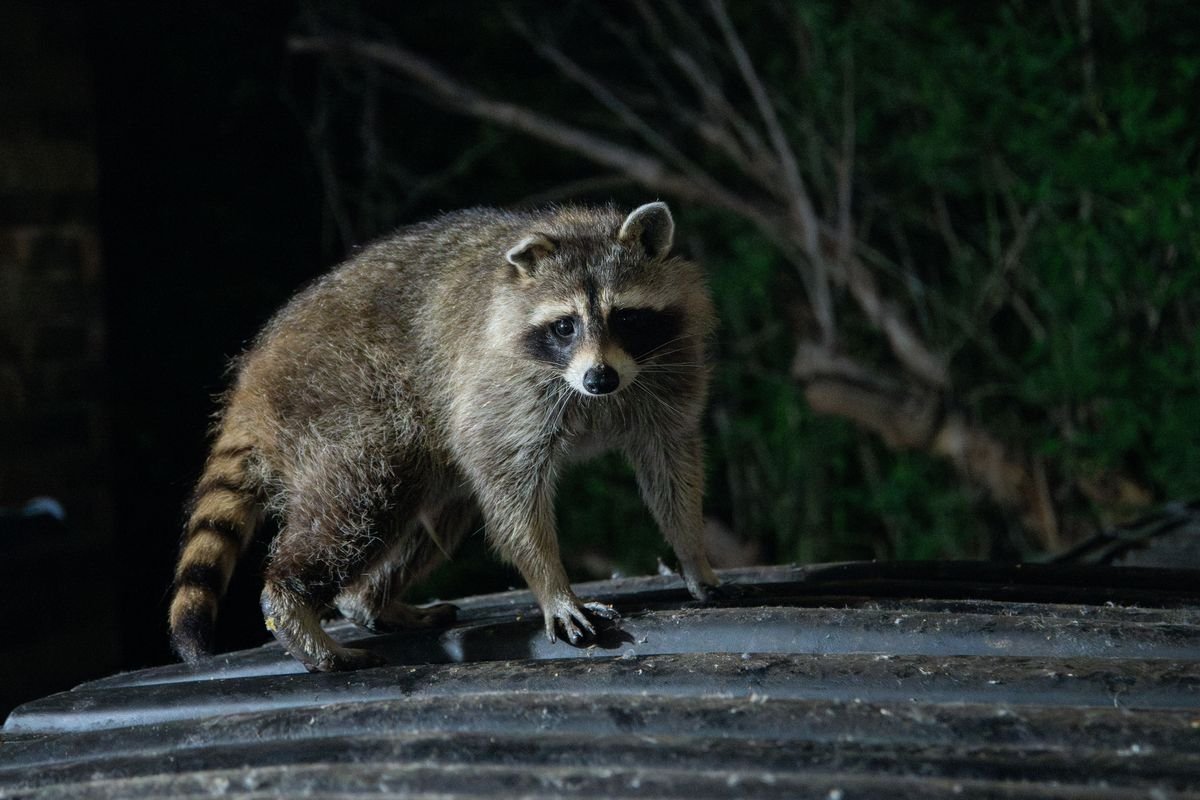
The question ‘can raccoons kill dogs’ is one that many pet owners ask, especially those living near wooded areas or suburbs where raccoons are common. The short answer is yes, raccoons can kill dogs, but it is not a common occurrence. Raccoons are generally not aggressive toward larger animals unless they feel threatened or are protecting their young. However, they pose two distinct threats to dogs: direct physical attacks and transmission of deadly diseases. Understanding these risks can help you take the right steps to protect your furry friend.
Raccoons are opportunistic omnivores and typically avoid confrontation. But when a raccoon is cornered, sick, or defending its den, it can become extremely aggressive. A raccoon’s sharp claws and teeth can inflict serious injuries, especially on smaller dogs. Additionally, raccoons carry several diseases that can be fatal to dogs, even without a physical fight. This article explores both the direct and indirect dangers so you can make informed decisions about your dog’s safety.
Understanding the Threat: Physical Attacks
While raccoons are not predators that hunt dogs, they are capable of killing a dog if a fight occurs. The outcome largely depends on the size and health of both animals, as well as the circumstances of the encounter.
Size and Strength Comparison
An adult raccoon typically weighs between 8 and 20 pounds, roughly the size of a small to medium dog. However, raccoons are incredibly strong for their size, with powerful jaws and sharp claws designed for climbing and digging. A raccoon can easily injure or kill a dog that is smaller than itself, such as a Chihuahua, Yorkshire Terrier, or puppy. For larger dogs, a raccoon is less likely to win a physical fight, but it can still inflict painful bites and scratches that may become infected.
When Raccoons Attack
Raccoons are not naturally aggressive, but they will attack if they feel trapped or threatened. Common scenarios include a dog cornering a raccoon in a shed, garage, or under a deck. Mother raccoons are very protective of their babies and will aggressively defend their den. A dog that wanders too close to a raccoon nest may trigger an attack. Raccoons active during the day may be sick (often with rabies or distemper) and may show unusual aggression. In such cases, the raccoon may attack without provocation.
Diseases Raccoons Can Transmit to Dogs
Perhaps the greater danger from raccoons is not a physical attack but the diseases they carry. Some of these diseases can be fatal to dogs, even if the dog does not engage in a fight. Transmission can occur through bites, scratches, or contact with raccoon feces or urine.
Rabies
Raccoons are a primary carrier of rabies in the United States. Rabies is a nearly always fatal viral disease that affects the nervous system. If an infected raccoon bites a dog, the virus is transmitted through saliva. Symptoms include aggression, drooling, paralysis, and seizures. Vaccination is the most effective prevention. In many areas, rabies vaccination is legally required for dogs.
Canine Distemper
Canine distemper is another serious viral disease that raccoons can carry and transmit to dogs. It affects the respiratory, gastrointestinal, and nervous systems. Symptoms include fever, coughing, vomiting, diarrhea, and neurological signs like twitching and seizures. Distemper is often fatal, especially in puppies. Again, vaccination is key to prevention.
Leptospirosis
Leptospirosis is a bacterial disease that can be spread through raccoon urine. Dogs can catch it by drinking contaminated water or sniffing infected soil. Symptoms include fever, muscle pain, vomiting, and kidney or liver failure. It can be treated with antibiotics, but severe cases can be fatal. A vaccine is available and recommended for dogs at risk.
Other Parasites and Infections
Raccoons can also carry roundworms (Baylisascaris procyonis), which are transmitted through feces. If a dog ingests the eggs, the parasite can cause severe neurological damage and even death. Raccoons may also carry fleas, ticks, and mites that can cause skin issues and transmit other diseases like Lyme disease or ehrlichiosis.
Which Dogs Are Most at Risk?
Small dogs and puppies face the highest risk of fatal physical attacks from raccoons. Their small size makes them vulnerable to being bitten or scratched severely. Dogs that are left outside unsupervised at night, especially in areas with high raccoon populations, are more likely to encounter raccoons. Dogs with a strong prey drive may chase raccoons and provoke an attack. Unvaccinated dogs are at risk of contracting deadly diseases from any encounter, even if they do not fight.
How to Protect Your Dog from Raccoons
Prevention is the best approach to keep your dog safe from raccoons. You can reduce the likelihood of encounters and minimize disease risks through simple measures.
Secure Your Yard
Remove attractants like pet food left outside, unsecured garbage cans, and compost piles that can lure raccoons. Install fencing that extends underground or has an electric wire to deter climbing. Seal off any openings under decks, sheds, or porches where raccoons might den. Motion-activated lights and sprinklers can also help scare them away.
Supervise Outdoor Time
Do not leave your dog unattended in the yard, especially at dawn, dusk, or night when raccoons are most active. Keep your dog on a leash during walks in areas where raccoons are common. If you let your dog out at night, accompany them with a flashlight and check the yard first.
Vaccinations and Preventive Care
Ensure your dog is up to date on all core vaccinations, including rabies and distemper. Ask your veterinarian about the leptospirosis vaccine if your dog is at risk. Regular deworming and flea/tick prevention can reduce the risk of parasites. Keep your dog away from raccoon feces and discourage them from drinking from puddles or outdoor water bowls that may be contaminated.
What to Do If Your Dog Encounters a Raccoon
If you see a raccoon near your dog, do not panic. Call your dog away calmly and avoid direct confrontation. If a fight occurs, try to separate them using a loud noise or a blast of water from a hose. Do not physically intervene with your hands, as you could be bitten. After any encounter, even if your dog seems fine, check for wounds and contact your veterinarian. Report aggressive or sick-acting raccoons to local animal control. If your dog is bitten or scratched, consult your vet about rabies booster and wound care.
Final Thoughts
So, can raccoons kill dogs? Yes, but it is not the most common threat. The more significant danger is often disease transmission, which can be prevented with proper vaccinations and good pet management. Understanding raccoon behavior and taking proactive steps to secure your property can greatly reduce the risk of a dangerous encounter. Always prioritize your dog’s safety by keeping them supervised and up to date on preventive care.