
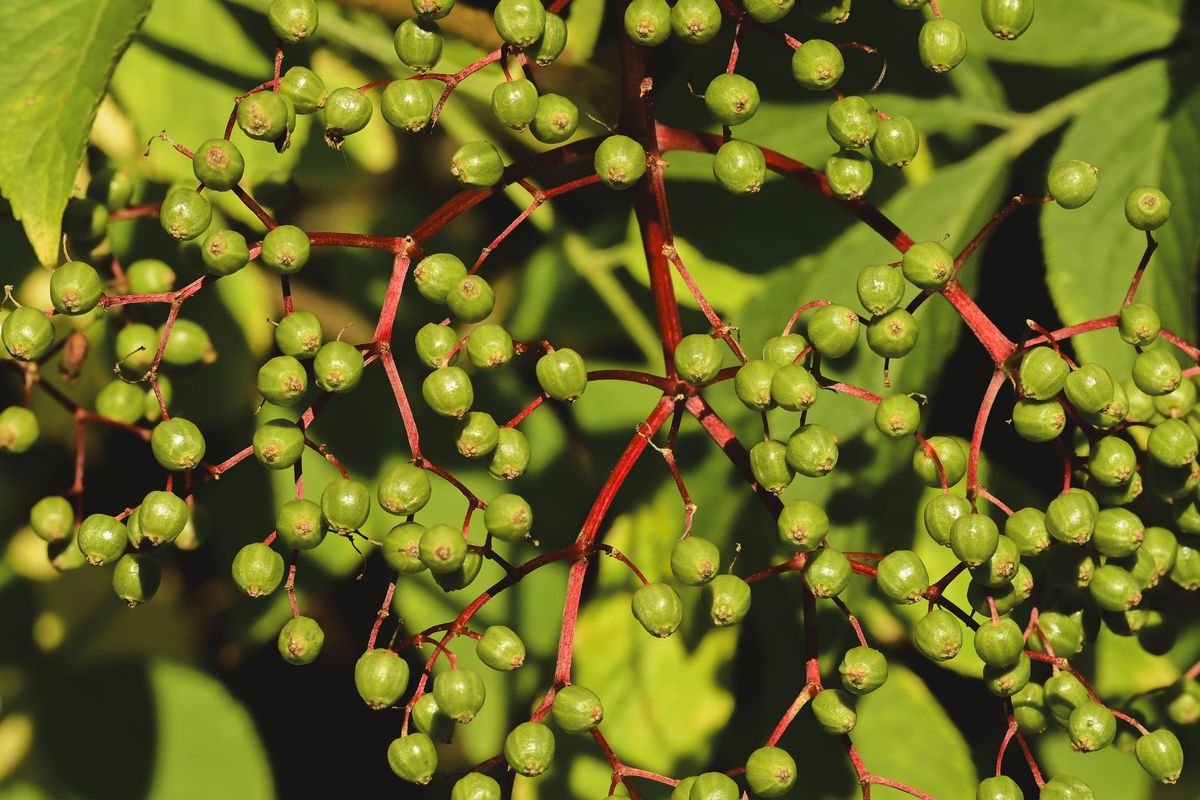
If you share fresh fruit snacks with your dog, you might wonder about elderberries. The quick answer is no: dogs should not eat elderberries. These small, dark berries contain compounds that can be toxic to dogs, leading to serious health issues. Even small amounts can cause problems, and larger ingestions may be life threatening.
This article explains why elderberries are dangerous, what symptoms to watch for, and what to do if your dog eats them. We also suggest safe berry alternatives that you can offer without worry.
The Dangers of Elderberries for Dogs
Elderberries (from the Sambucus plant) contain natural toxins that affect dogs more severely than humans. While cooking can destroy some of these toxins, it does not make the berries safe for your pet. The primary risk comes from cyanogenic glycosides, which can release cyanide when ingested.
Dogs are particularly sensitive to cyanide poisoning because of their size and metabolism. Even a few berries can cause symptoms in a small dog. The stems, leaves, and bark of the elderberry plant are even more toxic than the berries themselves.
Cyanogenic Glycosides and Cyanide Poisoning
Cyanogenic glycosides are compounds that can convert to hydrogen cyanide in the body. When a dog chews or digests elderberry plant material, the glycosides break down and release cyanide. This interferes with cellular respiration, meaning cells cannot use oxygen properly.
Cyanide poisoning can lead to rapid onset of symptoms such as difficulty breathing, bright red gums, dilated pupils, and seizures. In severe cases, it can be fatal within minutes to hours. The amount of elderberries needed to cause harm depends on the dog’s size and the concentration of toxins in the specific plant variety.
Other Toxic Compounds in Elderberries
Besides cyanogenic glycosides, elderberries also contain lectins and other substances that can cause gastrointestinal upset. While these might not be as deadly as the cyanide risk, they still contribute to vomiting, diarrhea, and abdominal pain.
Some people think that because cooked elderberries are used in jams and syrups for humans, they are safe for dogs. However, cooking reduces but does not eliminate all toxins. Commercial elderberry products often contain added sugars and other ingredients that are not good for dogs either.
Symptoms of Elderberry Poisoning in Dogs
Symptoms can appear within minutes to a few hours after ingestion. Watch for these signs: vomiting and diarrhea (sometimes with blood), drooling, weakness or lethargy, difficulty breathing, bright red mucous membranes (gums, tongue), dilated pupils, staggering or incoordination, seizures, and collapse.
If your dog shows any of these symptoms and you suspect elderberry ingestion, seek emergency veterinary care immediately. Time is critical because cyanide poisoning can progress rapidly.
What to Do If Your Dog Eats Elderberries
First, do not panic. Remove any remaining berries or plant material from your dog’s reach. Assess how many berries were eaten and try to identify the plant to confirm it is elderberry. Then contact your veterinarian or a pet poison control hotline right away.
Do not induce vomiting unless specifically instructed by a professional. If vomiting is recommended, it should be done within a short window. Your vet may advise administering activated charcoal to absorb toxins, or they may want to bring your dog in for supportive care such as oxygen therapy and intravenous fluids.
Always save a sample of the plant or berries if possible; this helps the vet confirm the toxin and choose the appropriate treatment.
Safe Berry Alternatives for Dogs
Instead of elderberries, offer your dog these safe and nutritious berries: blueberries, strawberries (remove the leaves and stems), raspberries, blackberries, and cranberries (cooked or raw, but watch added sugars). All of these are rich in antioxidants and fiber, with no cyanide risk.
Introduce any new fruit in small quantities to avoid digestive upset. Wash berries thoroughly and cut larger ones to prevent choking. Treats should make up no more than 10% of your dog’s daily calorie intake.
Final Thoughts on Dogs and Elderberries
Elderberries are not safe for dogs in any form, raw or cooked. The risk of cyanide poisoning and other toxic effects is too high to take chances. Stick to vet-approved fruits and vegetables to keep your dog healthy and happy.
If you have elderberry bushes in your yard, consider fencing them off or removing them to prevent accidental ingestion. Educate other family members and guests so they do not feed these berries to your dog. When in doubt about any food, always ask your veterinarian before sharing.