
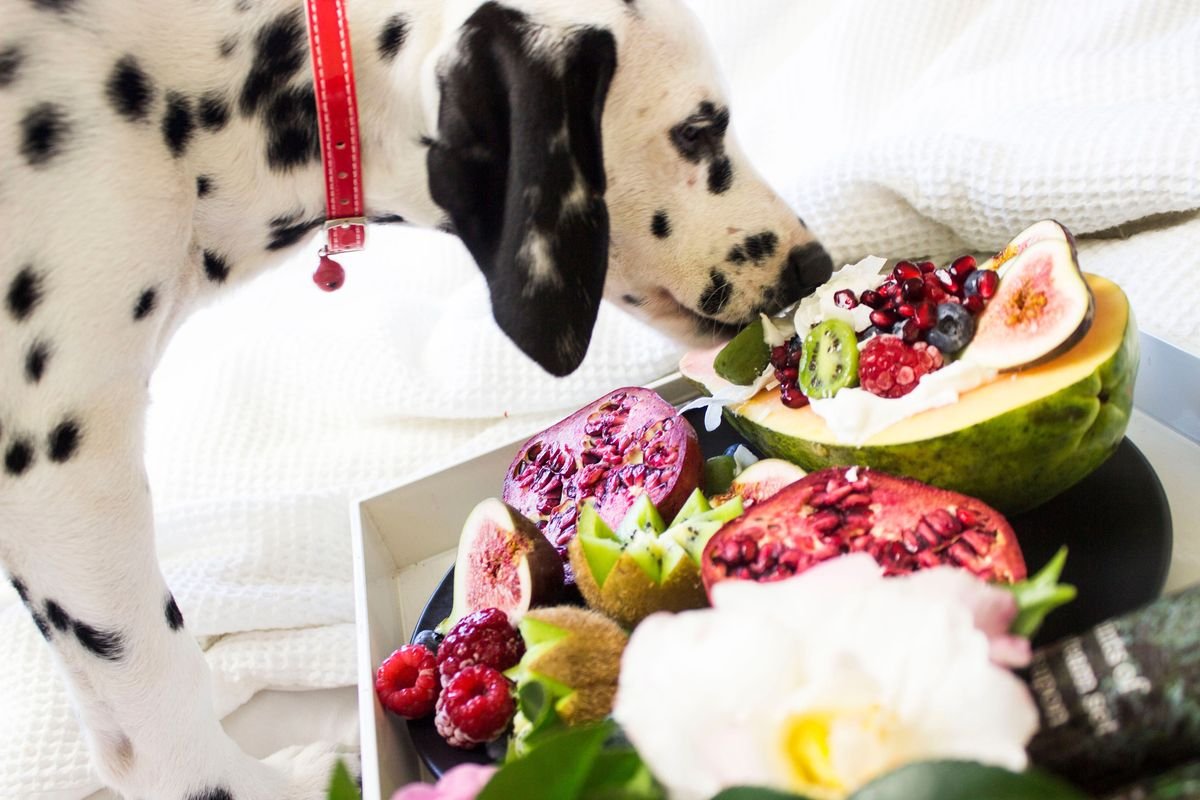
Many dog owners love sharing fresh fruit with their furry friends. Melon is a popular summer treat, but is it safe for dogs? The short answer is yes, most types of melon are safe for dogs in moderation. However, there are important precautions to take to ensure your dog enjoys this fruit without any health risks.
This article explains which melons are dog-friendly, how to prepare them, and what to watch out for. Whether you have a slice of watermelon or a chunk of cantaloupe, you’ll know exactly how to share it safely.
Is Melon Safe for Dogs?
Melon is not toxic to dogs. In fact, many types are packed with vitamins and hydration. However, not all parts of the melon are safe. The flesh is fine, but the rind and seeds can cause problems. Always remove the rind and seeds before feeding melon to your dog.
Moderation is key. Treats like melon should make up no more than 10 percent of your dog’s daily calorie intake. Too much can cause digestive upset because of the natural sugars and fiber.
Types of Melon Safe for Dogs
Watermelon is a favorite among dogs. It is mostly water, making it a great low-calorie treat for hot days. Cantaloupe is also safe and rich in vitamin A and beta-carotene. Honeydew melon offers a good source of vitamin C and potassium. All three are fine as long as you remove the rind and seeds.
Avoid melon that is overripe or spoiled. Mold on melon can contain toxins that are harmful to dogs. Stick to fresh, ripe melon for the best nutritional value.
Health Benefits of Melon for Dogs
Melon provides several nutritional benefits that can support your dog’s health. Here are the key advantages:
Hydration
Melon, especially watermelon, has high water content. This makes it an excellent way to help your dog stay hydrated on warm days. It is a tasty alternative to plain water, but should not replace regular water intake.
Vitamins and Antioxidants
Cantaloupe is rich in vitamin A, which supports eye health and immune function. Honeydew provides vitamin C, an antioxidant that helps reduce inflammation. Watermelon contains lycopene, another antioxidant that may protect cells from damage.
These vitamins can contribute to a healthy coat, skin, and overall wellness when fed as part of a balanced diet.
Low in Calories
Most melons are low in calories. This makes them a guilt-free treat for dogs watching their weight. They can satisfy a sweet tooth without adding many calories, as long as portions are small.
Risks and Precautions When Feeding Melon
While melon is safe, there are some risks to be aware of. Always prepare melon properly to avoid choking hazards and digestive issues.
Rinds and Seeds
Melon rinds are tough and can be a choking hazard. They are also difficult to digest and may cause an intestinal blockage if swallowed in large pieces. Seeds, especially watermelon seeds, can cause similar problems. Remove all seeds and cut the rind away before offering melon to your dog.
If your dog accidentally eats a small amount of seed or rind, watch for signs of distress. Contact your veterinarian if you notice vomiting, diarrhea, or lethargy.
Sugar Content
Melon contains natural sugars. While not toxic, too much sugar can lead to weight gain and dental problems over time. Dogs with diabetes or other metabolic conditions should only have melon under veterinary guidance.
Stick to small portions. A few small cubes are enough for a medium-sized dog. Monitor your dog’s reaction after the first time to ensure they tolerate it well.
Allergies and Digestive Upset
Some dogs may be sensitive to new foods. Introduce melon slowly and in small amounts. If your dog develops loose stool or gas, stop feeding it and consult your vet.
Allergic reactions are rare but possible. Signs include itching, swelling, or difficulty breathing. If you see any of these, seek immediate veterinary care.
How to Safely Prepare Melon for Your Dog
Proper preparation is essential to make melon a safe treat. Follow these steps:
Step-by-Step Guide
1. Wash the melon thoroughly to remove any pesticides or dirt.
2. Cut the melon into slices.
3. Remove all seeds. For watermelon, scoop out the black seeds. For cantaloupe and honeydew, remove the central seed cavity.
4. Cut away the rind completely. Only the soft flesh should remain.
5. Cut the flesh into small, bite-sized pieces appropriate for your dog’s size.
6. Serve fresh. Do not add salt, sugar, or any seasoning.
Refrigerate any leftovers and discard after a few days.
Serving Size Guidelines
Portion size depends on your dog’s size and health. As a general rule:
– Small dogs (under 20 lbs): 1 to 2 small cubes per day.
– Medium dogs (20 to 50 lbs): 2 to 4 cubes per day.
– Large dogs (over 50 lbs): 4 to 6 cubes per day.
These amounts are for occasional treats, not daily feeding. Adjust based on your dog’s overall diet and activity level.
Can Dogs Eat Melon Rind or Seeds?
No. The rind and seeds of melons are not safe for dogs. The rind is tough and can cause choking or intestinal blockage. Seeds may also cause blockages and can contain trace amounts of compounds that are not ideal for dogs.
If your dog eats a small piece of rind, monitor for any symptoms. Most dogs pass it without issues, but large pieces can be problematic. Always err on the side of caution and remove these parts completely.
Frequently Asked Questions About Dogs and Melon
Many owners have additional questions. Here are answers to common concerns:
Can dogs eat watermelon?
Yes, dogs can eat watermelon without seeds and rind. It is a hydrating treat that is low in calories.
Can dogs eat cantaloupe?
Yes, cantaloupe is safe. It is high in vitamin A and beta-carotene. Remove the rind and seeds before feeding.
Can dogs eat honeydew melon?
Yes, honeydew is safe. It provides vitamin C and potassium. Serve only the flesh in small cubes.
Is frozen melon safe for dogs?
Yes, frozen melon chunks make a refreshing summer treat. Ensure they are seedless and rind-free. Serve small pieces to prevent tooth damage.
Conclusion
Melon can be a healthy, hydrating treat for dogs when prepared correctly. Stick to the flesh only, remove all seeds and rind, and serve in moderation. Always introduce any new food gradually and consult your veterinarian if you have concerns about your dog’s diet.
With a little care, you can share this sweet fruit safely and watch your dog enjoy a cool, delicious snack.