
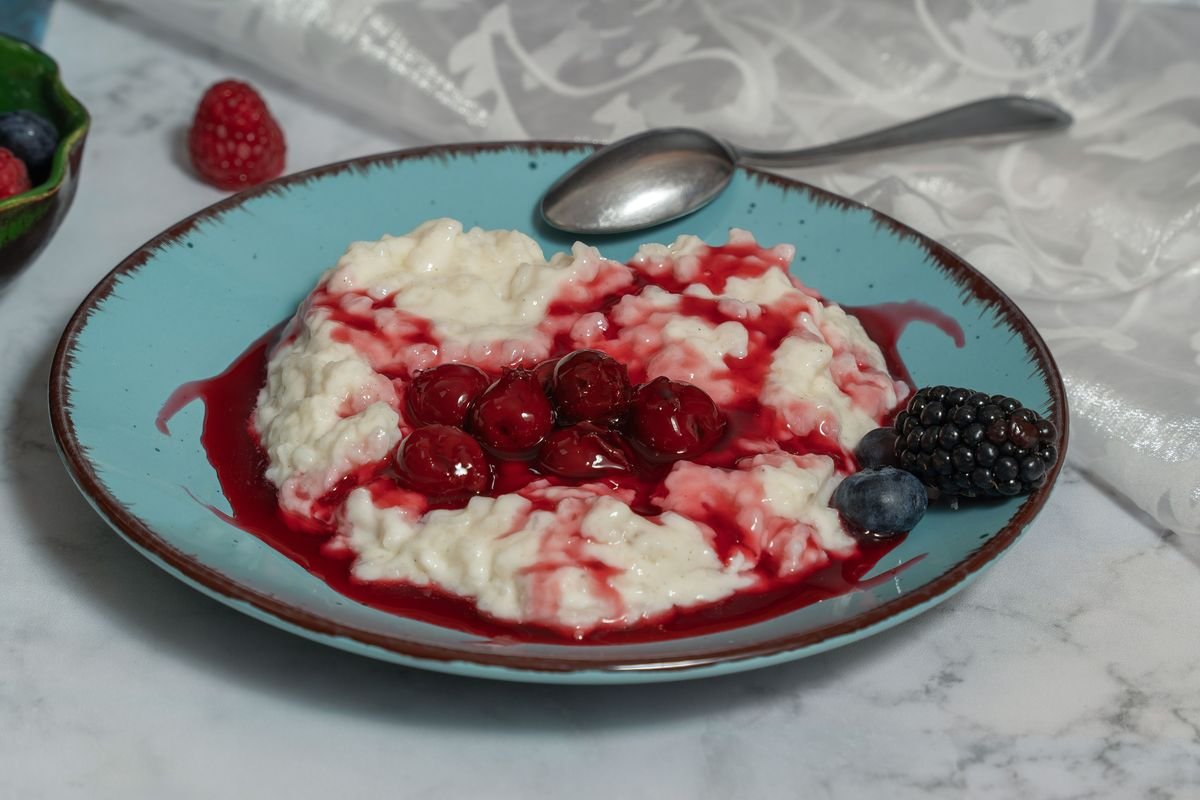
Many dog owners wonder if they can share a spoonful of rice pudding with their furry friend. After all, rice is a common ingredient in dog food, and pudding seems like a harmless treat. But the truth is that rice pudding is not safe for dogs and should be avoided.
The problem lies in the other ingredients. Most rice pudding recipes include milk, sugar, butter, and sometimes spices or raisins. These can cause digestive upset, allergic reactions, or even toxicity in dogs. Let’s explore the specific dangers and healthier alternatives.
Understanding Rice Pudding Ingredients
Rice pudding typically contains cooked rice, milk, sugar, butter, vanilla, and spices like cinnamon or nutmeg. Some versions include raisins, which are highly toxic to dogs. Commercial rice pudding may also contain preservatives or artificial sweeteners like xylitol.
Each of these ingredients poses a potential risk to your dog’s health.
Dairy Products
Most dogs are lactose intolerant. After puppyhood, they lose the enzyme lactase, which breaks down lactose in milk. Feeding dairy can lead to gas, bloating, diarrhea, and vomiting. Rice pudding is made with whole milk and butter, both high in lactose and fat.
Sugar and Artificial Sweeteners
Sugar is empty calories for dogs and can contribute to obesity, diabetes, and dental problems. Some sugar-free rice puddings use xylitol, an artificial sweetener that is extremely toxic to dogs. Even a small amount of xylitol can cause a rapid drop in blood sugar, seizures, liver failure, or death.
Raisins
Raisins are a well-known toxin for dogs. Even a small handful can cause acute kidney failure. If your rice pudding contains raisins, it is an absolute no-go. Symptoms of raisin poisoning include vomiting, lethargy, and decreased urine production.
Spices
Cinnamon and nutmeg are common in rice pudding. Cinnamon in large amounts can irritate the mouth and digestive tract. Nutmeg contains myristicin, which can cause hallucinations, increased heart rate, and seizures in dogs. While a small pinch may not be lethal, it’s best to avoid it entirely.
The Dangers of Dairy for Dogs
Even if your dog tolerates small amounts of cheese or yogurt, rice pudding’s high dairy content is a different story. The combination of milk and butter creates a high-fat, high-lactose treat that can overwhelm your dog’s digestive system.
Signs of dairy intolerance include diarrhea, vomiting, and stomach pain. If your dog has a sensitive stomach, even a few licks can cause distress. Persistent diarrhea can lead to dehydration, especially in small breeds or puppies.
Sugar and Artificial Sweeteners
Sugar is not toxic, but it’s unhealthy. Regular consumption can lead to weight gain, diabetes, and dental decay. Xylitol, however, is a medical emergency. Check ingredient labels carefully. If a product is labeled sugar-free or low sugar, it may contain xylitol.
Symptoms of xylitol poisoning appear within 30 minutes: vomiting, weakness, staggering, and seizures. Immediate veterinary care is critical.
Potential Allergens and Spices
Some dogs are allergic to grains, though rice is usually safe. However, the spices and additives in rice pudding can trigger allergic reactions. Nutmeg is the most dangerous spice here. A moderate amount (as little as 1 teaspoon for a small dog) can cause tremors and disorientation.
Raisins are not a spice but a dried fruit that is highly toxic. Always assume raisin-containing rice pudding is poisonous.
Can Dogs Eat Plain Rice?
Yes, plain cooked rice is often recommended for dogs with upset stomachs. White rice is easy to digest and can help bind stools. Brown rice offers more fiber but can be harder to digest.
Plain rice, however, is completely different from rice pudding. Rice pudding adds ingredients that make it unsafe. If you want to give your dog rice, offer a small portion of plain, unseasoned rice mixed with their regular food.
When Plain Rice Is Beneficial
Veterinarians often suggest a bland diet of boiled chicken and white rice for dogs with diarrhea or vomiting. This gives the digestive system a break. The rice should be cooked without salt, butter, or any seasoning.
Safe Alternatives to Rice Pudding
If you want to treat your dog to something creamy and rice-based, try these dog-safe options:
Plain rice with a spoonful of plain, unsweetened yogurt. Yogurt has less lactose than milk and contains probiotics that aid digestion.
Pumpkin puree mixed with rice. Pumpkin is great for digestion and low in calories.
Mashed banana with rice. Banana is a healthy source of potassium and fiber.
Dog-specific frozen treats made from pureed fruits and plain yogurt.
What To Do If Your Dog Eats Rice Pudding
If your dog sneaks a few licks of rice pudding, do not panic. Assess the ingredients. If it contains raisins, xylitol, or a large amount of nutmeg, contact your veterinarian immediately.
For small amounts of plain dairy and sugar, watch for signs of digestive upset. Offer plenty of fresh water and skip the next meal to give the stomach a rest. If symptoms like diarrhea or vomiting persist beyond 24 hours, or if your dog seems lethargic, seek veterinary advice.
Conclusion
Rice pudding is not a safe treat for dogs. The combination of dairy, sugar, spices, and potential toxins like raisins or xylitol makes it a risk. Stick to plain rice or dog-friendly alternatives when you want to share a snack. Always check ingredient labels and consult your vet if you have any doubts. Your dog’s health is worth more than a sweet reward.