
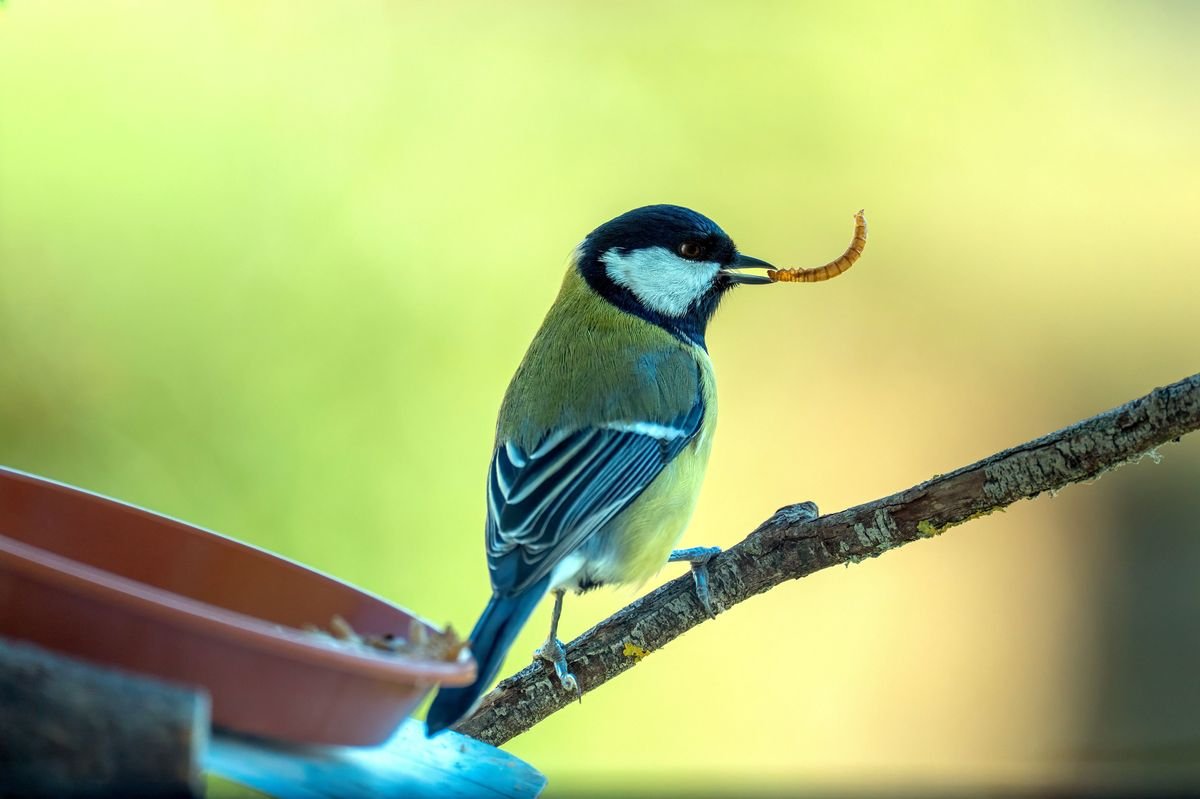
Mealworms are becoming a popular alternative protein source for pets, especially as more owners look for sustainable and hypoallergenic options. But can dogs eat mealworms? The short answer is yes, dogs can eat mealworms, but there are important factors to consider regarding preparation, quantity, and sourcing.
Mealworms are high in protein, healthy fats, and essential nutrients. However, not all mealworms are created equal, and improper feeding can lead to digestive upset or more serious health issues. This article explores the nutritional profile of mealworms, their potential benefits and risks, and how to safely incorporate them into your dog’s diet.
Nutritional Profile of Mealworms for Dogs
Mealworms are the larval form of the darkling beetle and are packed with nutrients that can complement a dog’s diet. They are particularly rich in protein, making them an excellent choice for active dogs or those needing extra muscle support.
High Protein Content
Dogs are omnivores with a biological need for protein. Mealworms contain approximately 50-60% protein by dry weight, which is comparable to chicken or beef. This protein supports muscle maintenance, immune function, and healthy skin and coat.
Healthy Fats and Fiber
Mealworms also provide healthy unsaturated fats, including omega-3 and omega-6 fatty acids, which promote heart health and reduce inflammation. Additionally, they contain chitin, a type of fiber found in insect exoskeletons. While chitin can aid digestion in small amounts, too much may be hard for some dogs to process.
Vitamins and Minerals
These insects are a good source of Vitamin B12, iron, zinc, and magnesium. Vitamin B12 supports nerve function and red blood cell formation, while zinc boosts immunity. Mealworms also contain calcium, but the calcium-to-phosphorus ratio is not ideal for dogs if fed as a staple, so they should be used as a treat rather than a primary food.
Health Benefits of Feeding Mealworms to Dogs
Beyond basic nutrition, mealworms offer specific advantages that may benefit certain dogs, especially those with dietary restrictions or environmental concerns.
Alternative Protein Source for Allergies
Many dogs develop allergies to common proteins like chicken, beef, or soy. Mealworms are a novel protein, meaning dogs are less likely to be allergic to them. For dogs with food sensitivities, mealworms can be a safe and nutritious alternative to traditional meats.
Sustainable and Eco-Friendly
Raising mealworms requires far less land, water, and feed than livestock. If you are environmentally conscious, feeding your dog mealworms can reduce their ecological paw print. It is a trend that aligns with sustainability without compromising nutrition.
Potential Risks and Precautions
While mealworms are generally safe, there are some risks every dog owner should understand before adding them to the bowl.
Choking Hazard and Digestive Issues
Whole, dried mealworms can be a choking hazard, especially for small dogs. They are also hard and may cause gastrointestinal irritation if eaten in large quantities. Always supervise your dog when they are eating any treat, and consider crushing the mealworms or buying them as a powder or paste.
Allergic Reactions
Although rare, some dogs may be allergic to mealworms. Signs include itching, swelling, vomiting, or diarrhea. If you are feeding mealworms for the first time, start with a tiny amount and watch for adverse reactions over 24 hours.
Sourcing and Quality Concerns
Not all mealworms are fit for canine consumption. Wild-caught mealworms may carry parasites or pesticide residues. Only purchase mealworms from reputable suppliers that market them as pet food. Avoid mealworms intended for bird feed, as they may contain additives or not be processed hygienically.
How to Safely Feed Mealworms to Your Dog
If you decide to add mealworms to your dog’s diet, follow these guidelines to ensure safety and palatability.
Cooked vs. Raw
Always cook mealworms before feeding them to your dog. Roasting or boiling kills potential bacteria and neutralizes any anti-nutrient factors. Raw mealworms can carry pathogens and their hard exoskeleton may be harder to digest. Dried mealworms from a pet store are also safe as long as they are labelled for pets and not treated with chemicals.
Appropriate Serving Size
Treats of any kind should not exceed 10% of your dog’s daily caloric intake. For a medium-sized dog, a few teaspoons of dried mealworms a day is plenty. Start with a small amount (e.g., 1-2 mealworms for a small dog) and gradually increase if no issues arise.
Incorporating into Diet
You can mix mealworms into your dog’s regular kibble as a topper, use them in homemade dog treats, or offer them as a standalone reward. Some dogs enjoy the crunchy texture. If your dog is a picky eater, grinding mealworms into a powder and sprinkling over food can boost nutrition without changing the flavor too much.
Frequently Asked Questions About Mealworms for Dogs
Here are answers to common questions dog owners have about feeding mealworms.
Can dogs eat dried mealworms?
Yes, dried mealworms are a convenient option. They are shelf-stable and often more palatable. Just ensure they are unsalted and free of seasoning or preservatives. Rehydrate them in water before feeding to reduce the risk of choking, especially for small dogs.
Are mealworms better than traditional protein sources?
Not necessarily better, but they are a valid alternative. For dogs with allergies or owners seeking sustainable options, mealworms can be an excellent supplement. However, they should not replace a balanced diet formulated by a veterinary nutritionist. Variety is key.
Conclusion
Mealworms can be a safe, nutritious, and eco-friendly treat for dogs when introduced properly. They offer high-quality protein, healthy fats, and essential vitamins, and they may benefit dogs with food allergies. However, always cook or purchase pet-safe dried mealworms, start with small amounts, and monitor your dog for any negative reactions. As with any dietary change, consult your veterinarian before making mealworms a regular part of your dog’s meals. With the right precautions, mealworms can be a crunchy, healthy addition to your dog’s treat rotation.