
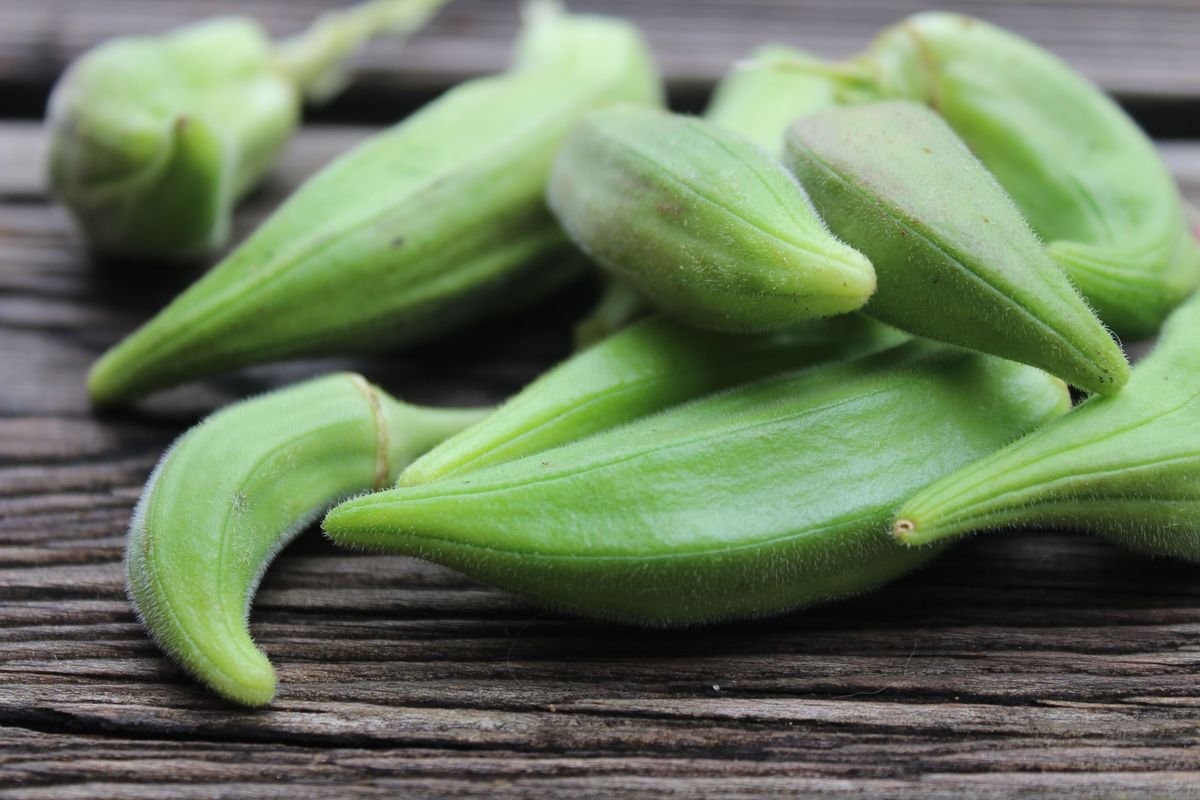
Yes, dogs can eat okra in moderation. This green vegetable is packed with vitamins, minerals, and fiber, making it a healthy occasional treat for most dogs. However, there are important safety precautions to keep in mind.
Okra must be prepared properly before feeding to your dog. It should be plain, cooked, and cut into small pieces to avoid choking hazards. Seasonings, oils, and pickling methods can turn this nutritious snack into a dangerous one. This article explores the benefits, risks, and best practices for feeding okra to your dog.
Nutritional Benefits of Okra for Dogs
Okra is low in calories and rich in essential nutrients that can support your dog’s health. It contains vitamins C, B6, and K, as well as magnesium, folate, and dietary fiber. Vitamin C acts as an antioxidant, helping to reduce inflammation and support immune function. Vitamin B6 is important for brain development and energy metabolism. Vitamin K plays a role in blood clotting and bone health.
The fiber in okra can aid digestion and promote regular bowel movements, which may be helpful for dogs with mild constipation. However, too much fiber can cause digestive upset, so moderation is key. Okra also contains small amounts of protein and healthy carbohydrates, though dogs primarily need protein and fats from animal sources.
Potential Risks of Feeding Okra to Dogs
While okra is generally safe, there are several risks to consider before adding it to your dog’s diet.
Choking Hazard
Whole okra pods, especially raw ones, can be a choking hazard, particularly for small dogs or dogs that gulp their food. The seeds inside the pod can also be a problem. Always cut okra into small, bite-sized pieces before feeding.
Digestive Issues
Okra’s high fiber content can cause gas, bloating, or diarrhea if your dog eats too much. Introduce okra gradually and in small amounts to see how your dog’s stomach handles it. Some dogs may also react to the natural mucilage (the slimy texture) with loose stools.
Oxalates
Okra contains oxalates, which can contribute to the formation of calcium oxalate kidney stones in dogs that are prone to them. If your dog has a history of urinary issues or kidney stones, consult your veterinarian before feeding okra. For healthy dogs, the occasional small amount is unlikely to cause problems.
Sodium and Seasonings
Never feed your dog okra that has been fried, salted, seasoned, or pickled. High sodium can lead to salt toxicity, and spices like garlic and onion powder are toxic to dogs. Stick to plain, cooked okra with no additives.
How to Safely Prepare Okra for Your Dog
Follow these steps to make okra a safe and enjoyable treat for your dog.
Choose Fresh Okra
Select fresh, firm okra pods. Organic options are best to minimize pesticide exposure. Avoid okra that is limp, slimy, or moldy.
Wash Thoroughly
Rinse the okra under cool running water to remove dirt and any residual pesticides.
Cook Without Seasonings
Boiling, steaming, or baking okra without oil, salt, or spices is best. Cooking softens the texture, making it easier to digest and reducing the choking risk. Do not add any seasonings, especially those containing garlic or onion.
Cut Into Small Pieces
After cooking, let the okra cool and then cut it into small, manageable pieces. For small dogs, chop into pea-sized bits. For larger dogs, you can serve slightly bigger pieces but still ensure they are not whole pods.
Remove the Stem and Tip
The stem and the very tip of the okra pod can be tough and difficult to digest. Trim them off before cooking or serving.
How Much Okra Can Dogs Eat?
Okra should be an occasional treat, not a dietary staple. Treats should make up no more than 10% of your dog’s daily caloric intake. For a small dog (under 20 pounds), start with one or two small pieces a few times per week. For medium to large dogs, you can offer up to one whole cooked pod (cut into pieces) a few times per week. Monitor your dog for any signs of digestive upset after the first serving and adjust accordingly.
Alternatives to Okra for Dogs
If you prefer not to feed okra, there are many other safe vegetables your dog might enjoy. Green beans, carrots, cucumber, zucchini, and pumpkin are all low-calorie, nutrient-rich options. Always prepare them plain and in appropriate sizes. Remember that vegetables should supplement a balanced diet, not replace high-quality dog food.
Frequently Asked Questions About Dogs and Okra
Can dogs eat raw okra?
It is not recommended. Raw okra is tough and can be a choking hazard. It also contains compounds that may be harder to digest. Cooking softens the okra and makes it safer.
Can dogs eat pickled okra?
No. Pickled okra is high in salt, vinegar, and often spices like garlic and dill. These ingredients can be harmful to dogs, causing salt toxicity or digestive irritation.
Can dogs eat okra leaves?
No. Okra leaves are not safe for dogs and may be toxic if consumed in large amounts. Stick to the pods only.
Is the sliminess of okra bad for dogs?
The slime (mucilage) is not harmful, but some dogs may dislike the texture. Cooking can reduce the sliminess. If your dog refuses it, don’t force it.